تنبيه مزاولي أنشطة المعادن الثمينة بخطوات التعامل مع الدول «مرتفعة المخاطر»

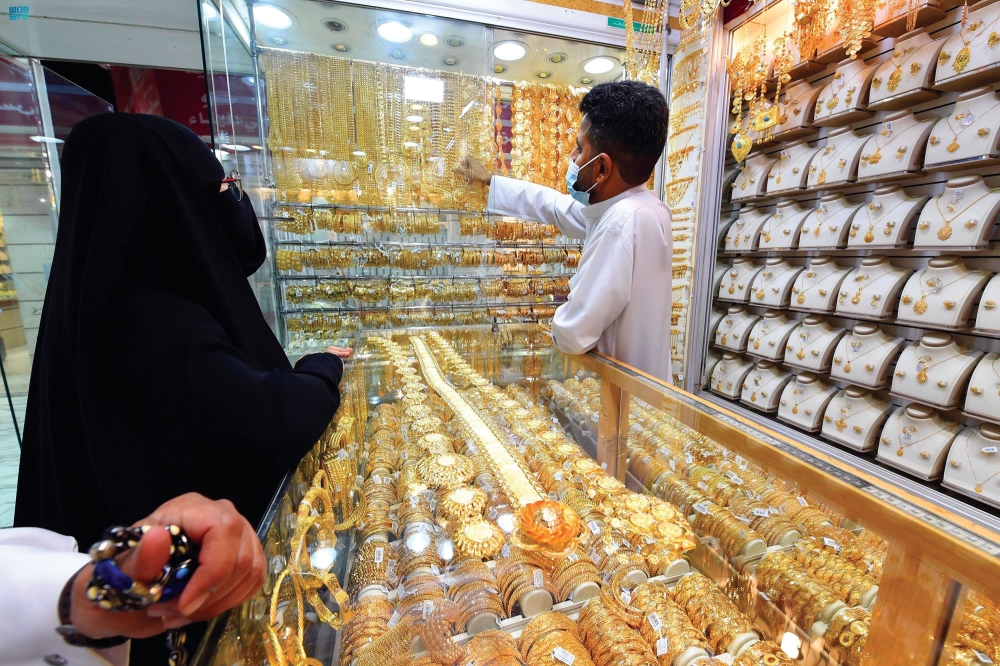
نبّهت وزارة التجارة مزاولي نشاط تجارة المعادن الثمينة والأحجار الكريمة إلى اتخاذ إجراءات لضمان توافق التدابير الرقابية وإجراءات العناية الواجبة المعززة مع أحدث القوائم الصادرة عن مجموعة العمل المالي (فاتف).وأطلعت «عكاظ» على تعميم إلى اتحاد الغرف السعودية، يؤكد على مزاولي النشاط باتخاذ ما يلزم من إجراءات عند إقامة العلاقة أو استمرار علاقات الأعمال أو تنفيذ المعاملات مع العملاء أو الأطراف المرتبطة بهذه الدول بما يتناسب مع مستوى المخاطر للدولة.وأكد التعميم أن مجموعة العمل المالي (فاتف) تعمل على تحد…
دعت وزارة التجارة العاملين في قطاع تجارة المعادن الثمينة والأحجار الكريمة إلى تطبيق إجراءات رقابية مشددة تتماشى مع قوائم مجموعة العمل المالي (فاتف) المحدثة، لضمان الامتثال للمعايير الدولية.
وتأتي هذه التوجيهات في إطار جهود المملكة لتعزيز نظام مكافحة غسل الأموال وتمويل الإرهاب، تماشياً مع التوصيات الدولية الصادرة عن مجموعة العمل المالي.
وأفاد تعميم حصلت عليه «عكاظ» من اتحاد الغرف السعودية بأنه يتوجب على مزاولي النشاط اتخاذ الإجراءات اللازمة عند بدء أو استمرار العلاقات التجارية أو إجراء المعاملات مع عملاء أو أطراف مرتبطة بتلك الدول، بما يتناسب مع درجة المخاطر المصنفة لكل دولة.
وأكد التعميم أن مجموعة العمل المالي (فاتف) تعمل على تحديث القوائم الخاصة بالدول التي تعاني من أوجه قصور إستراتيجية في منظومة مكافحة غسل الأموال وتمويل الإرهاب وتمويل انتشار التسلح بشكل دوري ثلاث مرات سنويًا. ويتعين على كافة الجهات المبلغة، بما في ذلك مزاولي نشاط تجارة المعادن الثمينة والأحجار الكريمة متابعة التحديثات للمجموعة، وطالبت التوجيهات بتطبيق إجراءات تدابير العناية الواجبة المعززة على عملاء تلك الدول.
وتفرض وزارة التجارة واتحاد الغرف السعودية على تجار المعادن الثمينة والأحجار الكريمة الالتزام بإجراءات «العناية الواجبة المعززة» لدى التعامل مع عملاء ينتمون إلى دول تصنف ضمن فئة المخاطر العالية.
تصنيف الدول مرتفعة المخاطر
تصنف الدول مرتفعة المخاطر إلى فئتين رئيسيتين: الدول الخاضعة لدعوة لاتخاذ إجراءات مضادة (القائمة السوداء)، وتعاني هذه الدول من قصور استراتيجي كبير في أنظمة مكافحة غسل الأموال وتمويل الإرهاب، وتشمل إيران وكوريا الشمالية وميانمار. وتتضمن القائمة الرمادية الدول الخاضعة للمراقبة المشددة، وهي الدول التي التزمت سياسياً بمعالجة أوجه القصور في أنظمتها، وتتطلب تعاملات عملائها تطبيق تدابير عناية مشددة. وتضم القائمة أنغولا، بوليفيا، البوسنة والهرسك، بلغاريا، الكاميرون، ساحل العاج، جمهورية الكونغو الديمقراطية، هايتي، العراق، كينيا، الكويت، لاوس، لبنان، موناكو، ناميبيا، نيبال، بابوا غينيا الجديدة، جنوب السودان، سوريا، فنزويلا، فيتنام، جزر العذراء البريطانية، واليمن.
أهداف مجموعة (فاتف)
وتهدف المجموعة إلى وضع المعايير العالمية ومكافحة غسل الأموال، وكذلك تمويل الإرهاب، إضافة إلى مكافحة انتشار أسلحة الدمار الشامل، إذ تعتبر الدستور العالمي لمكافحة الجرائم المالية، من خلال التوصيات التي تتعلق بتجريم غسل الأموال وتمويل الإرهاب.
The Ministry of Commerce has alerted practitioners in the trade of precious metals and gemstones to take measures to ensure that regulatory measures and enhanced due diligence procedures are in line with the latest lists issued by the Financial Action Task Force (FATF).
“Okaz” was informed of a circular to the Saudi Chambers of Commerce, emphasizing that practitioners in the activity must take the necessary measures when establishing relationships or continuing business relationships or conducting transactions with clients or parties linked to these countries, in accordance with the risk level of the country.
The circular confirmed that the Financial Action Task Force (FATF) is updating the lists of countries that suffer from significant strategic deficiencies in their anti-money laundering and counter-terrorism financing systems and the financing of the proliferation of weapons periodically three times a year. All reporting entities, including practitioners in the trade of precious metals and gemstones, must follow the updates from the group, and the directives called for the application of enhanced due diligence measures on clients from those countries.
The Ministry of Commerce and the Saudi Chambers of Commerce require practitioners in the trade of precious metals and gemstones to apply “enhanced due diligence” procedures when dealing with clients from high-risk countries.
Classification of High-Risk Countries
High-risk countries are classified into two main categories: countries subject to a call for countermeasures (the blacklist), which suffer from significant strategic deficiencies in anti-money laundering and counter-terrorism financing systems, including Iran, North Korea, and Myanmar. The gray list includes countries under increased monitoring, which are countries that have politically committed to addressing deficiencies in their systems, and require their clients' transactions to apply enhanced due diligence measures. The list includes Angola, Bolivia, Bosnia and Herzegovina, Bulgaria, Cameroon, Ivory Coast, the Democratic Republic of the Congo, Haiti, Iraq, Kenya, Kuwait, Laos, Lebanon, Monaco, Namibia, Nepal, Papua New Guinea, South Sudan, Syria, Venezuela, Vietnam, the British Virgin Islands, and Yemen.
Objectives of the FATF
The group aims to set global standards and combat money laundering, as well as terrorism financing, in addition to combating the proliferation of weapons of mass destruction, as it is considered the global constitution for combating financial crimes, through recommendations related to criminalizing money laundering and terrorism financing.
ويؤدي تصنيف الدول إلى التزامات إضافية على القطاع الخاص، خاصة في مجالات تجارة المعادن الثمينة التي قد تكون عرضة لاستغلالها في عمليات غير مشروعة. ومن المتوقع أن تسهم هذه الإجراءات في تعزيز الشفافية والثقة في القطاع، مع استمرار تحديث القوائم بشكل دوري من قبل «فاتف» ثلاث مرات سنوياً.
المصدر الأصلي: عكاظ

التعليقات (0)
كن أول من يعلّق.