توصية بتوجيه التوعية المالية للانحيازات الأكثر تأثيراً على المستثمرين في «تداول»

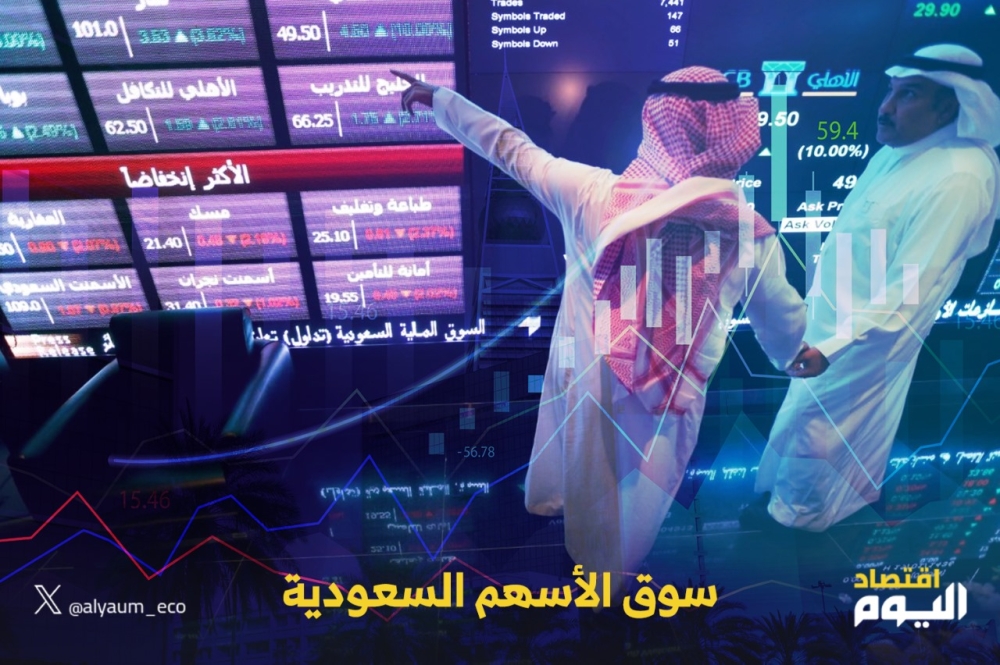
كشفت دراسة أكاديمية حديثة شملت 598 مستثمراً فردياً نشطاً في سوق الأسهم السعودية «تداول» أن الانحيازات النفسية فسرت 55.7% من التباين في القرارات الاستثمارية.
في دراسة محكّمة نشرتها مجلة المخاطر والإدارة المالية الدولية، تناول الباحثون موضوع «الانحيازات السلوكية واتخاذ القرار لدى المستثمرين في سوق الأسهم السعودية»، معتمدين على استبانة كمية مقطعية، ثم حللوا النتائج باستخدام نمذجة المعادلات الهيكلية.
تأتي هذه الدراسة ضمن الاهتمام المتزايد بالتمويل السلوكي ودوره في فهم سلوك المستثمرين في الأسواق الناشئة، مثل السوق السعودي.
تعزيز دور السوق
وأوصت النتائج بتركيز برامج التوعية المالية على الانحيازات الأكثر تأثيراً، لا سيما النفور من الخسارة، بديلاً عن التثقيف الاستثماري العام، مع تعزيز دور هيئة السوق المالية والمؤسسات المالية والمستشارين في مساعدة المستثمر على التمييز بين القرار القائم على التحليل والقرار العاطفي.
وتدعم الدراسة تبني خطط استثمار مكتوبة، وتنويع المحافظ، ومراجعة أسباب البيع والشراء قبل التنفيذ، والحد من ملاحقة تحركات الآخرين، خصوصاً في أوقات التقلب، إذ إن المستثمر قد يحتفظ بسهم خاسر طويلاً خوفاً من الاعتراف بالخسارة، أو يشتري بعد الارتفاع تحت تأثير القطيع والثقة الزائدة.
4 انحيازات
واختبرت الدراسة أربعة انحيازات رئيسية: النفور من الخسارة، وسلوك القطيع، والثقة المفرطة، والتثبيت على أسعار أو معلومات سابقة.
وأظهرت النتائج أن ثلاثة من الانحيازات الأربعة – أي ما نسبته 75% من العوامل المختبرة مباشرة – ترتبط إحصائياً بالقرار الاستثماري، فيما فقد التثبيت أثره المستقل عند إدخال بقية العوامل في النموذج.
وتصدر النفور من الخسارة قائمة المؤثرات بمعامل معياري بلغ 0.402 وحجم أثر 0.188، تلاه سلوك القطيع بمعامل 0.234، ثم الثقة المفرطة بمعامل 0.164. وتعني هذه القيم أن تجنب الخسارة كان العامل السلوكي الأقوى ارتباطاً بالقرار، ولا تعني أن 40.2% من المستثمرين يعانون هذا الانحياز؛ فهي معاملات تأثير إحصائية وليست نسب انتشار.
وبالمقارنة الحسابية، جاء معامل تأثير النفور من الخسارة أعلى من سلوك القطيع بنحو 72%، وأعلى من الثقة المفرطة بنحو 145%، ما يعكس ثقل حماية رأس المال والخوف من تراجع القيمة في سلوك المستثمر الفرد داخل السوق.
A recent academic study involving 598 active individual investors in the Saudi stock market "Tadawul" revealed that psychological biases explained 55.7% of the variance in investment decisions.
The study, published in the International Journal of Risk and Financial Management, titled "Behavioral Biases and Decision Making Among Investors in the Saudi Stock Market," relied on a quantitative cross-sectional survey, and the researchers analyzed the results using structural equation modeling.
Enhancing the Role of the Market
The results of the study recommended directing financial awareness programs towards the most impactful biases, primarily loss aversion, instead of merely focusing on general investment education, while enhancing the role of the Capital Market Authority, financial institutions, and advisors in helping investors distinguish between decisions based on analysis and those driven by emotions.
The study supports adopting written investment plans, diversifying portfolios, reviewing reasons for buying and selling before execution, and minimizing the pursuit of others' movements, especially during times of volatility, as investors may hold onto losing stocks for too long out of fear of admitting a loss, or buy after a rise under the influence of herd behavior and overconfidence.
4 Biases
The study tested four main biases: loss aversion, herd behavior, overconfidence, and anchoring on previous prices or information.
Three of the four biases, or 75% of the tested factors, showed a statistically significant correlation with investment decisions, while anchoring lost its independent effect when the other factors were included in the model.
Loss aversion topped the list of influences with a standardized coefficient of 0.402 and an effect size of 0.188, followed by herd behavior with a coefficient of 0.234, and then overconfidence with a coefficient of 0.164. These values indicate that avoiding losses was the behavioral factor most strongly associated with the decision, and do not mean that 40.2% of investors suffer from this bias; they are statistical effect coefficients, not prevalence rates.
In a comparative calculation, the effect coefficient of loss aversion was about 72% higher than that of herd behavior and about 145% higher than that of overconfidence, reflecting the weight of capital protection and fear of value decline in the behavior of individual investors within the market.
وتؤكد النتائج أهمية تصميم برامج توعية مالية تستهدف تحيز النفور من الخسارة، باعتباره الأكثر تأثيراً. كما تبرز الحاجة إلى دعم المستثمرين بخطط استثمارية مكتوبة وتنويع المحافظ. ويمكن لهذه التوصيات أن تحسن جودة القرارات الاستثمارية وتحد من تأثير المشاعر في الأسواق.
المصدر الأصلي: عكاظ



التعليقات (0)
كن أول من يعلّق.