تفشٍ مقلق لـ«إيبولا».. أكثر من ألفي إصابة ومئات الوفيات في الكونغو
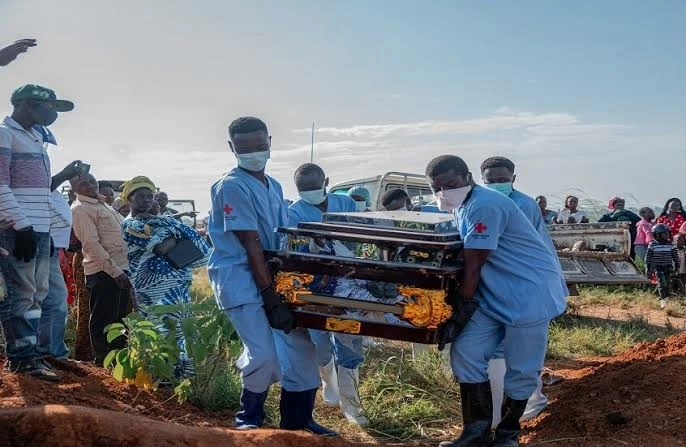
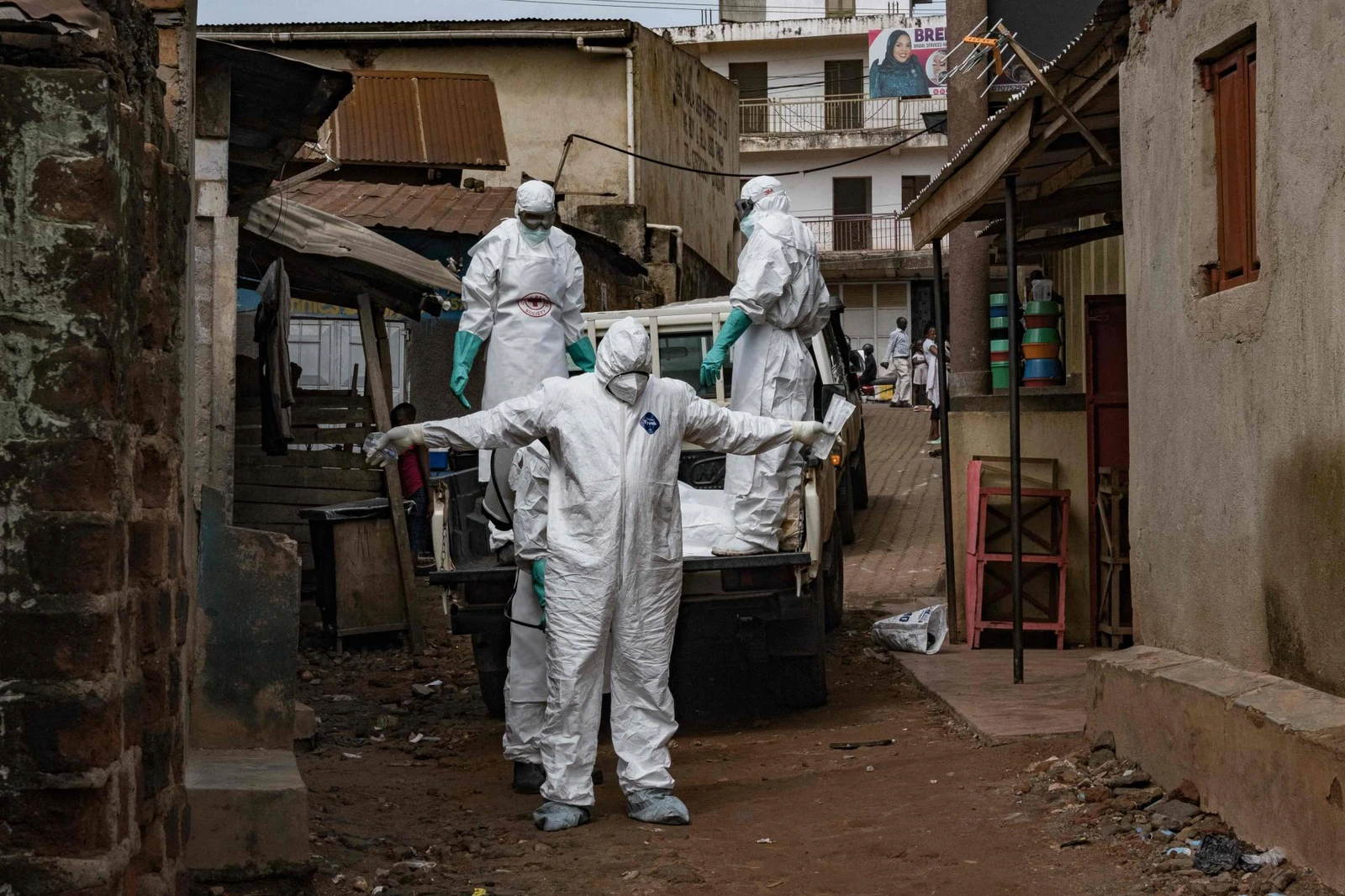
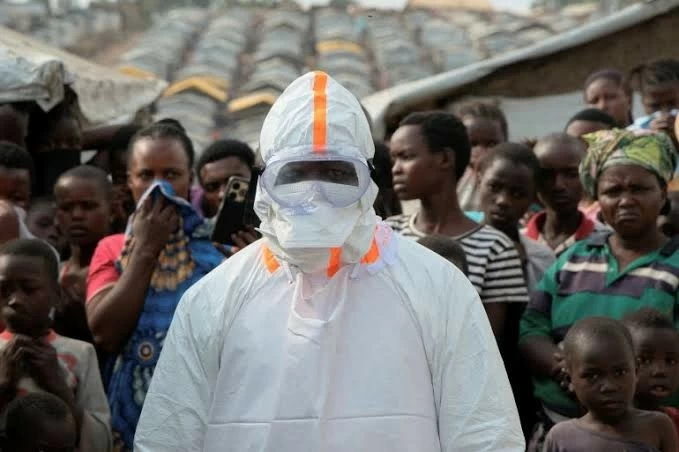
أعلنت وزارة الصحة في جمهورية الكونغو الديمقراطية ارتفاع حصيلة الإصابات المؤكدة بفايروس إيبولا إلى 2011 حالة، بينها 754 وفاة، في أحدث مؤشر على استمرار تفشي المرض بوتيرة متسارعة، وسط تحذيرات من صعوبة احتواء سلاسل انتقال العدوى.وأوضحت الوزارة، في بيانات رسمية، أن 753 مصاباً لا يزالون يخضعون للعزل أو يتلقون العلاج داخل المستشفيات، فيما تمكن 366 شخصاً من التعافي حتى الآن. ووصفت السلطات الصحية الحالية بأنها أسرع موجة تفشٍ لفايروس إيبولا تشهدها البلاد على الإطلاق.وأشارت الحكومة الكونغولية إلى أن جهود ا…
كشفت وزارة الصحة في جمهورية الكونغو الديمقراطية عن بلوغ عدد الإصابات المؤكدة بفايروس إيبولا 2011 حالة، شملت 754 وفاة، مما يؤكد تسارع وتيرة تفشي المرض وسط تحذيرات من تعقيد احتواء سلسلة العدوى.
وتعد جمهورية الكونغو الديمقراطية بؤرة تاريخية لتفشي فايروس إيبولا، حيث شهدت عدة موجات من المرض منذ سبعينيات القرن الماضي.
وأوضحت الوزارة، في بيانات رسمية، أن 753 مصاباً لا يزالون يخضعون للعزل أو يتلقون العلاج داخل المستشفيات، فيما تمكن 366 شخصاً من التعافي حتى الآن. ووصفت السلطات الصحية الحالية بأنها أسرع موجة تفشٍ لفايروس إيبولا تشهدها البلاد على الإطلاق.
ولفتت الحكومة الكونغولية إلى أن جهود السيطرة على الوباء تصطدم بعقبات جسيمة، أبرزها صعوبة تعقب المخالطين، حيث لا تزيد نسبة تغطية من خالطوا المصابين عن 67%، مما يرفع احتمالات استمرار انتشار الفيروس، لا سيما مع ظهور سلالة «بونديبوجيو» النادرة منذ منتصف مايو الماضي.
بدورها، حذرت منظمة الصحة العالمية من استمرار القلق إزاء الوضع الوبائي، مشيرة إلى أن 80% على الأقل من الإصابات الجديدة تنبع من سلاسل عدوى مجهولة، مما يعقد جهود الفرق الصحية ويقلص فعالية الاحتواء.
ويعد فايروس إيبولا من أخطر الأمراض الفايروسية المعروفة، إذ يسبب حمى نزفية شديدة، وتنتقل العدوى عبر الملامسة المباشرة لدم أو سوائل جسم الشخص المصاب أو المتوفى، كما يمكن أن تنتقل من خلال الأدوات والأسطح الملوثة. وتراوح فترة حضانة الفايروس بين يومين و21 يوماً، وتشمل أعراضه الحمى الشديدة، والصداع، وآلام العضلات، ثم قد تتطور إلى نزيف داخلي وخارجي في الحالات المتقدمة.
وتعد جمهورية الكونغو الديمقراطية من أكثر الدول تعرضاً لتفشي فايروس إيبولا خلال العقود الأخيرة، بسبب وجود الفايروس بصورة متكررة في بعض المناطق، إلى جانب التحديات المرتبطة بالبنية الصحية وصعوبة الوصول إلى المجتمعات النائية.
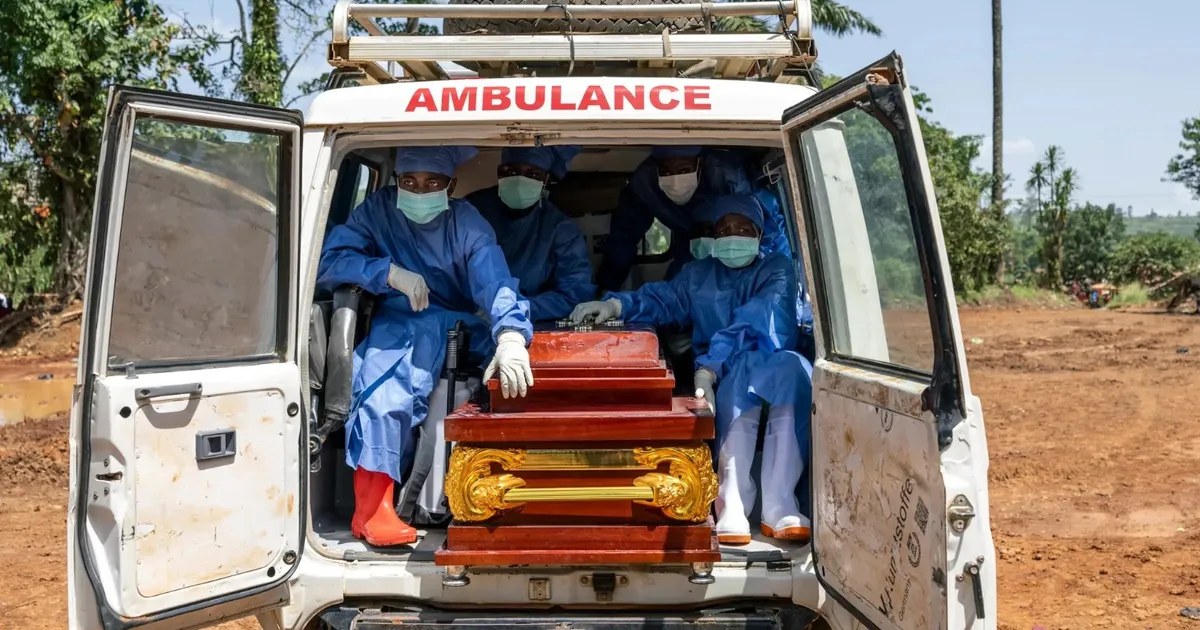
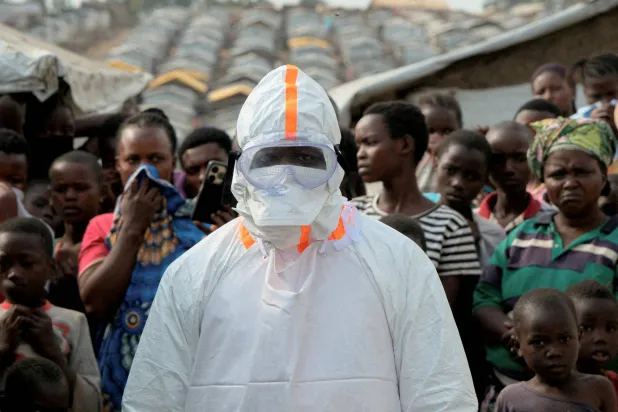
وتدفع تلك الظروف الصعبة السلطات الصحية، بالتعاون مع منظمة الصحة العالمية وشركائها الدوليين، إلى تكثيف حملات التقصي الوبائي، وتتبع المخالطين، وتقديم اللقاحات والعلاجات للحد من انتشار المرض.
The Ministry of Health in the Democratic Republic of the Congo announced that the number of confirmed cases of the Ebola virus has risen to 2011, including 754 deaths, in the latest indication of the continued rapid spread of the disease, amid warnings about the difficulty of containing the chains of transmission.
The ministry clarified, in official statements, that 753 infected individuals are still under isolation or receiving treatment in hospitals, while 366 people have managed to recover so far. The current health authorities described this as the fastest wave of Ebola virus outbreak the country has ever experienced.
The Congolese government pointed out that efforts to contain the epidemic face significant challenges, the most notable of which is the difficulty in tracking contacts, as the coverage rate of individuals exposed to the infection does not exceed 67%, which increases the likelihood of continued virus spread, especially with the outbreak of the rare "Bundibugyo" strain since mid-May.
For its part, the World Health Organization warned that the epidemiological situation remains concerning, confirming that at least 80% of new infections arise from unknown chains of transmission, complicating the efforts of health response teams and limiting the effectiveness of containment operations.
The Ebola virus is considered one of the most dangerous known viral diseases, causing severe hemorrhagic fever, and the infection is transmitted through direct contact with the blood or body fluids of an infected or deceased person, and it can also be transmitted through contaminated tools and surfaces. The incubation period of the virus ranges from two to 21 days, and its symptoms include severe fever, headache, and muscle pain, which may then develop into internal and external bleeding in advanced cases.
The Democratic Republic of the Congo is one of the countries most affected by Ebola virus outbreaks in recent decades, due to the virus's recurrent presence in certain areas, along with challenges related to health infrastructure and difficulty accessing remote communities.
These difficult conditions prompt health authorities, in collaboration with the World Health Organization and their international partners, to intensify epidemiological investigation campaigns, track contacts, and provide vaccinations and treatments to curb the spread of the disease.
تبرز الحاجة إلى تعزيز التنسيق الدولي لمواجهة التفشي، مع التركيز على تحسين تتبع المخالطين ورفع نسبة التغطية الصحية في المناطق المتضررة. وفي ظل استمرار ظهور سلالات جديدة مثل بونديبوجيو، يظل تطوير اللقاحات وتطعيم الفئات الأكثر عرضة أولوية قصوى. كما أن ضعف البنية الصحية في المناطق النائية يعرقل جهود الاستجابة السريعة.
المصدر الأصلي: عكاظ

التعليقات (0)
كن أول من يعلّق.