النظام الغذائي المتوسطي.. ترياق لامتصاص صدمات الأزمات وضغوط الحياة
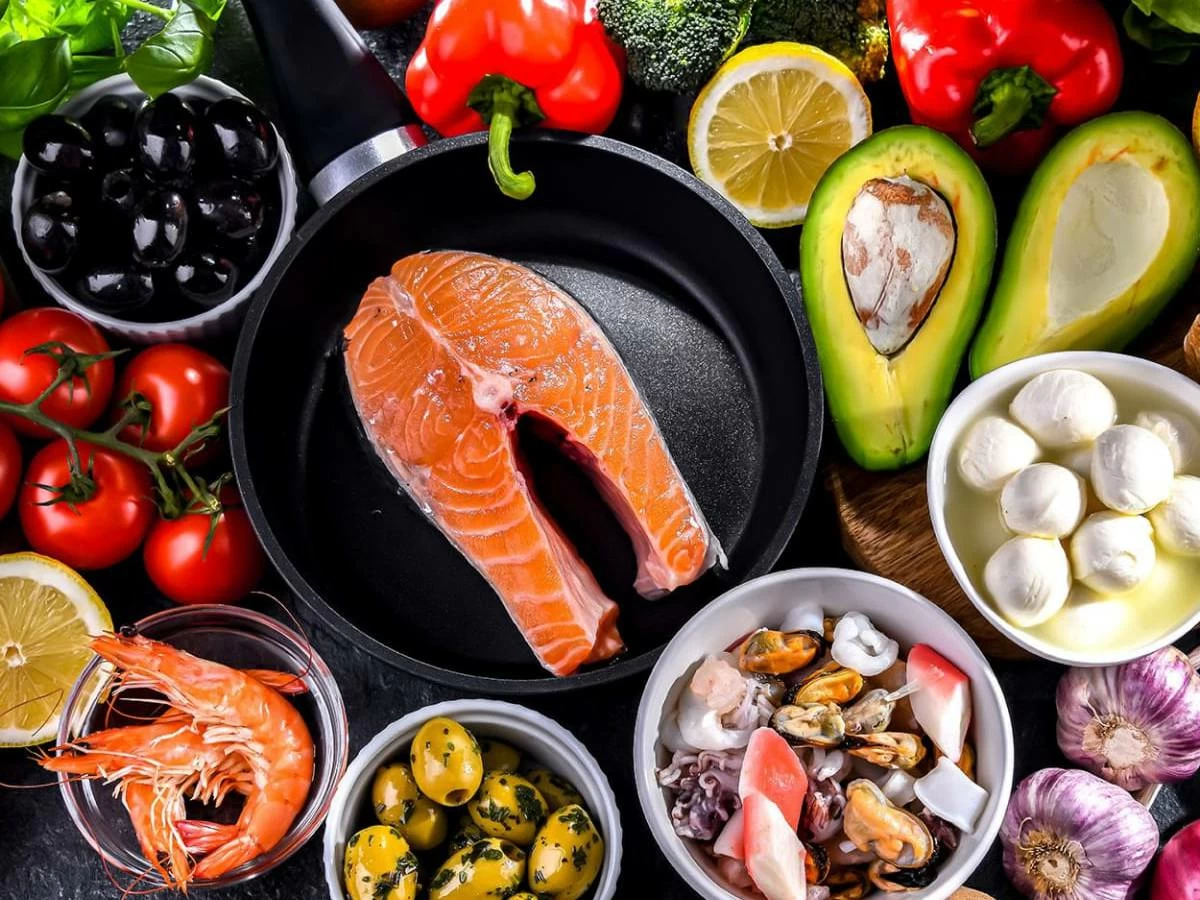
لم تعد فوائد المطبخ المتوسطي محصورة في حماية القلب والشرايين فحسب، بل يبدو أنها تمتد لتمنح العقل توازناً يشتد الاحتياج إليه مع التقدم في العمر. هذا ما كشفت عنه دراسة علمية حديثة، بعدما عثرت على رابط وثيق بين اتباع النظام الغذائي المتوسطي وارتفاع مستويات الرفاهية النفسية لدى الأشخاص الذين تجاوزوا سن الـ50، مظهرة أن جودة الحياة النفسية تتحسن بوضوح مع هذا النمط الغذائي، بغض النظر عن الظروف الاقتصادية أو الاجتماعية أو حتى الحالة المزاجية العامة للفرد.
الدراسة التي تعمقت في هذا الرابط، أنجزها فريق بحثي مشترك من كلية لندن الجامعية ومعهد برشلونة للصحة العالمية (ISGlobal)، ونُشرت نتائجها في دورية «بي إم جي أوبن». وقد اعتمد الباحثون على تحليل بيانات 3296 مشاركاً تراوح أعمارهم بين 50 و90 عاماً، وهم منخرطون في الأساس ضمن «الدراسة الطولية الإنجليزية للشيخوخة». ورصد الفريق العادات الغذائية لهؤلاء بين 2018 و2019 عبر منصة إلكترونية سجلوا من خلالها وجباتهم اليومية، في حين جرى تقييم وضعهم النفسي عبر استبيانات دورية استمرت حتى 2020.
اللافت في هذا البحث أنه تجاوز الأهداف التقليدية للدراسات السابقة التي كانت تركز فقط على رصد الاكتئاب أو الأمراض العضوية؛ إذ ركز هذه المرة على قياس أبعاد إيجابية مباشرة في النفس البشرية، مثل شعور الإنسان بالسيطرة على مجريات حياته، واستقلاليته، وقدرته على الاستمتاع وتحقيق الذات، إضافة إلى امتلاكه أهدافاً واضحة ومستويات طاقة ونظرة متفائلة للمستقبل. وأظهرت المؤشرات أن الالتزام بهذا النظام الغذائي -القائم على الخضار، والفواكه، والبقوليات، والأسماك، وزيت الزيتون- يرفع هذه القيم النفسية بشكل ملحوظ وثابت، حتى بعد تحييد مفعول المسببات الأخرى كالمستوى المادي أو العوارض النفسية السابقة.
ولم تقف القيمة العلمية للبحث عند حدود الأوقات المستقرة، بل امتدت لتشمل فترات الأزمات؛ إذ أظهرت البيانات أن التراجع الطبيعي في الصحة النفسية الذي عانى منه الجميع إبان جائحة كوفيد-19 وما رافقها من إغلاقات، كان أقل وطأة وحدّة لدى الأشخاص الذين حافظوا على وجباتهم المتوسطية، ما يمنح هذا الغذاء دوراً وقائياً في امتصاص الصدمات والضغوط الخارجية.
ومع ذلك، آثرت الباحثة الرئيسية في الدراسة، كاميل لاسال، قراءة النتائج بحذر وموضوعية، موضحة أن طبيعة الدراسة القائمة على الملاحظة لا تعني بالضرورة وجود علاقة سببية حتمية، لكنها اعتبرت أن مراقبة سلوك المشاركين خلال فترة الجائحة منحت النتائج قوة ومصداقية إضافية. وأشارت لاسال إلى أن المكونات الغذائية لهذا النظام تساعد الجسم حيوياً في تنظيم عمليات أساسية، ككبح الالتهابات، وتحسين صحة الأمعاء، وتعزيز وظائف الدماغ، فضلاً عن ضبط استجابة الجسم للتوتر.
The benefits of the Mediterranean diet are no longer limited to protecting the heart and arteries; it seems they extend to providing the mind with a balance that becomes increasingly necessary with aging. This was revealed by a recent scientific study, which found a strong link between following the Mediterranean diet and higher levels of psychological well-being among individuals over the age of 50, showing that the quality of psychological life clearly improves with this dietary pattern, regardless of economic or social conditions or even the individual's general mood.
The study that delved into this link was conducted by a joint research team from University College London and the Barcelona Institute for Global Health (ISGlobal), and its results were published in the journal "BMJ Open." The researchers relied on analyzing data from 3,296 participants aged between 50 and 90 years, who were primarily involved in the "English Longitudinal Study of Ageing." The team monitored the dietary habits of these individuals between 2018 and 2019 through an online platform where they recorded their daily meals, while their psychological status was assessed through periodic questionnaires that continued until 2020.
What is striking about this research is that it went beyond the traditional goals of previous studies that focused solely on monitoring depression or organic diseases; this time it focused on measuring direct positive dimensions in human psychology, such as a person's sense of control over their life, independence, ability to enjoy and achieve self-fulfillment, in addition to having clear goals, energy levels, and an optimistic outlook on the future. The indicators showed that adherence to this diet—based on vegetables, fruits, legumes, fish, and olive oil—significantly and consistently raises these psychological values, even after neutralizing the effects of other factors such as financial status or previous psychological symptoms.
Moreover, the scientific value of the research did not stop at stable times but extended to include periods of crisis; the data showed that the natural decline in mental health experienced by everyone during the COVID-19 pandemic and the accompanying lockdowns was less severe and intense among those who maintained their Mediterranean meals, giving this diet a protective role in absorbing shocks and external pressures.
However, the lead researcher in the study, Camille Lasal, preferred to interpret the results with caution and objectivity, clarifying that the observational nature of the study does not necessarily imply a definitive causal relationship, but she considered that monitoring participants' behavior during the pandemic provided the results with additional strength and credibility. Lasal pointed out that the nutritional components of this diet help the body vitalize in regulating essential processes, such as curbing inflammation, improving gut health, enhancing brain functions, and regulating the body's response to stress.
المصدر الأصلي: عكاظ




التعليقات (0)
كن أول من يعلّق.