قدوات… حين تحفظ المجتمعات ذاكرتها

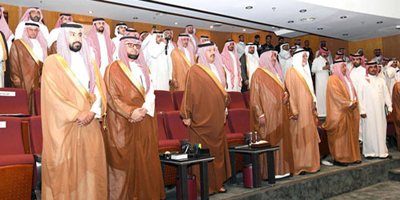
في الأمسية التي أقامتها مؤسسة «قدوات عطاء ووفاء» في عسير، وتشرفت فيها بأن أكون أحد المكرمين، كان المعنى أبعد من لحظة التكريم وأبقى منها. فالمناسبة في جوهرها، لم تكن احتفاءً بأسماء بقدر ما كانت تذكيرًا بقيمةٍ لا تستقيم حياة المجتمعات من دونها: أن ترى الأجيال القيم مجسدة في سِيَر الناس، لا مكتوبة في العبارات وحدها.فالقدوة لا تُصنع على منصة، ولا يمنحها درع أو شهادة. إنها حصيلة عمر من العمل، وطريقة في أداء الواجب، وأثر يتركه الإنسان حيث يكون. غير أن هذا الأثر قد يظل محدودًا في محيطه، وقد تمضي تجارب…
في أمسية تكريمية نظمتها مؤسسة «قدوات عطاء ووفاء» بمنطقة عسير، وكنتُ محظوظًا بأن أكون ضمن المكرَّمين، تجاوزت دلالات الحدث طقوس التكريم المعتادة. إذ لم تكن المناسبة مجرد احتفاء بأفراد، بل تذكيرًا بجوهر حيوي للمجتمع: أن ترى الأجيال القيم متجسدة في مسارات الناس، لا في النصوص وحدها.
وتأتي مبادرة «قدوات» ضمن جهود متزايدة لتعزيز القيم المجتمعية من خلال تكريم النماذج الملهمة.
القدوة الحقيقية لا تُخلق على المنصات، ولا تُمنح بدروع أو شهادات. إنها نتاج عمر من العمل الجاد، وأسلوب في أداء الواجب، وأثر يتركه الفرد في محيطه. لكن هذا الأثر قد يظل محصورًا، وقد تمر تجارب تستحق التأمل دون أن تجد من يعيد سردها ويضعها في إطارها الوطني. وهنا تبرز ضرورة مؤسسات تنبش عن المعنى قبل الاسم، وتستخلص من التجارب ما يصلح ليكون جزءًا من ذاكرة المجتمع.
وهذه في تقديري، هي الفكرة التي تنهض عليها مؤسسة «قدوات». فهي لا تضيف إلى المكرمين فضلًا لم يكن لهم، ولا تجعل من التكريم نهايةً لمسيرتهم، وإنما تنقل التجربة من نطاقها الخاص إلى المجال العام، وتقول للأجيال إن القيم التي تسمع عنها لها شواهد حية؛ وإن العمل الجاد، والصبر، وتحمل المسؤولية، ليست موضوعات للوعظ، بل طرائق حياة يمكن أن تُرى وتُعرف.
وتزداد أهمية هذا الدور في عصر تتسابق فيه الصور والنماذج على استقطاب وعي الشباب، حتى أصبحت الشهرة في حالات كثيرة تسبق القيمة، ويصبح التواجد الإعلامي أقوى من الأثر الفعلي. وفي هذه البيئة، لم يعد تقديم القدوات مجرد عمل احتفالي، بل تحول إلى عمل ثقافي تربوي؛ لأنه يعيد ترتيب أولويات النظر، ويفصل بين من يجذب الانتباه ومن يستحقه.
ومن هنا أيضًا تتضح أهمية القطاع غير الربحي في المملكة. فوظيفته لا تقف عند أبواب المساعدة والخدمة، على جلالة شأنهما، بل تمتد إلى بناء الوعي ورعاية القيم وتعزيز التماسك الاجتماعي. وقد جاءت رؤية السعودية 2030 لتمنح هذا القطاع مساحة أوسع ودورًا أكثر نضجًا بوصفه شريكًا في التنمية وبوصف التنمية نفسها بناءً للإنسان قبل أن تكون توسعًا في المنشآت والمشروعات.
ولعل تجربة «قدوات» تقدم مثالًا واضحًا لهذا التحول؛ إذ جعلت من استحضار التجارب الوطنية عملًا مؤسسيًا ممتدًا، لا مناسبة عابرة. فتنقلت بين مناطق المملكة، واقتربت من سير مختلفة، وربطت التكريم بسياقه الاجتماعي والتنموي، فغدا الاحتفاء وسيلةً لإبراز القيم التي صنعت تلك التجارب، لا غايةً قائمة بذاتها.
وفي أمسية عسير، منح حضور صاحب السمو الملكي الأمير تركي بن طلال أمير المنطقة ورئيس هيئة تطويرها المناسبة دلالتها الأعمق؛ لأن رعاية القيادة لمثل هذه المبادرات تؤكد أن بناء الإنسان والاحتفاء بالأثر الصادق وحفظ الذاكرة الوطنية، ليست شؤونًا هامشية، بل جزء من مشروع الوطن الكبير.
أما الأستاذ ناصر بن عبدالله العواد، مؤسس «قدوات»، فيُحسب له أنه نقل الفكرة من خاطر حسن إلى عمل مستمر، وجمع لها من يؤمن بها ويعمل من أجلها. وما يمنح التجربة قيمتها ليس كثرة الاحتفالات، بل وضوح الرسالة واستمرارها: أن المجتمعات التي تعرف نماذجها أقدر على أن تنجب أمثالها.
وليس في أداء المواطن لواجبه فضلٌ له على وطنه؛ فالوطن هو الذي يمنحه الهوية والأمن والفرصة، وما يقدمه بعد ذلك بعض ما يجب عليه. لكن من حق المجتمع على نفسه أن يحفظ تجاربه الجادة، لا ليغالي في أصحابها، بل ليجعل منها معرفةً عامة، ومادةً للتعلم، ودليلًا على أن بناء الأوطان لا يتم بالشعارات، وإنما بأعمال تتراكم، وأجيال تتعاقب، وقيم تنتقل من سيرة إلى أخرى.
تنتهي أمسيات التكريم وتبقى الدروع في أماكنها، أما ما يستحق البقاء حقًا فهو المعنى الذي دعت إليه «قدوات»: أن الأمة التي تحفظ سِيَر العمل الصادق لا تستعيد ماضيها فحسب، بل تهيئ مستقبلها أيضًا.
At the evening organized by the "Qudwat Ataa wa Wafa" Foundation in Asir, where I was honored to be one of the honorees, the meaning went beyond the moment of recognition and remained longer. The occasion, at its core, was not a celebration of names as much as it was a reminder of a value without which the lives of communities cannot be upright: to see generations embodying values in the lives of people, not just written in phrases.
The role model is not made on a platform, nor is it granted by a trophy or certificate. It is the result of a lifetime of work, a way of fulfilling duty, and an impact that a person leaves wherever they are. However, this impact may remain limited to its surroundings, and worthy experiences may pass without finding someone to narrate them or place them in their broader national context. Hence, the need arises for institutions that track meaning before names and extract from experiences what can be part of the community's memory.
In my opinion, this is the idea upon which the "Qudwat" Foundation stands. It does not add to the honorees a virtue they did not possess, nor does it make recognition the end of their journey, but rather it transfers the experience from its private realm to the public domain, telling generations that the values they hear about have living witnesses; that hard work, patience, and taking responsibility are not subjects for preaching, but ways of life that can be seen and known.
This role has become increasingly important in a time when images are accelerating, and models compete for the awareness of the youth, to the point that fame often precedes value, and media presence is stronger than real impact. In such an atmosphere, presenting role models is no longer a celebratory act, but rather a cultural and educational endeavor; because it rearranges the criteria of perception and distinguishes between those who attract attention and those who deserve it.
From here, the importance of the non-profit sector in the Kingdom becomes clear. Its role does not stop at the doors of assistance and service, however significant they may be, but extends to building awareness, nurturing values, and enhancing social cohesion. The Saudi Vision 2030 has come to grant this sector a broader space and a more mature role as a partner in development, viewing development itself as building the human being before it is an expansion of facilities and projects.
Perhaps the "Qudwat" experience provides a clear example of this transformation; it has made the recalling of national experiences an extended institutional effort, not a fleeting occasion. It has moved between the regions of the Kingdom, approached different biographies, and linked recognition to its social and developmental context, making the celebration a means to highlight the values that created those experiences, not an end in itself.
At the Asir evening, the presence of His Royal Highness Prince Turki bin Talal, the Emir of the region and the head of its development authority, gave the occasion its deeper significance; because the leadership's sponsorship of such initiatives confirms that building the human being, celebrating genuine impact, and preserving national memory are not marginal issues, but part of the grand national project.
As for Mr. Nasser bin Abdullah Al-Awad, the founder of "Qudwat," he is credited with transforming the idea from a good thought into a continuous work, gathering those who believe in it and work for it. What gives the experience its value is not the number of celebrations, but the clarity of the message and its continuity: that communities that know their models are more capable of producing similar ones.
There is no virtue for a citizen in performing their duty to their homeland; the homeland is what grants them identity, security, and opportunity, and what they offer afterward is just part of what they owe. However, it is the right of the community to preserve its serious experiences, not to exaggerate the merits of their owners, but to make them public knowledge, a material for learning, and a guide that building nations is not achieved through slogans, but through actions that accumulate, generations that succeed one another, and values that transfer from one biography to another.
The evenings of recognition come to an end, and the trophies remain in their places, but what truly deserves to remain is the meaning that "Qudwat" called for: that a nation that preserves the stories of sincere work does not only reclaim its past but also prepares its future.
ومع رؤية السعودية 2030 التي تمنح القطاع غير الربحي مساحة أوسع، تبرز أهمية مثل هذه المبادرات في بناء الوعي ورعاية القيم. وتحويل التجارب الفردية إلى ذاكرة جمعية يعزز التماسك الاجتماعي ويوفر نماذج يُحتذى بها للأجيال القادمة. إن استمرارية هذه الجهود تتطلب تضافر المؤسسات والأفراد لضمان بقاء القيم حية في نسيج المجتمع.
المصدر الأصلي: عكاظ



التعليقات (0)
كن أول من يعلّق.