الصناعة السعودية أمام لحظة الحقيقة

يمثل قرار إسناد وزارة الصناعة والثروة المعدنية إلى الأمير عبدالعزيز بن سلمان، إلى جانب وزارة الطاقة، أكثر من مجرد تعديل وزاري. إنه إعلان بأن المملكة تنظر إلى الصناعة بوصفها المرحلة التالية في قصة التحول الاقتصادي، وأن الطاقة لم تعد غاية في حد ذاتها، بل وسيلة لبناء اقتصاد صناعي أكثر تنوعاً وقدرة على المنافسة. لكن نجاح هذه الخطوة لن يقاس بعدد المبادرات الجديدة، بل بقدرتها على مراجعة السياسات القائمة بشجاعة. فالصناعة السعودية لا تعاني اليوم من نقص في الإستراتيجيات أو الخطط، وإنما من فجوة بين الطموح…
الصناعة السعودية أمام لحظة الحقيقة
تاريخ النشر: 19 يوليو 2026 - 00:00 (آخر تحديث: 19 يوليو 2026 - 00:00)
تأتي هذه التطورات في إطار مساعي المملكة المستمرة لتنويع الاقتصاد وتقليل الاعتماد على النفط كركيزة أساسية.
--:--
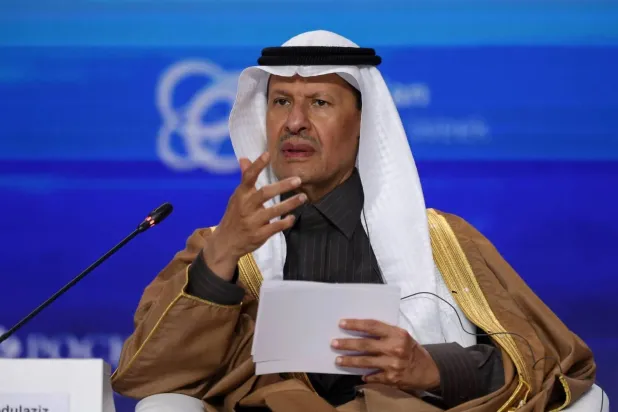
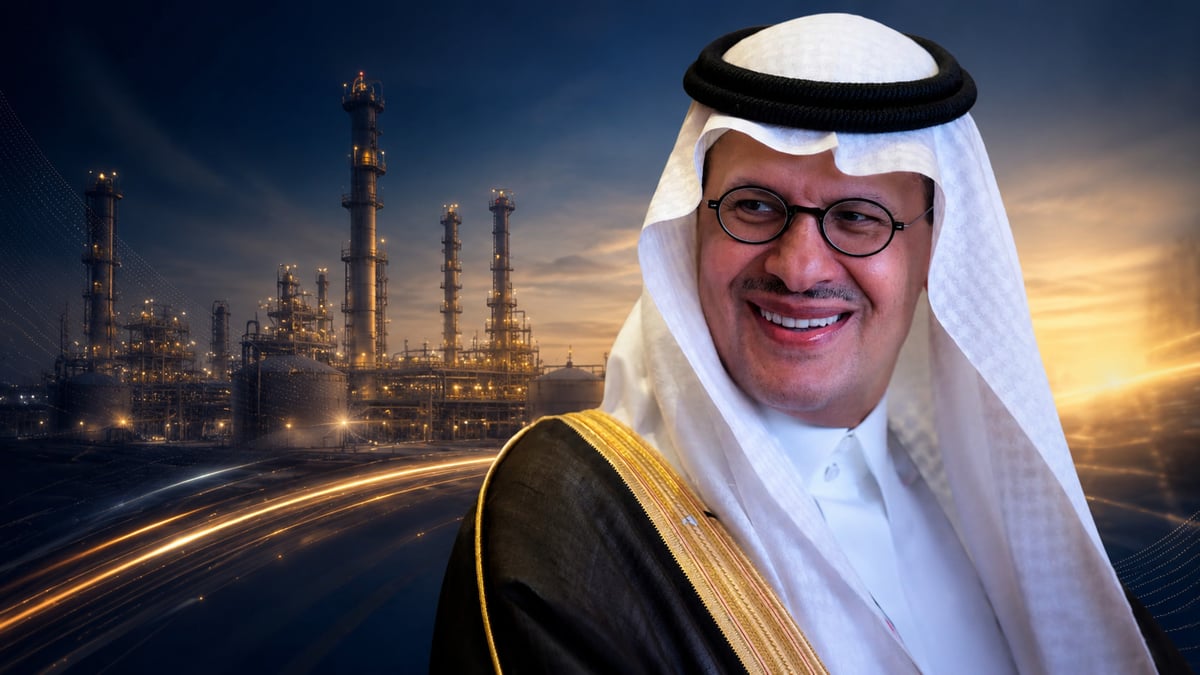
إن تكليف الأمير عبدالعزيز بن سلمان بوزارة الصناعة والثروة المعدنية إلى جانب حقيبة الطاقة يتجاوز كونه تعديلاً وزارياً عادياً، بل هو رسالة بأن المملكة باتت ترى في القطاع الصناعي المحطة التالية لمسار التحول الاقتصادي، ولم تعد الطاقة هدفاً بذاتها، بل أداة لبناء اقتصاد صناعي أكثر تنوعاً وتنافسية. غير أن نجاح هذه الخطوة لن يُحتسب بعدد المبادرات الجديدة، بل بقدرتها على إعادة النظر في السياسات الحالية بشجاعة. فالصناعة السعودية لا تعاني من نقص في الاستراتيجيات، بل من فجوة بين الطموح والتنفيذ. أذكر هنا موقفاً شخصياً: قبل خمسة عشر عاماً، وأنا رئيس اللجنة الصناعية بغرفة الشرقية، تلقيت اتصالاً من الأمير عبدالعزيز بن سلمان – وكان وقتها مسؤولاً في وزارة البترول – سألني بتواضع: كيف تنظمون ملتقى صناعياً دون إشراك الوزارة أو دعوتها؟ اعتذرت معترفاً بالتقصير، لكن ما بقي في ذهني هو أسلوبه: قائد يختار الحوار قبل اللوم، والاستماع قبل إصدار الأحكام. لذا أرى من واجبي أن أعرض عليه ما أعتقد أنه أولويات المرحلة.
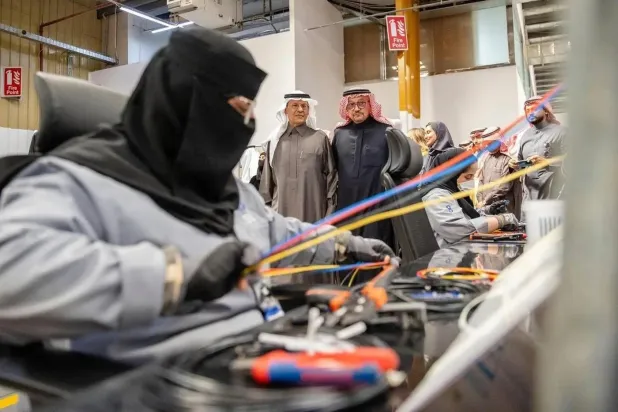
أول الأولويات هي إعادة تعريف دور صندوق التنمية الصناعي. الصندوق الذي كان شريكاً في بناء الصناعة أصبح اليوم، في نظر المستثمرين، أقرب إلى بنك تجاري شديد التحفظ. فإذا تحول الممول التنموي إلى مؤسسة لا تختلف عن البنوك، فمن سيمول المخاطرة الصناعية التي تحتاجها المملكة؟ أما هيئة المحتوى المحلي، ورغم نجاحاتها، فإن أثرها يتركز على الحلقة الأخيرة من سلسلة القيمة، بينما الموردون المحليون الذين يغذون المصانع لا يحصلون على الحوافز ذاتها. المحتوى المحلي الحقيقي لا يبدأ عند المصنع النهائي، بل عند أول قطعة تدخل في الإنتاج. كما أن تضخم الاستعانة بالجهات الاستشارية الخارجية في بعض الجهات التابعة للوزارة خلق تكلفة إضافية على المستثمر، في وقت تتنافس فيه المملكة مع دول تسابق الزمن لتخفيف الأعباء على الصناعة لا زيادتها. وهناك ملفات تحتاج مراجعة صريحة: الرسوم الجمركية في ظل التزامات منظمة التجارة العالمية التي لم تعد تطبقها كثير من الدول، وبرامج هيئة تنمية الصادرات التي تبدو معقدة للمنشآت المتوسطة والصغيرة، والإستراتيجية الوطنية للصناعة التي تستحق تقييماً شفافاً. ثم المشاريع العملاقة لرؤية 2030، وهي أكبر فرصة صناعية في تاريخ المملكة. السؤال لم يعد كم سننفق؟ بل كم منتجاً سعودياً ستولده هذه المشاريع؟ وكم مصنعاً وطنياً سينمو بفضلها؟ إذا لم تتحول هذه المشروعات إلى محرك لبناء سلاسل إمداد وطنية، فإننا سنفوت فرصة قد لا تتكرر. قبل خمسين عاماً، كان مركز الأبحاث والتنمية الصناعية يرسل خبراء إلى المصانع للعمل معها لحل المشكلات ورفع الكفاءة. ربما نحتاج اليوم إلى استعادة تلك الفلسفة بأدوات العصر: فرق مستقلة تنزل إلى أرض المصنع، تستمع، وتقيس، وتقترح، بعيداً عن التقارير المكتبية. الصناعة السعودية لا تحتاج شعارات، بل مراجعة صادقة للسياسات. وإذا كان هناك مسؤول قادر على قيادة هذه المراجعة دون حساسية، فالأمير عبدالعزيز بن سلمان، بعمق معرفته وقدرته على الاستماع وشجاعته، هو الأمل. المرحلة القادمة يجب ألا تكون مرحلة إدارة الصناعة، بل إعادة اكتشافها.
The decision to assign the Ministry of Industry and Mineral Resources to Prince Abdulaziz bin Salman, alongside the Ministry of Energy, represents more than just a cabinet reshuffle. It is an announcement that the Kingdom views industry as the next phase in the story of economic transformation, and that energy is no longer an end in itself, but a means to build a more diverse and competitive industrial economy. However, the success of this step will not be measured by the number of new initiatives, but by their ability to courageously review existing policies. Today, Saudi industry does not suffer from a lack of strategies or plans, but rather from a gap between ambition and execution. I say this while recalling a personal experience that still lingers in my memory. Fifteen years ago, when I was the chairman of the Industrial Committee at the Eastern Chamber of Commerce, I received a call from Prince Abdulaziz bin Salman, who was then an official at the Ministry of Petroleum. He humbly asked me: How do you organize an industrial forum without involving the ministry or even inviting it? I apologized to him, acknowledging the shortcoming, but what remained in my mind was not the question, but his approach. A leader who chooses dialogue before blame, and listening before issuing judgments. Therefore, I find it my duty to present to him what I believe represents the priorities of the upcoming phase.
The first of these priorities is to redefine the role of the Industrial Development Fund. The fund, which was once a partner in building the national industry, has, in the eyes of many investors, become more like a highly conservative commercial bank. If the developmental financier turns into an institution that does not differ in its philosophy from banks, who will accept financing the industrial risks that the Kingdom needs? As for the Local Content Authority, despite its clear successes, its impact still focuses on the last link in the value chain, while the local suppliers feeding those factories do not receive the same incentives. True local content does not begin at the final factory, but at the first piece that enters the production process. Additionally, the inflation of reliance on external consulting firms in some departments under the ministry has created an additional cost borne by the investor, at a time when the Kingdom is competing with countries racing against time to reduce burdens on industry rather than increase them. There are also files that need explicit review, from customs duties in light of World Trade Organization commitments that many member states no longer apply, to the Export Development Authority's programs that seem more complicated than beneficial for medium and small industrial enterprises, through to the national industrial strategy that deserves a transparent evaluation: What has been achieved? What has stumbled? What needs to change? Then come the mega-projects of Vision 2030, which may be the largest industrial opportunity in the Kingdom's history. The question is no longer: How much will we spend? But rather, how many Saudi products will these projects generate? And how many national factories will grow thanks to them? If these projects do not transform into a driver for building national supply chains, we will have missed an opportunity that may not recur. Fifty years ago, the Industrial Research and Development Center used to send experts to factories, working face-to-face with them to solve problems and enhance efficiency. Perhaps today we need to revive that philosophy, but with modern tools... independent teams that go down to the factory floor, listen, measure, and propose, away from desk reports. Saudi industry does not need more slogans, but rather a sincere review of policies that no longer achieve their objectives. And if there is an official capable of leading this review without sensitivity, it is Prince Abdulaziz bin Salman, known for his deep knowledge of the sector, ability to listen, and courage in decision-making, who is the hope we dream of. The upcoming phase should not be about managing industry, but rather rediscovering it.
ورؤية 2030 حددت أهدافاً طموحة للقطاع الصناعي، منها رفع مساهمته في الناتج المحلي وزيادة الصادرات غير النفطية. ويظل التحدي الأكبر هو تحويل الخطط إلى نتائج ملموسة على أرض الواقع، خاصة مع المنافسة الإقليمية والدولية الشرسة. ومن المتوقع أن يركز الوزير الجديد على سد الفجوة بين الطموح والتنفيذ، والاستفادة من المشاريع العملاقة كقاطرة للصناعة الوطنية.
المصدر الأصلي: عكاظ

التعليقات (0)
كن أول من يعلّق.