فرحتُ كثيراً لـ«ظلم» المنتخب المصري!

همس الحقيقة
فرحتُ كثيراً لـ«ظلم» المنتخب المصري!
12 يوليو 2026 - 00:02 | آخر تحديث 12 يوليو 2026 - 00:02
الظلم، بكل أشكاله وأنواعه، مرفوض وممقوت ومكروه، مهما كانت مبررات الظالم أو المدافعين عنه. وقد يستغرب القارئ الكريم أنني، ومن النادر جداً، بل في حالات قليلة للغاية، أشعر بالفرح إزاء ظلمٍ وقع على نادٍ أو منتخب. لكنني أعتبر أن هذا النوع من الظلم قد يجسّد أحياناً معنى المثل القائل: «رُبَّ ضارةٍ نافعة»، والأبلغ من ذلك قول الله تعالى: ﴿وَعَسَىٰ أَنْ تَكْرَهُوا شَيْئًا وَهُوَ خَيْرٌ لَكُمْ وَعَسَىٰ أَنْ تُحِبُّوا شَيْئًا وَهُوَ شَرٌّ لَكُمْ وَاللَّهُ يَعْلَمُ وَأَنْتُمْ لَا تَعْلَمُونَ﴾.
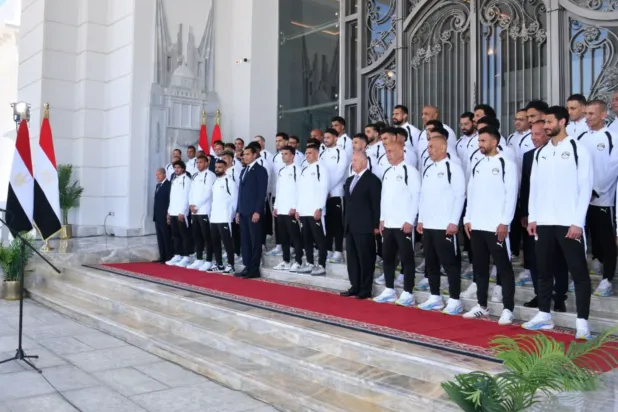
-حالة الفرح التي انتابتني بعد خروج المنتخب المصري من بطولة كأس العالم المقامة حالياً لم تكن بسبب خروجه، وإنما بسبب ما أعقب ما تعرّض له، بحسب ما رآه كثيرون، من ظلم تحكيمي واضح وفادح أمام منتخب الأرجنتين، كان لحكم المباراة الدور الأكبر فيه، إلى جانب الغياب المستغرب لتقنية حكم الفيديو المساعد (VAR) عن أداء دورها بالحياد والفاعلية المطلوبة.
ولعل ما زاد هذا الشعور هو أن ردود الأفعال لم تقتصر على المستوى العربي أو الإقليمي، بل امتدت إلى مختلف أنحاء العالم، حيث عبّر لاعبون ومدربون وحكام سابقون وإعلاميون وجماهير عن استيائهم الشديد من القرارات التحكيمية التي صاحبت اللقاء، وهو ما منح القضية بعداً عالمياً غير مسبوق.
-لقد تحوّلت الانعكاسات السلبية لذلك الظلم على المنتخب المصري إلى مكسب معنوي كبير، بل إلى انتصار أخلاقي وعدلي لمنتخب الفراعنة وجماهيره ومحبيه. فقد حظي بتعاطف عالمي واسع من عشّاق كرة القدم، وأصبحت قضيته حديث الرأي العام الرياضي في مختلف القارات. وأحسب أن المنتخب المصري، حتى لو تُوّج بلقب كأس العالم، لما حقّق هذا القدر من الالتفاف والتضامن العالمي، وهو ما أعتبره إنجازاً معنوياً كبيراً ناله نتيجة ذلك الظلم التحكيمي.
-لقد أفرحني هذا الظلم لأنه كشف أن بيئة كرة القدم، رغم ما تضمّه من قيم النزاهة والعدالة، لا تخلو ممن يعمل على تقويض تلك القيم، متجاوزاً الأنظمة والقوانين، وبما يوحي ـ في نظر كثيرين ـ بوجود قوى خفية تؤثر في مسار بعض البطولات، وتحدد سقف طموحات بعض المنتخبات وفق اعتبارات لا علاقة لها بالمستوى الفني داخل الملعب. وما ظل لسنوات محل شك وهمس، أصبح اليوم، بفعل ردود الأفعال العالمية، أكثر حضوراً في النقاش الرياضي، حتى بات لسان حال الجماهير يقول: «من لا يعجبه ذلك، فليضرب رأسه في الجدار».
-وأعادني هذا المشهد إلى ما تعرّض له المنتخب السعودي من ظلم تحكيمي في مباراة مصيرية أمام منتخب كوريا الجنوبية خلال إحدى البطولات الآسيوية، حينها خرج الأمير سلطان بن فهد، الرئيس العام لرعاية الشباب ورئيس الاتحاد السعودي لكرة القدم آنذاك، بتصريح قوي قال فيه «صبرنا على الأخطاء الكارثية والمؤامرة التي تحاك ضد المنتخبات السعودية على المستوى الآسيوي، فهناك هضم تام لحقوق الكرة السعودية منذ سنوات، والمنتخب خسر أمام حكام هم الأسوأ في تاريخ الكرة الآسيوية»، ثم أضاف مؤكداً، «على الاتحاد الآسيوي أن يخجل من نفسه، فهذا الاتحاد يثبت تدريجياً أن هناك سوء نية ضد المنتخب السعودي»، مطالباً بـ«إحداث تغيير داخل الاتحاد الآسيوي ولجانه بما يضمن العدالة والإنصاف»، وقد كان لذلك الموقف الصريح أثر إيجابي في لفت الانتباه إلى واقع التحكيم الآسيوي، وأسهم ـ إلى حد مقبول ـ في مراجعة كثير من الملفات المتعلقة بالاتحاد القاري ولجنة الحكام.
-إن ما حدث للمنتخب المصري أمام الأرجنتين، وما صاحبه من جدل واسع، ثم ما شهدناه لاحقاً من عدالة تحكيمية في مباراة المنتخب المغربي أمام فرنسا، عكس حجم التأثير الذي يمكن أن تحدثه ردود الأفعال العالمية عندما تتوحد على رفض الظلم.
-ولعل الدرس الأهم الذي يجب أن يبقى حاضراً بعد كل ما حدث هو أن العدالة ليست مطلباً مصرياً أو سعودياً أو عربياً، بل هي حق لكل منتخب ولكل لاعب ولكل جماهير كرة القدم في العالم. فحين يفقد الناس ثقتهم في عدالة المنافسة، تفقد البطولات شيئاً من قيمتها، مهما بلغت مكانتها أو حجم بريقها.
-ويبقى الأمل أن تتحوّل هذه الضجة العالمية إلى نقطة مراجعة حقيقية داخل أروقة الاتحاد الدولي لكرة القدم، وأن تكون حماية نزاهة اللعبة أولوية لا تقل أهمية عن تطويرها وتسويقها. فالتاريخ لا يخلّد أسماء الأبطال فحسب، بل يخلّد أيضاً المواقف التي انتصرت للحق، والقرارات التي أعادت الثقة إلى المستطيل الأخضر، ليبقى شعار كرة القدم كما يجب أن يكون دائماً: الأفضل داخل الملعب هو من يستحق الانتصار وشرف نيل لقب البطولة.
Injustice, in all its forms and types, is rejected, detested, and disliked, no matter what justifications the oppressor or their defenders may have. The esteemed reader may find it surprising that I, very rarely, and in very few cases, feel joy regarding an injustice that has befallen a club or a national team. However, I believe that this type of injustice can sometimes embody the meaning of the saying: "Perhaps a harmful thing is beneficial," and even more eloquently, the words of Allah Almighty: ﴿And it may be that you dislike something while it is good for you, or that you like something while it is bad for you; and Allah knows while you do not know﴾.
-The feeling of joy that overcame me after the Egyptian national team was eliminated from the ongoing World Cup was not due to their exit, but rather because of what followed, which many perceived as a clear and grave refereeing injustice against the Argentine team, in which the referee played the largest role, alongside the puzzling absence of the Video Assistant Referee (VAR) in performing its role with the required neutrality and effectiveness.
Perhaps what amplified this feeling is that the reactions were not limited to the Arab or regional level, but extended to various parts of the world, where players, coaches, former referees, journalists, and fans expressed their strong dissatisfaction with the refereeing decisions that accompanied the match, which gave the issue an unprecedented global dimension.
-The negative repercussions of that injustice on the Egyptian national team transformed into a significant moral gain, even into a moral and just victory for the Pharaohs and their fans and supporters. They received widespread global sympathy from football lovers, and their case became the talk of the sporting public across different continents. I believe that even if the Egyptian national team were to win the World Cup title, they would not have achieved this level of global solidarity and support, which I consider a significant moral achievement resulting from that refereeing injustice.
-This injustice pleased me because it revealed that the football environment, despite its values of integrity and justice, is not devoid of those who work to undermine those values, transcending systems and laws, and suggesting — in the eyes of many — the existence of hidden forces that influence the course of certain tournaments and set the ceiling of ambitions for some teams based on considerations unrelated to the technical level on the field. What has been a subject of doubt and whispers for years has become, due to global reactions, more present in sports discussions, to the extent that the voice of the fans now says: "If you don't like it, hit your head against the wall."
-This scene reminded me of the refereeing injustice that the Saudi national team faced in a crucial match against South Korea during one of the Asian tournaments, when Prince Sultan bin Fahd, the then President of Youth Welfare and the Saudi Football Federation, made a strong statement saying, "We have endured catastrophic mistakes and the conspiracy being plotted against Saudi teams at the Asian level; there has been a complete denial of Saudi football rights for years, and the team lost against referees who are the worst in the history of Asian football," and he added emphatically, "The Asian Federation should be ashamed of itself, as this federation gradually proves that there is ill intent against the Saudi national team," calling for "changes within the Asian Federation and its committees to ensure justice and fairness." This candid stance had a positive impact in drawing attention to the reality of Asian refereeing and contributed — to an acceptable extent — to reviewing many files related to the continental federation and the referees' committee.
-What happened to the Egyptian national team against Argentina, along with the widespread controversy that followed, and then what we later witnessed of refereeing fairness in the Moroccan national team's match against France, reflected the extent of the impact that global reactions can have when they unite in rejecting injustice.
-Perhaps the most important lesson that should remain present after all that has happened is that justice is not a demand of Egypt, Saudi Arabia, or the Arab world; rather, it is a right for every team, every player, and every football fan in the world. When people lose faith in the fairness of competition, tournaments lose some of their value, no matter how prestigious or glamorous they may be.
-There remains hope that this global uproar will turn into a genuine point of review within the corridors of FIFA, and that protecting the integrity of the game will be a priority no less important than its development and marketing. History does not only immortalize the names of champions but also the stances that stood for the truth and the decisions that restored trust to the green rectangle, so that the motto of football remains as it should always be: the best on the field deserves victory and the honor of winning the championship title.
المصدر الأصلي: عكاظ



التعليقات (0)
كن أول من يعلّق.