الصين تنجح لأول مرة في إنزال صاروخ إطلاق فضائي قابل لإعادة الاستخدام
الصين تنجح لأول مرة في إنزال صاروخ إطلاق فضائي قابل لإعادة الاستخدام
10 يوليو 2026 - 22:07 | آخر تحديث 10 يوليو 2026 - 22:07
--:--
«عكاظ» (الصين)
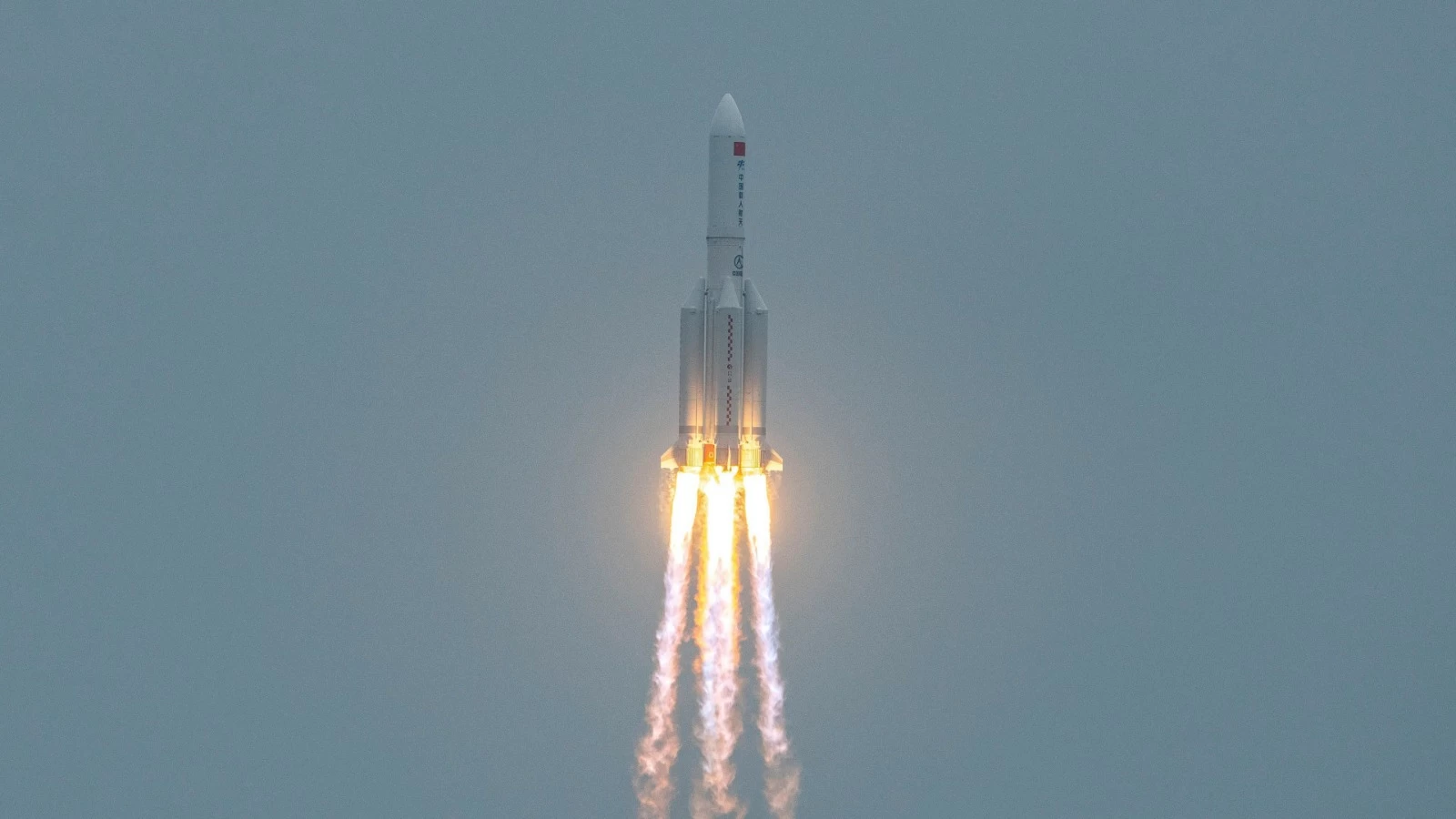
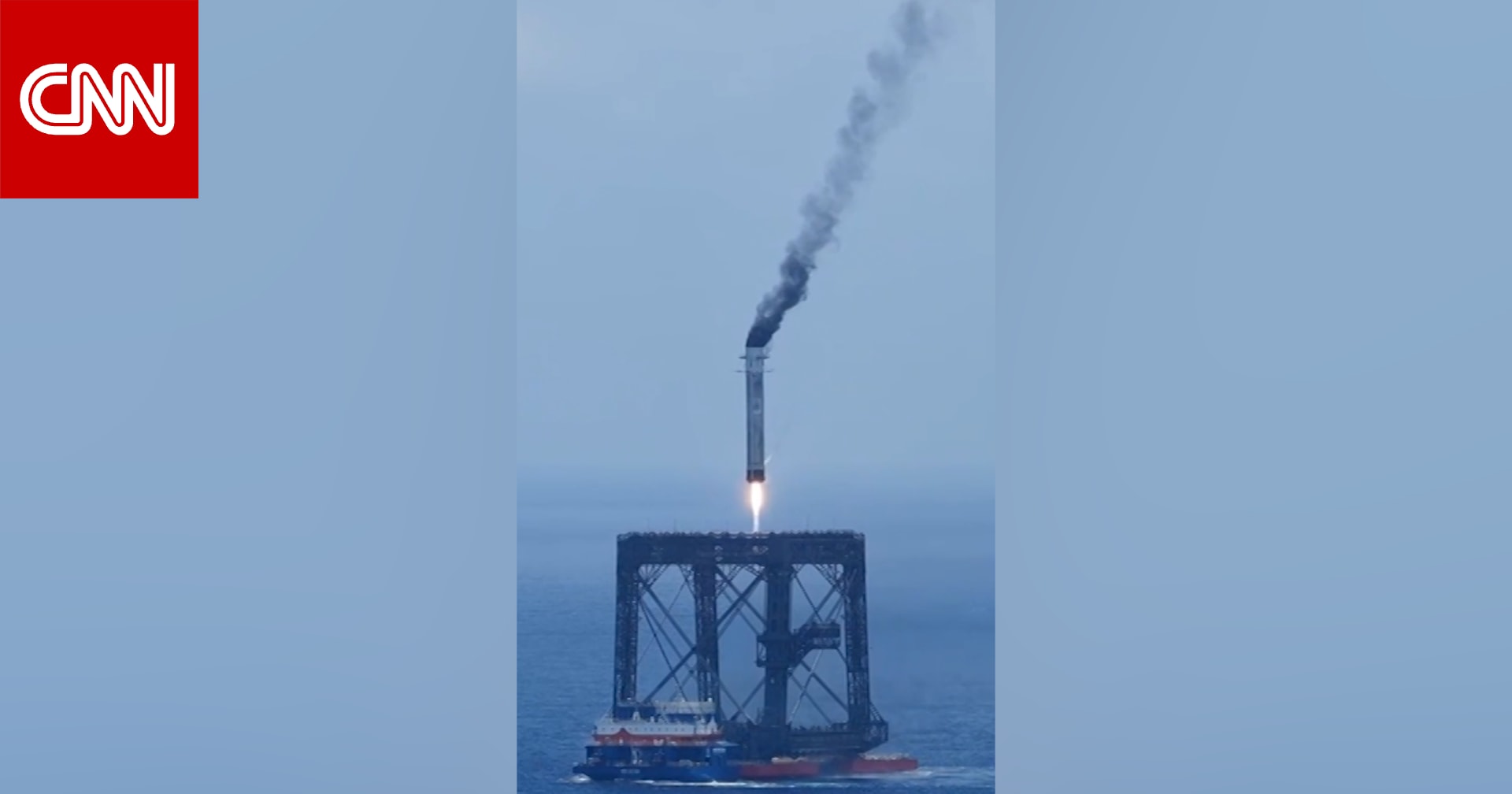
نجحت الصين في اختبار نظام تجريبي لاستعادة الصواريخ القابلة لإعادة الاستخدام، بعد تمكنها من التقاط المرحلة الأولى من الصاروخ الحامل «لونغ مارش-10 بي» بواسطة شبكة مثبتة على منصة بحرية.
وأفادت وكالة الفضاء الصينية «شينخوا» بأن صاروخًا من طراز «لونغ مارش-10 بي» انطلق من موقع الإطلاق في جزيرة هاينان الكبيرة الواقعة جنوب البلاد، قبل أن يضع قمرًا اصطناعيًا في المدار، موضحة أنه جرى بعد ذلك استعادة القسم الأول من الصاروخ، أي الجزء السفلي الذي يوفر قوة الدفع الأولية اللازمة لرفعه عن الأرض، «على منصة بحرية باستخدام نظام التقاط بالشبكة».
وأضافت أن هذه المهمة تمثل أول عملية استعادة ناجحة ومُتحكَّم فيها للمرحلة الأولى من صاروخ إطلاق في الصين، فضلًا عن كونها أول عملية استعادة في العالم تتم في عرض البحر باستخدام شبكة، مشيرةً إلى أن هذا يمثل نجاحًا كبيرًا في تقنيات الصواريخ الصينية القابلة لإعادة الاستخدام.
ويعد هذا الاختبار أول عملية استعادة محكومة للمرحلة الأولى من صاروخ حامل في الصين، ويمثل خطوة مهمة في تطوير تقنيات إعادة استخدام الصواريخ وتقليل تكاليف عمليات الإطلاق الفضائي.
China has successfully tested a prototype system for recovering reusable rockets, having managed to capture the first stage of the "Long March-10B" launch vehicle using a net mounted on a marine platform.
The Chinese space agency "Xinhua" reported that a "Long March-10B" rocket launched from the launch site on Hainan Island in the south of the country, before placing a satellite into orbit. It explained that the first stage of the rocket, which is the lower part that provides the initial thrust needed to lift it off the ground, was then recovered "on a marine platform using a net capture system."
It added that this mission represents the first successful and controlled recovery of the first stage of a launch vehicle in China, as well as being the first recovery operation in the world conducted at sea using a net, noting that this marks a significant achievement in Chinese reusable rocket technologies.
This test is the first controlled recovery operation of the first stage of a launch vehicle in China and represents an important step in the development of rocket reuse technologies and reducing the costs of space launch operations.
المصدر الأصلي: عكاظ





التعليقات (0)
كن أول من يعلّق.