الأدنى منذ ربع قرن.. «الأرصاد»: تراجع تاريخي لعواصف الغبار في السعودية
الأدنى منذ ربع قرن.. «الأرصاد»: تراجع تاريخي لعواصف الغبار في السعودية
12 يوليو 2026 - 16:48 | آخر تحديث 12 يوليو 2026 - 16:48
--:--
إبراهيم العلوي (جدة) i_waleeed22@
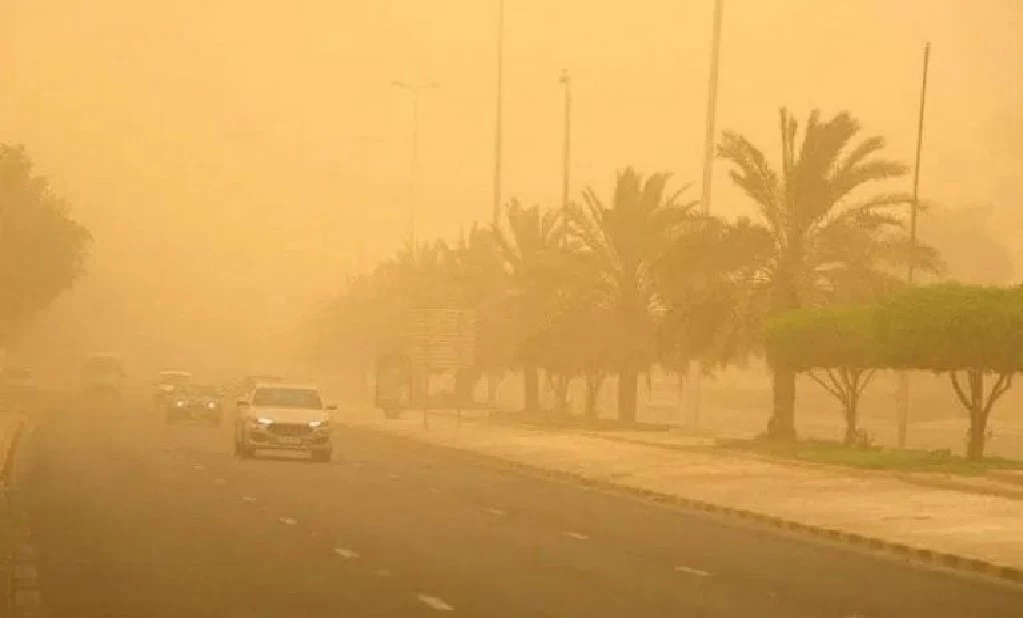
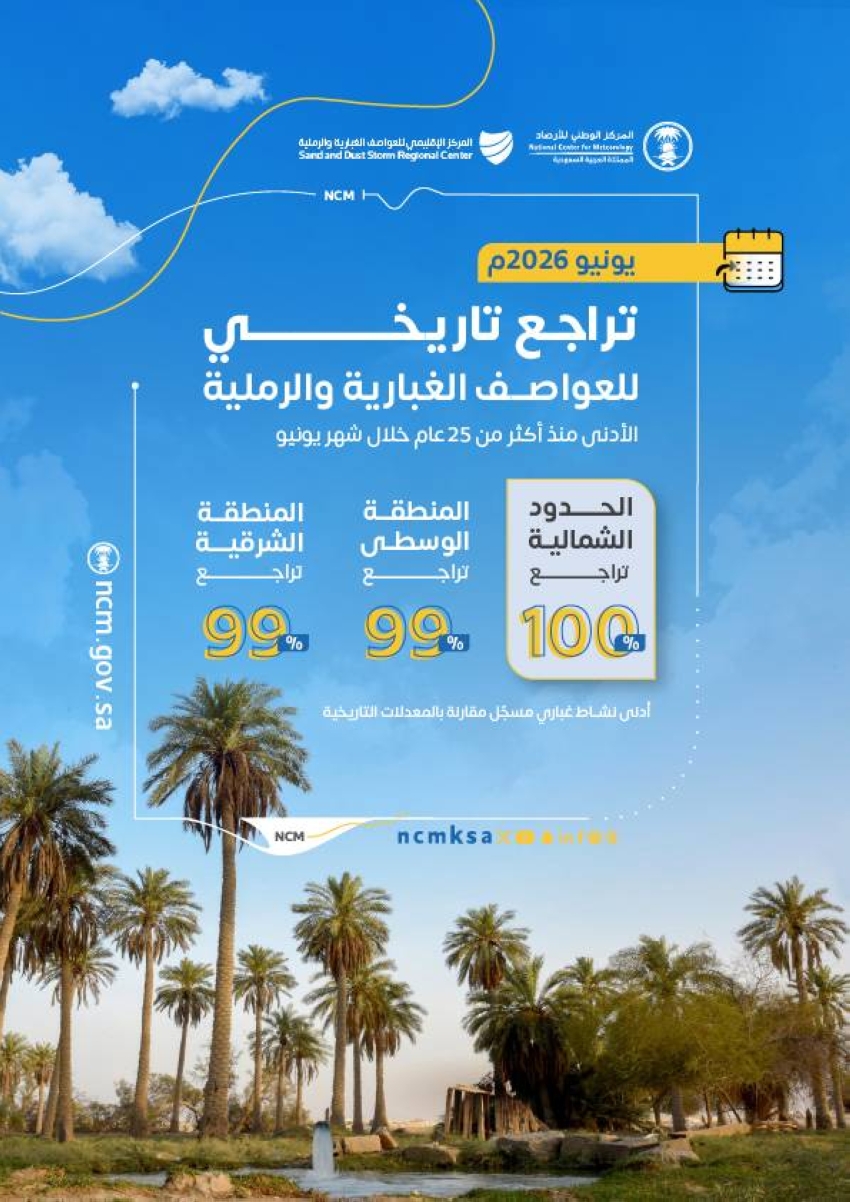
سجلت السعودية انحسارًا شبه صفري للعواصف الغبارية والرملية خلال في يونيو 2026، في أدنى معدل تاريخي منذ أكثر من 25 عامًا، بانخفاض بلغ 99% مقارنةً بالمعدلات التاريخية طبقا للرئيس التنفيذي للمركز الوطني للأرصاد والمشرف العام على المركز الإقليمي للعواصف الغبارية والرملية الدكتور أيمن غلام. وسجلت منطقة الحدود الشمالية انحسارًا كاملًا بنسبة 100%، ما يعكس التحسن الملحوظ في جودة الأجواء وتراجع الظواهر الغبارية.
واشار تقرير صادر من المركز الإقليمي للعواصف الغبارية والرملية لشهر يونيو. إلى أن المنطقة الوسطى سجلت انخفاضًا بنسبة 99%، وشمل الانخفاض الرياض والقصيم والخرج، فيما سجلت المنطقة الشرقية النسبة ذاتها، وشمل الانخفاض الأحساء والدمام والظهران. وأظهرت البيانات المسجلة خلال يونيو وصول النشاط الغباري إلى أدنى مستوياته مقارنةً بالمعدلات التاريخية، بالتزامن مع عدد من الجهود البيئية والمناخية التي تشهدها المملكة، وفي مقدمتها مبادرة السعودية الخضراء، وبرنامج استمطار السحب، وتحسن الغطاء النباتي، وتنظيم الرعي، إلى جانب ضعف الجبهات الهوائية المسببة لإثارة الأتربة والغبار خلال الفترة نفسها، مما يعكس تحسنًا واضحًا في الحالة الجوية.
ويتابع المركز الإقليمي للعواصف الغبارية والرملية أعمال الرصد والمتابعة وتحليل المؤشرات المكانية والزمانية لظواهر الغبار، من خلال منظومة متقدمة للرصد والتنبؤ تشمل بيانات الأقمار الصناعية، وأنظمة رصد الهباء الجوي، ونماذج عددية متقدمة لتوقع انتشار الغبار، وأجهزة حديثة لجمع عينات الغبار وتحليلها، إلى جانب بوابة إلكترونية متخصصة للبيانات والأبحاث. وأشار المركز إلى أن هذه الممكنات تدعم تطوير خدمات الرصد والتنبؤ والإنذار المبكر على المستويين الإقليمي والدولي، وتسهم في دعم الجهات المعنية، وتعزيز الاستعداد للتقلبات الجوية، والحد من آثار العواصف الغبارية والرملية على الصحة والبيئة والأنشطة الاقتصادية.
Saudi Arabia recorded a nearly zero decline in dust and sand storms during June 2026, marking the lowest historical rate in over 25 years, with a decrease of 99% compared to historical averages, according to the CEO of the National Center for Meteorology and the General Supervisor of the Regional Center for Dust and Sand Storms, Dr. Ayman Ghulam. The Northern Borders region recorded a complete decline of 100%, reflecting a noticeable improvement in air quality and a decrease in dust phenomena.
A report issued by the Regional Center for Dust and Sand Storms for June indicated that the central region recorded a 99% decrease, including Riyadh, Qassim, and Al-Kharj, while the Eastern region recorded the same percentage, including Al-Ahsa, Dammam, and Dhahran. The data recorded during June showed that dust activity reached its lowest levels compared to historical averages, coinciding with several environmental and climatic efforts taking place in the Kingdom, foremost among them the Saudi Green Initiative, the cloud seeding program, improved vegetation cover, and regulated grazing, along with weak air fronts causing dust and sand disturbances during the same period, reflecting a clear improvement in weather conditions.
The Regional Center for Dust and Sand Storms continues to monitor and analyze the spatial and temporal indicators of dust phenomena through an advanced monitoring and forecasting system that includes satellite data, aerosol monitoring systems, advanced numerical models for predicting dust spread, modern devices for collecting and analyzing dust samples, in addition to a specialized electronic portal for data and research. The center noted that these capabilities support the development of monitoring, forecasting, and early warning services at both regional and international levels, contributing to supporting relevant authorities, enhancing preparedness for weather fluctuations, and mitigating the impacts of dust and sand storms on health, the environment, and economic activities.
المصدر الأصلي: عكاظ


التعليقات (0)
كن أول من يعلّق.