حل لغز أحد أغرب هياكل مجرة درب التبانة
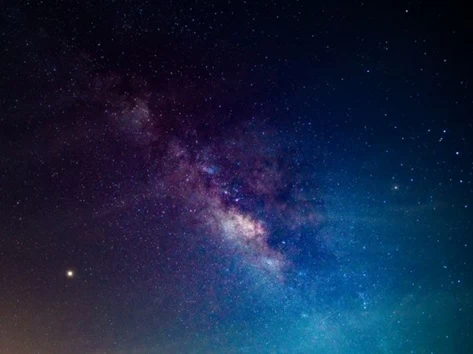
بعد عقود من الغموض، نجح علماء فلك في فك لغز أحد أكثر الهياكل إثارة للحيرة في صور مجرة درب التبانة، بعدما كشفت دراسة حديثة أن الجسم الذي ظن العلماء طويلاً أنه فص ضخم يمتد من قلب المجرة لم يكن موجوداً في موقعه كما كان يُعتقد.
منذ ما يقرب من أربعين عامًا، أثار هيكل غامض ظهر في الصور الراديوية كحلقة عملاقة تشبه الشارب فوق مركز المجرة حيرة العلماء، وأدى إلى تفسيرات متعددة حول طبيعته وأصله.
يُعد مركز مجرة درب التبانة منطقة مليئة بالألغاز العلمية، حيث تتفاعل فيها الظواهر الكونية المعقدة.
وخلال السنوات الماضية، راوحت الفرضيات بين احتمال كونه بقايا انفجار نجمي هائل، أو أثراً لنشاط قديم صادر عن المنطقة المحيطة بالثقب الأسود في مركز مجرة درب التبانة، حتى أصبح مثالاً على صعوبة تفسير الظواهر الكونية المعقدة بسبب تعدد الاحتمالات العلمية.
لكن بحثًا جديدًا قلب المفاهيم، مؤكدًا أن هذا الهيكل ليس في مركز المجرة، بل أقرب إلى الأرض بمسافة 6520 سنة ضوئية فقط، بينما يبعد مركز درب التبانة نحو 26 ألف سنة ضوئية.
وبحسب النتائج الجديدة، فإن الجسم الغامض ليس بقايا انفجار كوني ضخم مرتبط بالثقب الأسود المركزي، بل هو على الأرجح حلقة مغلقة من غاز الهيدروجين تشكلت بفعل نشاط نجمي قديم، وتوهجت نتيجة تعرضها لإشعاع فوق بنفسجي قوي.
وأطلق الباحثون على هذا الهيكل وصفًا جديدًا يعبر عن عقود من الحيرة والتساؤلات، مشيرين إلى التعقيد الذي أحاط بتحديد طبيعته الحقيقية.
وجاء الالتباس بسبب موقعه داخل مجرة درب التبانة، حيث تتداخل طبقات كثيفة من النجوم والغاز والغبار على خط الرؤية باتجاه مركز المجرة، ما صعّب عملية تحديد المسافة الحقيقية للجسم وشكله الفعلي.
كما ساهم اندماج الجزء السفلي من الحلقة مع خلفية مستوى المجرة في الصور الراديوية في ظهورها وكأنها مفتوحة من جهة المركز، بينما هي في الواقع بنية حلقية مكتملة.
ويرجح العلماء أن هذه الحلقة الغازية العملاقة تكونت نتيجة نشاط جيل سابق من النجوم الضخمة التي نشأت في منطقة واحدة لتكوين النجوم، إلا أن طبيعة النجوم المسؤولة بشكل مباشر عن تكوينها لا تزال بحاجة إلى مزيد من البحث والدراسة.
After decades of mystery, astronomers have succeeded in unraveling one of the most puzzling structures in images of the Milky Way galaxy, after a recent study revealed that the object long thought to be a massive lobe extending from the heart of the galaxy was not located where it was believed to be.
This mysterious structure, which appeared in radio images as a giant ring resembling a mustache or a lobe extending above the center of the galaxy, has baffled researchers since its discovery nearly four decades ago, opening the door to many interpretations regarding its nature and origin.
Over the past years, hypotheses ranged from the possibility of it being the remnants of a massive stellar explosion, to a relic of ancient activity emanating from the region surrounding the black hole at the center of the Milky Way, becoming an example of the difficulty in explaining complex cosmic phenomena due to the multitude of scientific possibilities.
However, a recent study presented a completely different perspective, concluding that this structure does not lie at the center of the galaxy, but is much closer to Earth, being about 6,520 light-years away, compared to the center of the Milky Way, which is located approximately 26,000 light-years away.
According to the new findings, the mysterious object is not the remnants of a massive cosmic explosion related to the central black hole, but is most likely a closed ring of hydrogen gas formed by ancient stellar activity, glowing due to exposure to strong ultraviolet radiation.
The researchers proposed a new description for this structure that reflects the years of confusion surrounding its study, indicating the complexity that made determining its nature take all this time.
The confusion arose due to its location within the Milky Way galaxy, where dense layers of stars, gas, and dust overlap along the line of sight toward the center of the galaxy, complicating the process of determining the true distance and actual shape of the object.
The merging of the lower part of the ring with the background of the galactic plane in radio images contributed to its appearance as if it were open from the center, while in reality, it is a complete ring structure.
Scientists believe that this giant gaseous ring formed as a result of the activity of a previous generation of massive stars that originated in a single star formation region, but the nature of the stars directly responsible for its formation still requires further research and study.
هذه النتائج تسلط الضوء على أهمية إعادة تقييم الهياكل الكونية البعيدة، وتبرز كيف يمكن للتقدم التكنولوجي أن يصحح مفاهيم سابقة. ويبقى السؤال حول طبيعة النجوم التي شكلت هذه الحلقة الغازية مفتوحًا لمزيد من الدراسات، مما يعزز دور المراصد الفلكية الحديثة في كشف أسرار الكون.
المصدر الأصلي: عكاظ



التعليقات (0)
كن أول من يعلّق.