ملاحقة قانونية للشهادات «المضروبة».. الإطاحة بـ 16 شهادة هندسية «غير صحيحة»
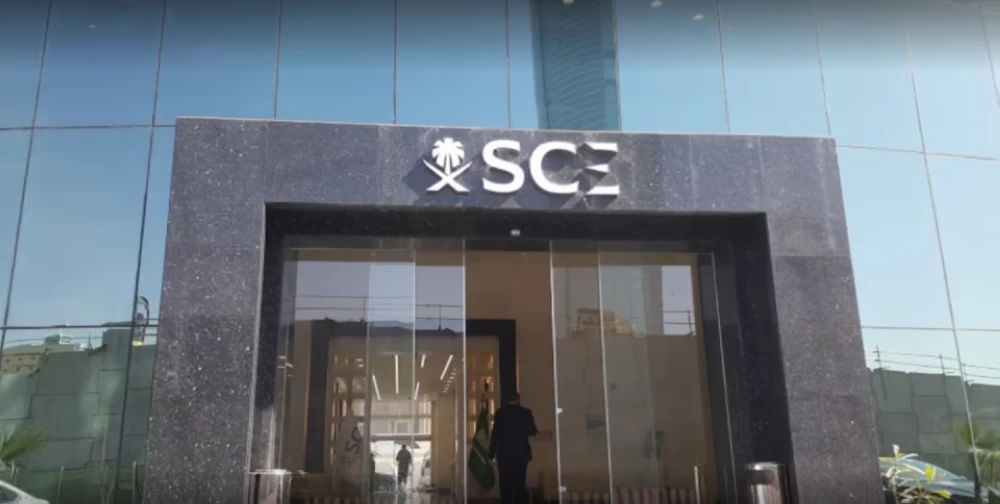
ضبطت الهيئة السعودية للمهندسين 16 شهادة «غير صحيحة» وقررت إحالتها إلى الجهة المختصة لاستكمال الإجراءات القانونية. ووفقاً للهيئة، فإن الشهادات غير الصحيحة توزعت في 5 حالات هندسة ميكانيكية، 4 حالات في هندسة مدنية، حالتين في هندسة كهربائية وإلكترونية، وحالة واحدة في أجهزة القياس وهندسة التحكم، و4 شهادات في الحاسب الآلي. وشاركت في عملية الرصد «مصادقة»، المتخصصة في أعمال التحقق من صحة المؤهلات المقدمة للتسجيل والاعتماد المهني.يشار إلى أن الهيئة السعودية للمهندسين، هيئة علمية مهنية تهدف إلى النهوض بمه…
أسفرت جهود الهيئة السعودية للمهندسين عن رصد 16 شهادة هندسية غير صحيحة، وتم إحالتها إلى الجهات المعنية لاتخاذ الإجراءات القانونية اللازمة. وأوضحت الهيئة أن هذه الشهادات المزيفة توزعت على تخصصات متعددة: خمس حالات في الهندسة الميكانيكية، وأربع في الهندسة المدنية، وحالتان في الهندسة الكهربائية والإلكترونية، وحالة واحدة في أجهزة القياس وهندسة التحكم، وأربع شهادات في مجال الحاسب الآلي. وقد ساهمت منصة "مصادقة"، المتخصصة في التحقق من صحة المؤهلات، في عملية الرصد.
يأتي هذا الكشف في إطار جهود الهيئة المستمرة لتعزيز نزاهة المهنة وضمان جودة الممارسة الهندسية في المملكة.
تُعنى الهيئة السعودية للمهندسين، باعتبارها هيئة علمية مهنية، بالارتقاء بمهنة الهندسة، وتضع الأسس والمعايير لمزاولتها وتطويرها، بما في ذلك شروط الترخيص، والاختبارات اللازمة لنيل الدرجات المهنية، وإعداد الدراسات والأبحاث، وتنظيم الدورات والندوات والمؤتمرات، وتقديم الاستشارات الفنية ضمن اختصاصها وفق الضوابط المعتمدة من مجلس إدارتها.
أسفرت جولات رقابية مكثفة قامت بها الهيئة سابقاً عن ضبط 894 مخالفة فردية و 17 منشأة مخالفة، خلال زيارات لأكثر من 20 شركة في قطاعات متنوعة كالمقاولات والعقود المتكاملة وإدارة المشاريع. وشملت الجولات مراجعة أوضاع أكثر من 5200 ممارس للتأكد من نظامية مزاولتهم للمهنة ومدى التزامهم بالاعتماد المهني، وتمثلت أبرز المخالفات في مزاولة العمل الهندسي دون اعتماد سارٍ، وتشغيل ممارسين غير معتمدين، والاستمرار في العمل بعد انتهاء صلاحية الاعتماد.
The Saudi Council of Engineers has detected 16 "invalid" certificates and decided to refer them to the relevant authority to complete the legal procedures. According to the Council, the invalid certificates were distributed across 5 cases in mechanical engineering, 4 cases in civil engineering, 2 cases in electrical and electronic engineering, 1 case in measurement and control engineering, and 4 certificates in computer science. The verification process was supported by "Musaadqa," which specializes in verifying the validity of qualifications submitted for registration and professional accreditation.
It is worth noting that the Saudi Council of Engineers is a scientific and professional body aimed at advancing the engineering profession. It is responsible for establishing the foundations and standards for practicing the profession and its development, including licensing conditions, setting rules and necessary tests for obtaining professional degrees, preparing studies and research, organizing courses, and holding seminars and conferences related to the profession, as well as providing technical advice in its field of expertise according to the regulations approved by the Council's Board of Directors.
Intensive regulatory rounds previously conducted by the Council revealed 894 individual violations, along with the monitoring of 17 non-compliant establishments, during visits that included more than 20 companies across various sectors, including contracting, integrated contracts, and project management. The rounds included reviewing the status of more than 5,200 practitioners to verify the legality of their practice of the profession and their compliance with obtaining professional accreditation. The most notable violations included practicing engineering work without a valid accreditation, employing unaccredited practitioners, and continuing to work after the expiration of accreditation.
وتؤكد هذه الإجراءات حرص الهيئة على حماية المجتمع من الممارسات غير النظامية التي قد تهدد سلامة المنشآت والأرواح. كما تعكس أهمية التحقق من المؤهلات المهنية في ظل تزايد حالات التزوير، مما يستدعي تعزيز آليات الرقابة والتدقيق. ومن المتوقع أن تمتد التدقيقات لتشمل قطاعات أخرى لضمان الالتزام بالمعايير الهندسية المعتمدة.
المصدر الأصلي: عكاظ





التعليقات (0)
كن أول من يعلّق.