ارتفاع نسبة تملك المساكن في السعودية إلى 66.24% مع تقدم المملكة في التنمية الحضرية المستدامة

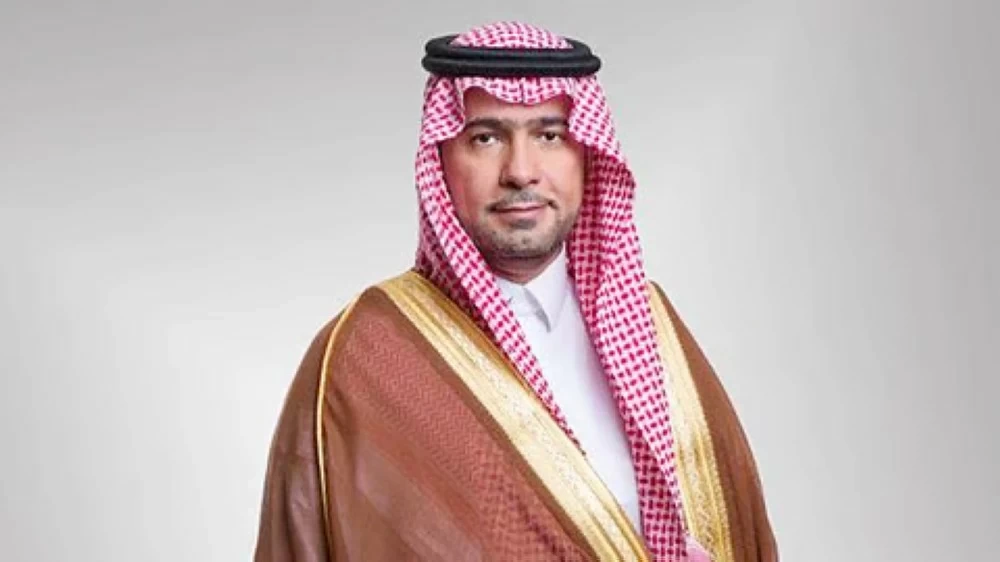
نيويورك — قال وزير البلديات والإسكان ماجد الحقيل إن نسبة تملك المساكن في المملكة العربية السعودية ارتفعت من 47% في عام 2016 إلى 66.24% بنهاية عام 2025، مما يقترب من هدف رؤية 2030 البالغ 70%. وأضاف الحقيل، خلال كلمة المملكة في الاجتماع رفيع المستوى للجمعية العامة للأمم المتحدة حول جدول الأعمال الحضري في نيويورك، أن المملكة أنشأت نموذجًا متقدمًا للتنمية الحضرية المستدامة، منتقلة من التخطيط وصنع السياسات إلى التنفيذ والأثر القابل للقياس. وأضاف...
Saudi homeownership rises to 66.24% as Kingdom advances sustainable urban development
Published: July 17, 2026, at 5:41 PM
Homeownership is a key indicator of Saudi Arabia's Vision 2030 social and economic transformation agenda.
July 17, 2026 | 05:41 PM
Last Updated: July 17, 2026 | 05:41 PM

3 minute read
AA
Resize

Saudi Arabia's homeownership rate climbed from 47% in 2016 to 66.24% by the end of 2025, edging closer to the Vision 2030 goal of 70%, Minister of Municipalities and Housing Majed Al-Hogail announced.
Speaking during Saudi Arabia's address at the UN General Assembly High-Level Meeting on the Urban Agenda in New York, Al-Hogail said the Kingdom has established an advanced model for sustainable urban development, moving from planning and policymaking to implementation and measurable impact.
He said Saudi Arabia had submitted its updated 2026 national report to UN-Habitat, documenting the urban transformation achieved in recent years and highlighting the expansion of implementation and tangible results.
Al-Hogail said more than 25% of Saudi families benefited from housing support services between 2018 and 2025.
Urban development indicators have also recorded significant progress, with public space per capita increasing from 5.2 square meters to 6.9 square meters. The Bahja program has added more than 12 million square meters of community spaces.
The Riyadh Metro recorded more than 100 million passengers during its first nine months of operation, while urban bus services carried more than 96.8 million passengers in 2025, reflecting improvements in urban mobility and quality of life.
Al-Hogail said Saudi Arabia's urban transformation has also extended to social development. Women's labor force participation increased from 22.8% to 36%, while the employment rate of people with disabilities doubled.
The number of nonprofit organizations exceeded 7,213, representing growth of more than 341% and reflecting increased community participation in the Kingdom's development.
Saudi Arabia is also strengthening urban governance through greater financial autonomy for municipalities, integration of urban data and the incorporation of climate risk assessments into urban planning.
The Kingdom continues to implement the Saudi Green Initiative and the National Renewable Energy Program to enhance the sustainability and resilience of its cities, Al-Hogail said.
Partnerships and investment have played a central role in the transformation, with Saudi Arabia signing more than 56 public-private partnership agreements supporting infrastructure and municipal services.
The Kingdom has also signed a strategic cooperation agreement with UN-Habitat and the United Nations Development Programme for 2024-2027.
Al-Hogail noted that Saudi Arabia issued $9.1 billion in green bonds and sustainable sukuk in 2024, while the Public Investment Fund's green finance framework carries commitments exceeding $10 billion by 2026.
He reaffirmed Saudi Arabia's commitment to supporting the objectives of the New Urban Agenda, strengthening international cooperation and expanding access to sustainable financing to build more inclusive and sustainable cities and enhance quality of life for future generations.
The steady rise in homeownership underscores the success of government housing initiatives and financial support schemes. Saudi Arabia's focus on sustainable urban development also includes expanding public transport and green spaces, as seen in the Riyadh Metro's passenger numbers and the Bahja program's community spaces. Continued progress toward the 70% target is anticipated as new housing projects and urban improvements are rolled out.
المصدر الأصلي: Saudi Gazette



التعليقات (0)
كن أول من يعلّق.