كيف اختفت 45 ملياراً من مصرف عراقي؟
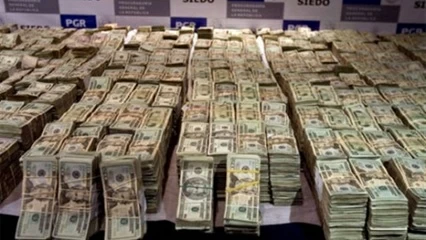
في واحدة من أكثر قضايا الفساد المالي غرابة وتعقيداً، تكشفت تفاصيل جديدة حول اختفاء أكياس من الأموال تُقدر بـ 35 إلى 45 مليار دينار عراقي من فرع مصرف بيجي بمحافظة صلاح الدين العراقية عام 2014. قضيةٌ بدأت برواية «اختطاف وسطو مسلّح» عشية اجتياح تنظيم «داعش» للمدينة، لتتحول بعد سنوات إلى خيط يحل شفرة صفقات شراء المناصب وتوسيع النفوذ داخل مؤسسات رسمية رفيعة المستوى.وبحسب وسائل إعلام عراقية، تعود بداية القصة إلى عام 2014، وقبيل ساعات من سقوط مدينة بيجي:نقل المليارات: أقدم مدير المصرف آنذاك (ع.ق) على ج…
في واحدة من أغرب وأعقد فضائح الفساد المالي، تظهر معطيات جديدة عن اختفاء أكياس تحوي ما بين 35 و45 مليار دينار عراقي من فرع مصرف بيجي في محافظة صلاح الدين عام 2014. القضية التي انطلقت برواية «خطف وهجوم مسلح» عشية سيطرة تنظيم «داعش» على المدينة، تحولت بعد سنوات إلى خيط يكشف تفاصيل شراء المناصب وتمدد النفوذ داخل مؤسسات رسمية عليا.
وتسلط هذه القضية الضوء على حجم الفساد المستشري في المؤسسات المالية العراقية، خاصة في ظل الظروف الأمنية المضطربة.
ووفقاً لوسائل إعلام عراقية، تعود جذور القصة إلى عام 2014، قبل ساعات قليلة من سقوط مدينة بيجي بيد التنظيم.
- نقل المليارات: أقدم مدير المصرف آنذاك (ع.ق) على جمع المبالغ المالية الضخمة ونقلها برفقة أحد أقاربه (ع.ج) وآخرين، مغادراً المبنى قبل وصول عناصر التنظيم الإرهابي.
- خدعة الاختطاف: سلّم المدير نفسه لاحقاً للسلطات في بغداد، مدعياً أن التنظيم استولى على الأموال بعد اختطافه واحتجازه.
- شهادة الحرفي: أدلى موظف بسيط كان يعمل بصفة «حرفي» يُدعى (ن.ع) بشهادة أمام القضاء أكد فيها صحة ادعاءات المدير، ليتم بناءً عليها تبرئة المتهم وإغلاق الملف قضائياً بداعي «الظروف القاهرة».
أفادت مصادر صحفية عراقية أن المليارات المفقودة لم تتبخر في غبار الحرب، بل تم تسريبها إلى السوق السوداء لشراء نفوذ ومناصب إدارية داخل شبكة مصرفية ونفطية.
- ترقيات قياسية: أُسندت للمدير المبرَّأ (ع.ق) إدارة فرع مصرف الرافدين في بيجي، قبل أن يُترقى لمنصب مندوب المنطقة الشمالية المشرف على 22 فرعاً مصرفياً.
- مكافأة الشاهد: الموظف الحرفي صاحب الشهادة (ن.ع) تم ترقيته بشكل خاطف لتولي إدارة فرع المصرف خلفاً لمديره السائق.
- إتاوات وعقود نفطية: فرضت المجموعة رسوماً غير قانونية بلغت 350 ألف دينار عن كل حوالة مصرفية، فيما تُشير المعطيات إلى استخدام جزء من الأموال لشراء منصب قيادي في إحدى المؤسسات النفطية لضمان نسب ثابتة من العقود.
وقالت وسائل إعلام عراقية إن الجريمة «لم تكن مجرد سرقة للخيرات في ظل الحرب، بل كانت صك دخول لطبقة المسؤولين، حيث تُقطع النسب من العقود وتفرض الإتاوات على الحوالات لإدامة أمد النفوذ». وعلى الرغم من التغييرات الإدارية التي شهدها مصرف الرافدين بين عامي 2024 و2025 وتشكيل لجان وزارية للمراجعة:
- المصادقة الرسمية: أوصت اللجان بنقل (ن.ع) ليكون مندوباً للمنطقة الشمالية، ونقل (ع.ق) لإدارة فرع نينوى، وهي توصيات صادق عليها وزير المالية رسمياً خلال عام 2025.
- استمرار الآلية: تؤكد وسائل إعلام عراقية أن المتورطين لا يزالون يمارسان مهماتهم ويحققون مكاسب مالية من عمولات الحوالات وإدارة العقود حتى الساعة.
- مطالبات القضاء: ووفقاً لما نشرته وسائل الإعلام العراقية فإن هذه المعطيات تبقى بلاغاً مفتوحاً ينتظر تحرك الأجهزة الرقابية والقضائية المختصة للتدقيق ومحاسبة المتورطين.
In one of the strangest and most complex financial corruption cases, new details have emerged regarding the disappearance of bags of money estimated at 35 to 45 billion Iraqi dinars from the Baiji branch of the Iraqi Bank in Salah al-Din province in 2014. This case began with a narrative of "kidnapping and armed robbery" on the eve of the ISIS invasion of the city, only to evolve over the years into a thread that unravels the code of buying positions and expanding influence within high-level official institutions.
According to Iraqi media, the story dates back to 2014, just hours before the fall of the city of Baiji:
- Transfer of billions: The bank manager at the time (A.Q) gathered the large sums of money and transferred them along with a relative (A.J) and others, leaving the building before the arrival of the terrorist organization’s members.
- Kidnapping ruse: The manager later surrendered to the authorities in Baghdad, claiming that the organization seized the money after kidnapping and detaining him.
- Craftsman’s testimony: A simple employee who worked as a "craftsman" named (N.A) testified in court confirming the manager's claims, which led to the acquittal of the accused and the closure of the case on the grounds of "force majeure."
Iraqi journalistic sources revealed that the missing billions did not vanish with the dust of war but were recycled in the black market to buy influence and administrative positions within a banking and oil network:
- Record promotions: The acquitted manager (A.Q) was assigned to manage the Rafidain Bank branch in Baiji, before being promoted to the position of representative for the northern region overseeing 22 bank branches.
- Witness reward: The craftsman employee who provided the testimony (N.A) was swiftly promoted to manage the bank branch, succeeding his manager who was a driver.
- Bribes and oil contracts: The group imposed illegal fees amounting to 350,000 dinars for each bank transfer, while data indicates that part of the money was used to purchase a leadership position in one of the oil institutions to ensure fixed percentages from contracts.
Iraqi media stated that the crime "was not just a theft of resources amid war, but a ticket for entry into the class of officials, where percentages are cut from contracts and bribes are imposed on transfers to sustain the influence." Despite the administrative changes witnessed by the Rafidain Bank between 2024 and 2025 and the formation of ministerial committees for review:
- Official endorsement: The committees recommended transferring (N.A) to be the representative for the northern region, and transferring (A.Q) to manage the Ninawa branch, recommendations that were officially endorsed by the Minister of Finance in 2025.
- Continuing the mechanism: Iraqi media confirms that those involved are still carrying out their duties and making financial gains from transfer commissions and contract management to this day.
- Judicial demands: According to what Iraqi media has published, this information remains an open report awaiting action from the relevant regulatory and judicial authorities to audit and hold the involved parties accountable.
وتثير الواقعة تساؤلات حول مدى فعالية الرقابة المصرفية في العراق، خاصة بعد التغييرات الإدارية في مصرف الرافدين بين 2024 و2025. كما تكشف كيف يمكن للصراعات السياسية والأمنية أن توفر غطاءً لعمليات نهب منظمة للأموال العامة. ويبقى الملف مفتوحاً بانتظار نتائج التحقيقات البرلمانية والقضائية.
المصدر الأصلي: عكاظ


التعليقات (0)
كن أول من يعلّق.