المملكة العربية السعودية تسجل أدنى مستويات العواصف الترابية منذ أكثر من 25 عامًا

الرياض — سجلت المملكة العربية السعودية أدنى مستوى لنشاط العواصف الترابية والرملية منذ أكثر من 25 عامًا خلال يونيو 2026، حيث انخفضت أحداث الغبار بنسبة 99% عن المتوسطات التاريخية، وفقًا للمركز الوطني للأرصاد (NCM). وقال المركز إن يونيو شهد غيابًا شبه كامل للعواصف الترابية والرملية في جميع أنحاء المملكة، مما يمثل أدنى مستوى مسجل منذ بدء المراقبة قبل أكثر من عقدين. وقال الرئيس التنفيذي للمركز الدكتور أيمن غلام إن النتائج استندت إلى تقرير يونيو هو...
Saudi Arabia records lowest dust storm levels in more than 25 years
July 12, 2026 | 09:21 PM
The NCM said June saw an almost complete absence of dust and sandstorms across the Kingdom.
July 12, 2026 | 09:21 PM
Last Updated: July 12, 2026 | 09:21 PM

3 minute read
AA
Resize

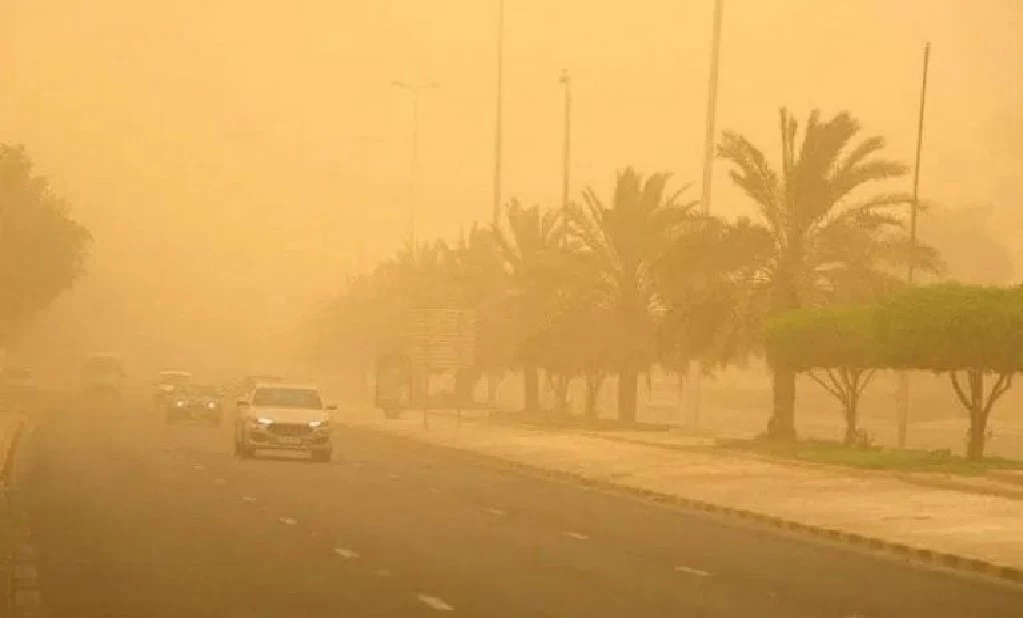
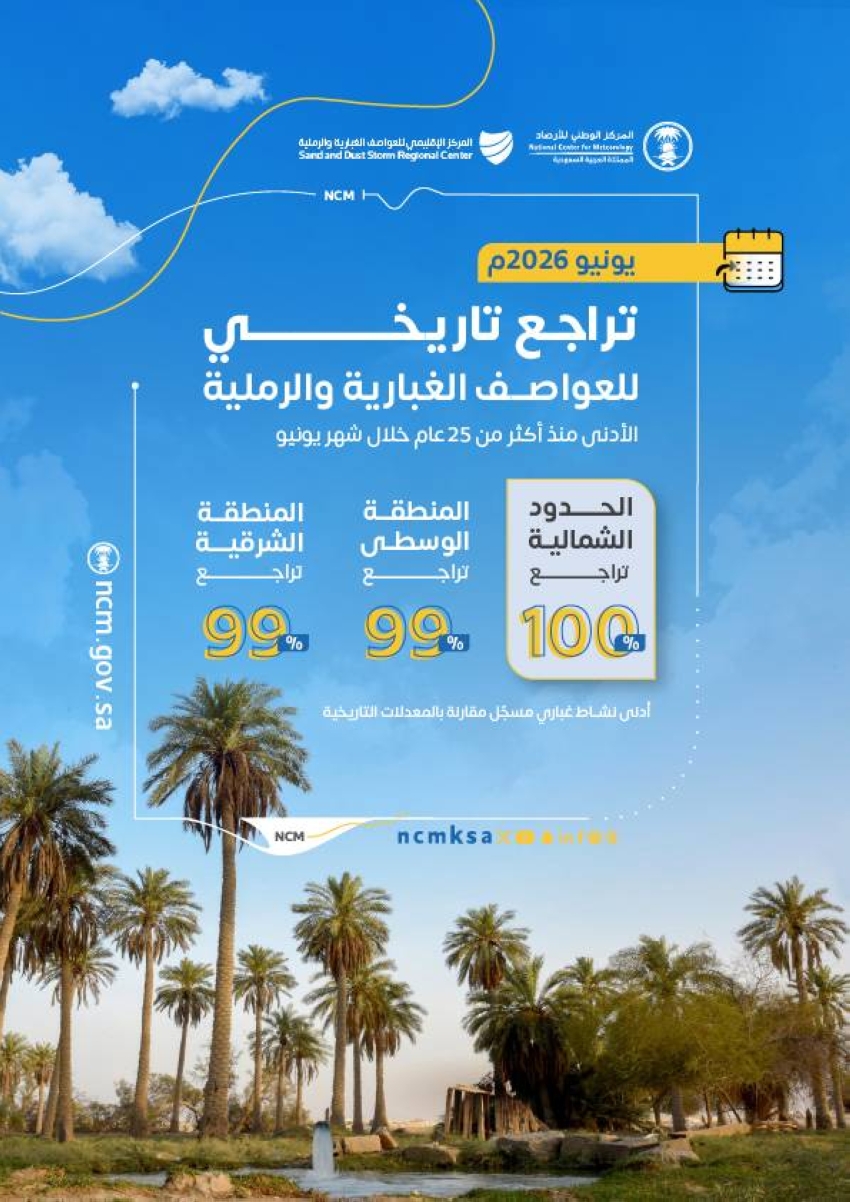
RIYADH — Saudi Arabia recorded its lowest level of dust and sandstorm activity in more than 25 years during June 2026, with dust events falling 99% below historical averages, according to the National Center for Meteorology (NCM).
The NCM said June saw an almost complete absence of dust and sandstorms across the Kingdom, marking the lowest level recorded since monitoring began more than two decades ago.
NCM Chief Executive Officer Dr. Ayman Ghulam said the findings were based on the June report issued by the Regional Center for Sand and Dust Storms.
According to the report, the Northern Borders region recorded a 100% decline in dust storm activity, while central Saudi Arabia, including Riyadh, Qassim and Al Kharj, recorded a 99% decrease. The Eastern Province, including Al Ahsa, Dammam and Dhahran, also registered a 99% decline.
The center attributed the sharp reduction to several environmental and climatic factors, including the Saudi Green Initiative, the Kingdom's cloud seeding program, improved vegetation cover, better grazing management, and weaker weather fronts that typically generate dust and sandstorms during the period.
The Regional Center for Sand and Dust Storms continues to monitor and analyze dust activity using advanced forecasting and observation systems, including satellite data, AERONET aerosol monitoring, LiDAR technology, numerical forecasting models, and specialized dust sampling and analysis equipment.
The center said these capabilities strengthen early warning services, improve forecasting accuracy, support relevant authorities, and help reduce the impact of dust storms on public health, the environment, and economic activities.
المصدر الأصلي: Saudi Gazette



التعليقات (0)
كن أول من يعلّق.