مودي يعلن محاكم سريعة لقضايا تسريب الامتحانات وسط احتجاجات شبابية غير مسبوقة
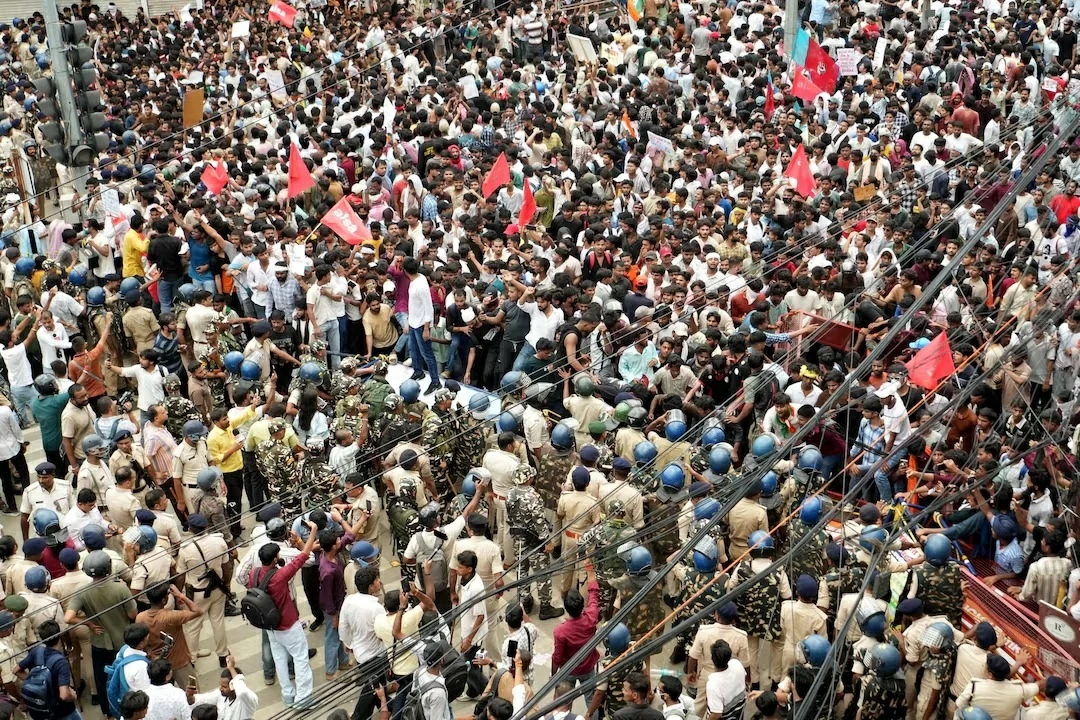
أقر رئيس الوزراء الهندي ناريندرا مودي بإجراءات عاجلة لمواجهة تسريبات الامتحانات، فيما يرفض المحتجون ومطالبهم باستقالة وزير التعليم، وتستمر المواجهات في نيودلهي.
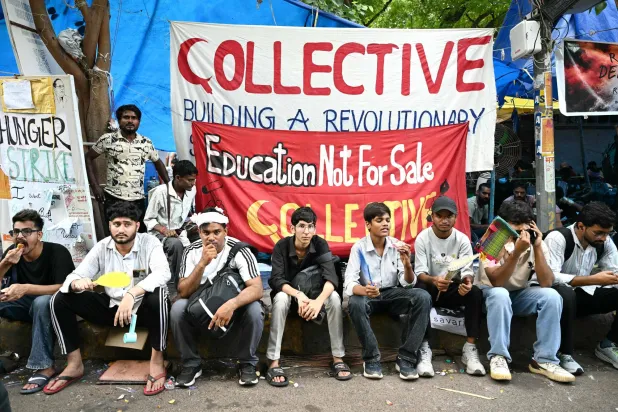
أعلن ناريندرا مودي، رئيس وزراء الهند، اليوم الخميس، عن تشكيل محاكم سريعة للبت في قضايا تسريب أسئلة الامتحانات، في أول تعليق له على الأزمة التي أثارت احتجاجات شبابية واسعة تطالب برحيل وزير التعليم دارمندرا برادان.
ويأتي إعلان مودي في ظل تصاعد احتجاجات غير مسبوقة من فئة الشباب، التي تشكل قاعدة دعمه الانتخابية الأساسية.

وأكد مودي في تغريدة على منصة «إكس» أن مستقبل الشباب أولوية قصوى، متوعداً المتورطين بعقوبات صارمة، قائلاً: «لن يفلت أي شخص يحاول الإضرار بمستقبل شبابنا من العقاب».
ورغم الإعلان، رفض المحتجون وأحزاب المعارضة المقترح، معتبرين أن الخطوة لا تعالج جذور الأزمة، وجددوا مطالبهم باستقالة وزير التعليم، فيما واصل نواب المعارضة تعطيل جلسات البرلمان لليوم الرابع على التوالي.
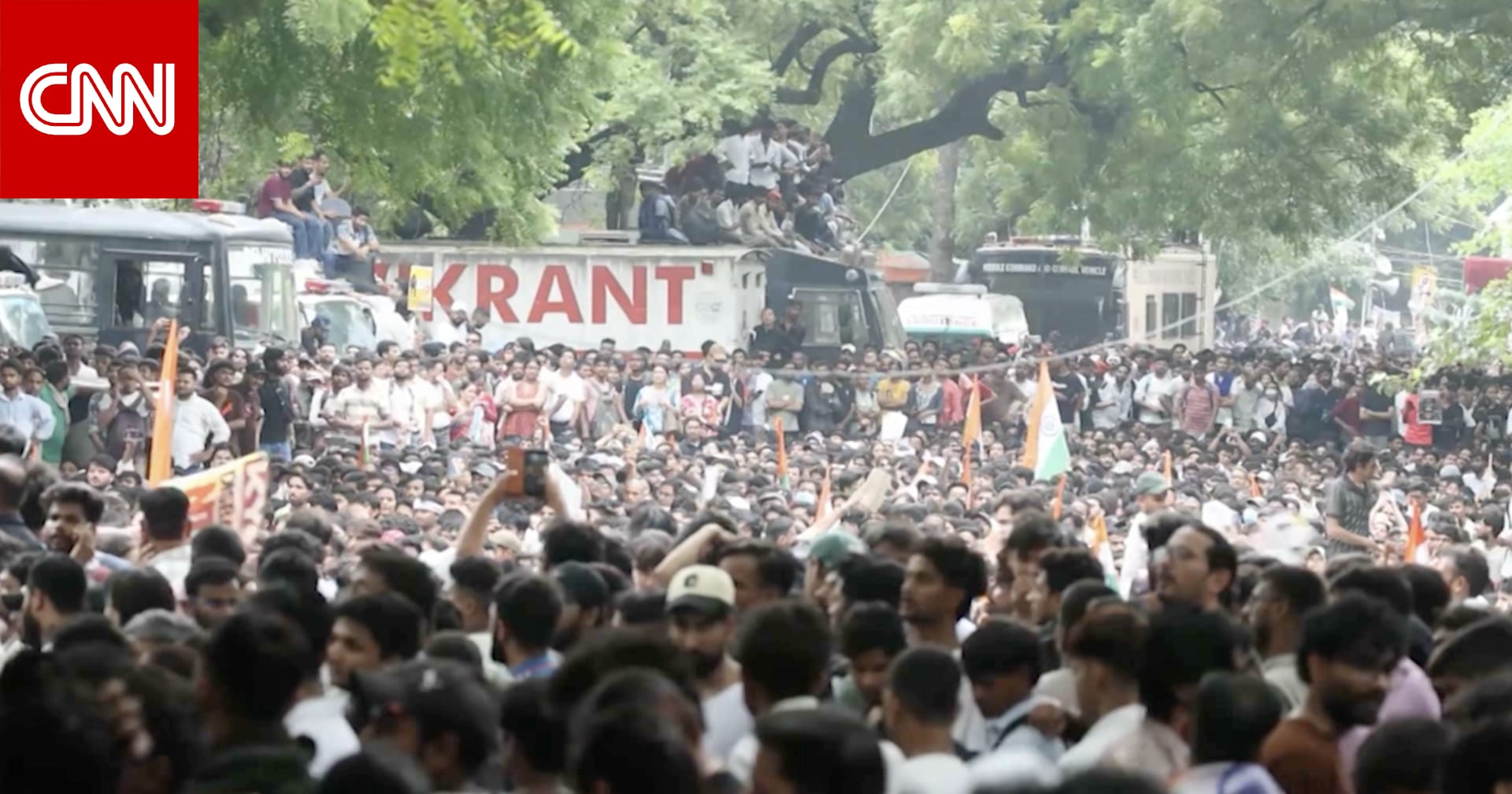
وفي العاصمة نيودلهي، شهدت احتجاجات مساء الأربعاء مواجهات بين المتظاهرين والشرطة التي استخدمت الغاز المسيل للدموع والهراوات، وسط تجمع أكثر من 10 آلاف شخص وإصابة عدد من أفراد الشرطة جراء رشقهم بالحجارة والزجاجات البلاستيكية.
وتُعد هذه الاحتجاجات أكبر تحدٍ شعبي يواجهه مودي من فئة الشباب منذ توليه السلطة عام 2014، كما تمثل أبرز أزمة سياسية خلال ولايته الثالثة التي بدأت في عام 2024.
وبحسب تقارير محلية، أثرت التسريبات على نحو مليوني طالب، وارتبطت بعدد من حالات الانتحار، مما زاد الغضب الشعبي.
وفي ظل استمرار الاحتجاجات، أعلنت هيئة مترو نيودلهي إغلاق 16 محطة في وسط العاصمة وحتى إشعار آخر لأسباب أمنية، بينما أكدت الحكومة أنها بدأت حواراً مع ممثلي المحتجين، وتعهدت بدراسة مطالبهم وإطلاق إصلاحات شاملة لنظام الامتحانات.
ويرى مراقبون أن تصاعد الاحتجاجات يعكس تنامي استياء الشباب من قضايا البطالة وتكرار تسريب الامتحانات، وهو ما منح أحزاب المعارضة فرصة جديدة للضغط على حكومة مودي، التي تعتمد بشكل كبير على دعم الناخبين الشباب.
Indian Prime Minister Narendra Modi announced today (Thursday) the establishment of fast-track courts to address cases of exam question leaks, marking his first public comment on the crisis that has sparked widespread protests led by youth demanding the resignation of Education Minister Dharmendra Pradhan.

Modi confirmed in a post on the "X" platform that the future of youth is a top priority, emphasizing that the government will take strict action against those involved in the exam leaks, stating: "No one who tries to harm the future of our youth will escape punishment."

Despite the announcement, protesters and opposition parties rejected the proposal, arguing that the step does not address the root causes of the crisis, and renewed their demands for the resignation of the Education Minister, while opposition MPs continued to disrupt parliamentary sessions for the fourth consecutive day.
On Wednesday evening, New Delhi witnessed limited clashes between demonstrators and police, who used tear gas and batons to disperse the protesters, while local media reported that more than 10,000 people gathered at the main protest site, with several police officers injured after being pelted with stones and plastic bottles.
These protests represent the largest popular challenge Modi has faced from the youth since he took office in 2014, and they constitute the most significant political crisis during his third term, which began in 2024.
The exam leaks have affected around two million students, and local reports have linked the crisis to several cases of suicide, which has intensified public anger.
As protests continue, the Delhi Metro Authority announced the closure of 16 stations in the city center until further notice for security reasons, while the government confirmed that it has begun dialogue with representatives of the protesters and pledged to consider their demands and implement comprehensive reforms to the examination system.
Observers believe that the escalation of protests reflects the growing discontent among youth regarding unemployment issues and the recurring exam leaks, which has provided opposition parties with a new opportunity to pressure Modi's government, which heavily relies on support from young voters.
وتثير الأزمة تساؤلات حول مستقبل نظام الامتحانات في الهند، حيث تكررت حالات التسريب في السنوات الأخيرة. وتحت ضغط الاحتجاجات، قد تضطر الحكومة إلى تقديم تنازلات أوسع. كما أن استمرار تعطيل البرلمان يعكس عمق الأزمة السياسية. وتعد هذه الاحتجاجات اختباراً لشعبية مودي بين الشباب قبل الانتخابات المقبلة.
المصدر الأصلي: عكاظ




التعليقات (0)
كن أول من يعلّق.