مضيق هرمز بين حرية الملاحة وادعاءات السيادة

يقضي القانون الدولي وقانون البحار وما هو متعارف عليه بين الدول وما يقر به النظام الدولي أن المضايق والممرات المائية الطبيعية مناطق مشاع استخدامها للجميع، كما هو حال المياه الدولية في أعالي البحار والفضاء الخارجي، ومناطق القارتين الشمالية والجنوبية المتجمّدتين. وليس لدولةٍ ما أو أي شخصية دولية اعتبارية أو خاصة أن تدعي السيادة عليها، بأي شكلٍ من الأشكال، لتمنع أو تحول دون أي قوة أو شخصية اعتبارية دولية أو خاصة من استخدامها، بالذات في أوقات السلم. أما المضايق والممرات المائية والمسطحات المائية التي…
مضيق هرمز بين حرية الملاحة وادعاءات السيادة
نشر في 21 يوليو 2026 الساعة 00:00، وآخر تحديث في 21 يوليو 2026 الساعة 00:00
يتناول المقال الجدل الدائر حول مضيق هرمز بين القانون الدولي ومحاولات إيران فرض السيادة عليه في ظل النزاع المسلح في الخليج.
--:--
ينص القانون الدولي وقانون البحار والعرف الدولي على أن المضايق والممرات المائية الطبيعية تعد مناطق مشاع يستخدمها الجميع، تماماً كالمياه الدولية في أعالي البحار والفضاء الخارجي ومنطقتي القطبين الشمالي والجنوبي. لا يحق لأي دولة أو كيان دولي ادعاء السيادة عليها بأي صورة كانت، لمنع أو عرقلة استخدام أي قوة أو كيان دولي أو خاص لها، خاصة في أوقات السلم. أما المضايق والمسطحات المائية التي تشترك فيها دولتان أو أكثر، كالأنهار والبحيرات والقنوات الاصطناعية، فلا تخضع للسيادة المطلقة لدولة واحدة، بل تنظمها اتفاقيات ومعاهدات دولية، مثل قناة السويس ومضيقي البسفور والدردنيل.
إن كان هناك من سيادة لدولة ما على سواحلها المتشاطئة مع بحار دولية.. أو محيطات في أعالي البحار، أو تلك التي تتقاسم إطلالة مباشرة على مضايق أو ممرات مائية دولية طبيعية، سواء بصورة حصرية بأن يَطْبّق إقليمها على ضفتي الممر أو المضيق المائي الطبيعي، فإن هذا الوضع الجيوسياسي، لا يخوّل هذه الدولة أو الدول الأخرى منع أو حرمان المرور في وقت السلم للدول الأخرى، بهدف عرقلة حركة التجارة الدولية.. أو فرض حصار على الدول المتشاطئة، لهذه المضايق الدولية والمسطحات المائية.
من هنا يمكن فهم الوضع الاستثنائي الذي نشأ حول مضيق هرمز بين الدول المتحاربة في الخليج العربي، حيث يحاول كل طرف استخدام المضيق كورقة ضغط لصالح جهوده الحربية، إما لمنع الخصم من ممارسة السيادة المزعومة أو لتقييد حرية الملاحة للأغراض السلمية أو الحربية. لا تمنع حالة الحرب الحالية من استغلال المضيق لأغراض استراتيجية، لكن حرية الملاحة البريئة قد لا تصمد أمام النزاع الدائر. في هذه الحالة، تصبح القوة وحدها هي الفيصل. ومع ذلك، تبقى الطبيعة القانونية للمضيق ثابتة في نظر قانون البحار والرأي العام العالمي، الذي سيتأقلم مع الحرب حتى وضع أوزارها.
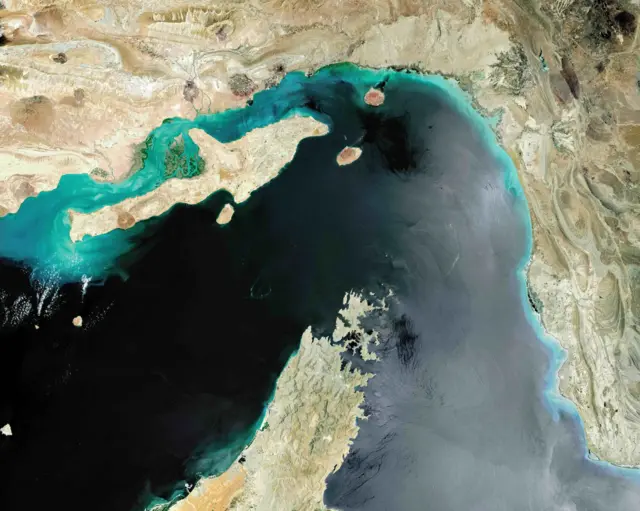
جيوسياسياً، تخدم وضعية المضيق الجيوسياسية مصلحة إدارة إيران للحرب، أكثر منها قدرة وإرادة الولايات المتحدة في تحدي الوضع الجيوسياسي للمضيق، الذي تضغط إيران لتفرضه، باعتباره ورقة ذات قيمة استراتيجية عالية في إدارة الحرب. الغريب هنا أن طهران تجادل بالسيادة على المضيق لتبرير منطق إغلاقه واستخدامه كسلاح في حربها مع الولايات المتحدة. طهران هنا: تتجاهل حقيقة أنه، حتى لو أخذنا بنظرية السيادة التي تزعمها، فإنها من الناحية الجيوسياسية، لا تتحكّم بصورة حصرية في السيادة على المضيق، إذ إن سلطنة عُمان تشاركها في الإطلالة على المضيق، من الناحية المقابلة (الغربية). كما أن سلطنة عُمان، وهي ليست طرفاً مباشراً في الحرب لا تشارك طهران في ادعاء السيادة على المضيق، وفي ظل عجز طهران الحقيقي عن تنفيذ وفرض ما يترتب عليها من ادعاءات السيادة على المضيق، مع الوقت لن تستطيع طهران الاستمرار في التهديد بإغلاق المضيق، ولن تتمكّن من تحصيل رسوم مرور للعبور فيه، جيئة وذهاباً، لا في أثناء القتال.. ولا بعد أن تضع الحرب أوزارها.
ما يحسم قضية وضع مضيق هرمز، والحرب مشتعلة الآن، هو القوة والقوة وحدها. الولايات المتحدة لا ترغب في استثمار فائض القوة لديها للسيطرة الفعلية على حركة العبور في المضيق، خوفاً من ارتفاع تكلفة ذلك المادية والبشرية والسياسية.. ومن جانبها: لن تتمكّن طهران ولا تمتلك من القوة الرادعة ما تفرض به ادعاءاتها بالسيادة على المضيق للتمكّن من التحكّم في حركة الملاحة فيه إلى ما لا نهاية.
باختصار: مهما كانت نتائج الحرب الدائرة في المنطقة، فإنه لن يطرأ أي تغيير في الوضعية الدولية للمضيق كممر مائي دولي، بعد الحرب، حيث يظل قانون البحار يحكم حركة الملاحة فيه.
International law and maritime law, along with what is commonly accepted among nations and recognized by the international system, dictate that straits and natural waterways are common areas for use by all, just like international waters in the high seas and outer space, as well as the regions of the Arctic and Antarctic. No state or any legal or private international entity can claim sovereignty over them in any form to prevent or hinder any force or international or private legal entity from using them, especially in times of peace. As for straits and waterways that are bordered by two or more states, such as rivers, lakes, and artificial waterways, it is also not permissible for the states or the state that lies within the territory of another state to apply the variable of absolute sovereignty over them. Instead, they are governed by international agreements and treaties, as is the case with the Suez Canal and the Bosporus and Dardanelles straits in Turkey.
If there is any sovereignty of a state over its coasts adjacent to international seas or oceans in the high seas, or those that share a direct view of straits or natural international waterways, whether exclusively by applying its territory to both banks of the waterway or strait, this geopolitical situation does not grant this state or other states the right to prevent or deny passage in times of peace to other states, with the aim of obstructing international trade or imposing a blockade on the states bordering these international straits and waterways.
From here, one can understand the exceptional situation that has arisen around the Strait of Hormuz, among the warring states in the Arabian Gulf region, where each side of the warring parties tries to use the Strait of Hormuz as leverage for its combat efforts, to prevent the adversary from any claims of sovereignty or freedom of navigation through the strait, whether for peaceful reasons or to serve any war effort it imposes. In principle, the state of war prevailing in the region does not prevent the use of the strait for strategic (combat) reasons; the argument of innocent freedom of navigation will not withstand the raging state of war in the region. The variable of power alone, in this case, will have the final say in this matter. Nevertheless, in all cases, the legal nature will not be affected in interpreting the strait from the perspective of maritime law, nor in the global public opinion, which must adapt to the state of war raging in the Arabian Gulf region until the war comes to an end.
Geopolitically, the geopolitical status of the strait serves Iran's management of the war more than it does the United States' ability and will to challenge the geopolitical situation of the strait, which Iran is pressing to impose as a card of high strategic value in managing the war. The strange thing here is that Tehran argues for sovereignty over the strait to justify its logic of closing it and using it as a weapon in its war with the United States. Tehran here ignores the fact that, even if we accept the theory of sovereignty it claims, it does not exclusively control the sovereignty over the strait from a geopolitical perspective, as Oman shares the view of the strait from the opposite (western) side. Moreover, Oman, which is not a direct party in the war, does not share Tehran's claim to sovereignty over the strait, and in light of Tehran's real inability to implement and enforce its claims of sovereignty over the strait, over time, Tehran will not be able to continue threatening to close the strait, nor will it be able to collect transit fees for passage through it, whether during combat or after the war comes to an end.
What determines the status of the Strait of Hormuz, while the war is currently raging, is power and power alone. The United States does not wish to invest its surplus power to take actual control over the movement of transit in the strait, fearing the high material, human, and political costs of doing so. On its part, Tehran will neither be able to nor possess the deterrent power to impose its claims of sovereignty over the strait to control navigation in it indefinitely.
In short, regardless of the outcomes of the ongoing war in the region, there will be no change in the international status of the strait as an international waterway after the war, where maritime law will continue to govern navigation in it.
مع استمرار الحرب، يظل مضيق هرمز بؤرة توتر دولي تتضارب فيها المصالح الاستراتيجية بين إيران والولايات المتحدة. القانون الدولي واضح في أن المضايق الدولية تخضع لمبدأ المرور العابر، لكن القوة العسكرية قد تكون الفيصل في ظل النزاع. بعد الحرب، من المتوقع أن تعود الملاحة إلى طبيعتها وفقاً لقانون البحار دون تغيير في الوضع القانوني للمضيق.
المصدر الأصلي: عكاظ
التعليقات (0)
كن أول من يعلّق.