60 Numbers Recount the Story of Arab Participation in the 2026 World Cup

By: Mahmoud Laouta
Details fade in major tournaments over time, but numbers remain witnesses to achievements and failures. Therefore, reading the Arab participation in the 2026 World Cup through statistics provides a more accurate picture than relying solely on final results.
First: Historic Arab Numbers
Eight Arab national teams participated in the global tournament for the first time in World Cup history.
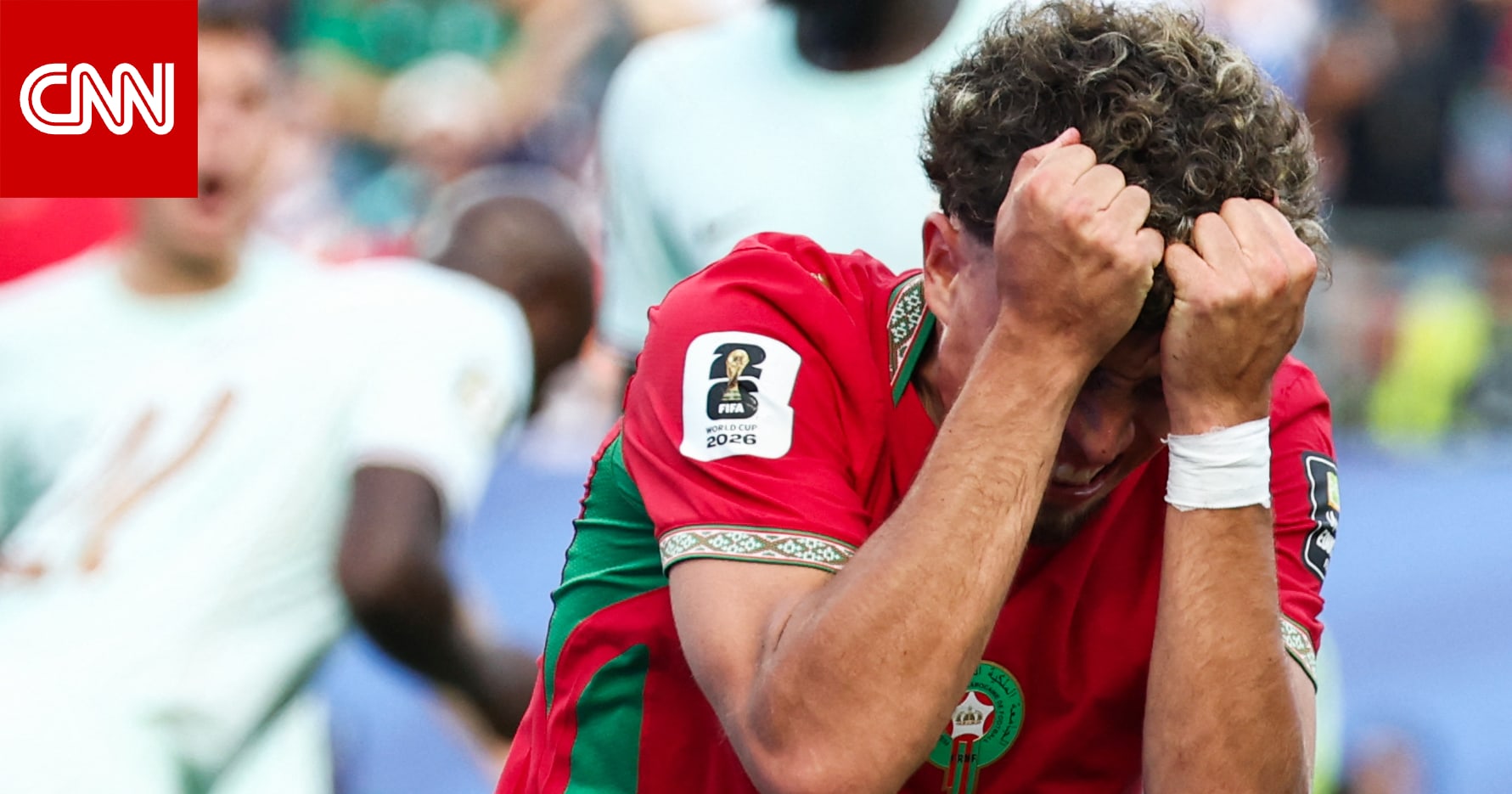
Morocco became the first Arab team to reach the quarter-finals in two consecutive World Cup editions (2022 and 2026), and there are 4 Arab teams that reached the knockout stages, which is the best collective Arab achievement in the tournament's history.
As for Saudi Arabia and Iraq, they recorded their presence in the knockout stage in the expanded edition, an indicator of the widening base of Arab competition. The tournament witnessed the first World Cup participation for Jordan in the expanded format, a historic achievement for Jordanian football.
Second: Speaking of what was the best?
The best Arab team is the Moroccan national team, as it achieved the best result by reaching the quarter-finals. As for the best Arab defense, the choice fell on the Moroccan team, thanks to its defensive discipline and ability to limit opponents' opportunities. The highest marketing value is for the Saudi national team, due to its association with the Saudi sports project and preparations to host the 2034 World Cup.
Third: The Most Prominent Economic Numbers
For the first time, 8 Arab federations benefit from World Cup participation revenues, and the marketing value of several Arab players increased after the tournament, with European clubs showing greater interest in Arab talents, especially Moroccan, Egyptian, and Saudi.
Matches of Arab national teams achieved high viewership rates in the Middle East and North Africa, enhancing the commercial value of broadcasting and advertising rights.
Fourth: Technical Indicators
According to official statistics published by FIFA until the end of the Arab teams' participation: Morocco was among the best Arab teams in defensive efficiency. Egypt was among the best Arab teams in possession and chance creation. Algeria showed good rates in chance creation, but offensive effectiveness was not up to the required level. Saudi Arabia excelled in high pressing and quick transitions in several matches. Jordan and Iraq presented impressive levels relative to their experience in the tournament.
Fifth: Players Whose Value Increased
Among the most notable indirect gains from Arab participation:
Increased interest from European club scouts in a number of young players. Expected rise in transfer fees for some players during the summer transfer market. And enhanced opportunities for new talents to turn professional in European leagues.
Typically, World Cup tournaments become a major platform for discovering talents, and the 2026 edition also witnessed this.
Sixth: What Did Arab Football Learn?
The most prominent lessons revealed by the tournament:
One: Long-term investment in youth categories pays off. Two: Technical stability is a decisive factor in major tournaments. Three: Foreign professionalism directly reflects on performance quality. Four: Developing academies is as important as hiring coaches. Five: Sports economics has become an essential part of national teams' success.
Seventh: If we draw a historical comparison regarding the best achievement of Arab teams in various World Cup editions, this comparison confirms that Arab football is on an upward trend in terms of number of participations and competitiveness, even though there remains a need to turn this development into regular competition for top positions.
Morocco tops the list of Arab achievements in the FIFA World Cup, followed by Saudi Arabia, Algeria, and Egypt for reaching the knockout stages. Record of most notable historic Arab achievements
The Moroccan national team sits at the top of Arab achievements: best achievement: fourth place globally in the Qatar 2022 edition, and also in the current 2026 edition, which is the best Arab and African achievement in history.
Other achievements: Reaching the quarter-finals (top 8 teams) in the 2026 World Cup. As for the teams that reached the round of 16:
Saudi Arabia (1994): In its first historic participation, it qualified for the second round and achieved two wins in the group stage, becoming the first Arab Asian team to achieve this feat.
Algeria (2014): Qualified for the round of 16 and exited with difficulty and honor against Germany (later champion) after extra time.
Egypt (2026): Achieved its best edition in history by reaching the round of 16
General statistics for Arab participation
Most participations: Saudi Arabia, Morocco, and Tunisia top the list of Arab teams with the most World Cup qualifications, with 7 participations each.
Exceptional 2026 World Cup: The edition witnessed a record participation of 8 Arab teams, and 3 Arab teams (Morocco, Egypt, Algeria) succeeded in qualifying for the knockout stages.
Eighth: What Next?
After the curtain falls on Arab participation, attention turns to the next phase, as several Arab federations have the opportunity to build on what has been achieved, while Saudi Arabia's hosting of the 2034 World Cup represents a pivotal milestone for developing the football system in the region. If Arab teams succeed in investing the technical and economic lessons learned from the 2026 edition, reaching the semi-finals or even competing for the title in the future may not be an unattainable goal.
A journalist at Al-Eqtisadiah newspaper
Original source: Aleqtisadiah





Comments (0)
Be the first to comment.