Amid US-Iran escalation, oil price jumps above $100 per barrel for first time since May
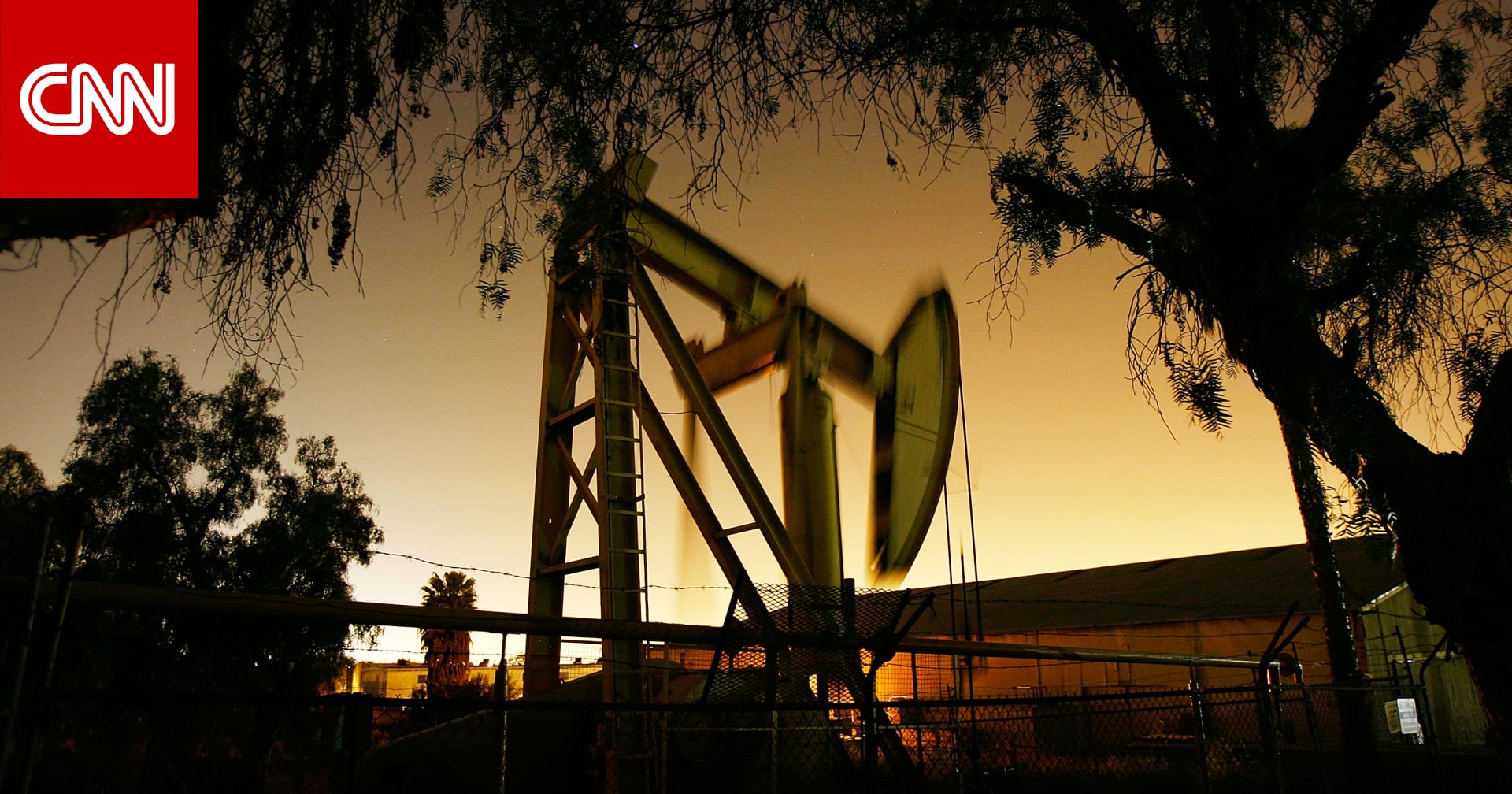
Oil price surpassed the $100 per barrel mark for the first time since May, amid threats that a broader Middle East conflict could put more pressure on global supplies.
(CNN) -- Oil prices rose above the $100 per barrel threshold for the first time since May 2026, amid growing concerns that an expansion of the conflict in the Middle East could put additional pressure on global energy supplies.
These developments come at a sensitive time for global energy markets, as oil prices are closely tied to geopolitical stability in production regions and vital sea lanes.
Brent crude, the global benchmark, jumped over 6% on Thursday, briefly touching $100.14 per barrel before easing slightly, while West Texas Intermediate, the US benchmark, rose about 5% to $90.98 per barrel.
These renewed concerns about global crude supplies follow an attack by Houthi rebels in Yemen on two Saudi vessels in the Red Sea, threatening to disrupt a strategically vital corridor for the kingdom's oil exports.
Analysts estimate that the kingdom has been shipping between 4 and 5 million barrels of oil through the Red Sea and the Bab el-Mandeb Strait, bypassing the Strait of Hormuz. But this vital artery for the global oil market is now threatened, after the Houthis announced targeting two Saudi tankers on Thursday.
Brent crude has risen about $27 per barrel this month, gaining more than a third; the last time it settled above $100 was on May 22, according to FactSet data.
These sharp moves highlight the markets' extreme sensitivity to any threats to maritime navigation routes and international shipping straits. With the escalation of attacks in the Red Sea and the Bab el-Mandeb Strait, Saudi and global oil supplies face a tough test that threatens the stability of their flows. Investors and analysts are cautiously watching developments on the ground and their potential impact on prices in the coming period. Despite the slight pullback after the first touch of the milestone, concerns remain about the markets' ability to absorb any further shocks.
Original source: CNN Arabic



Comments (0)
Be the first to comment.