Argentina's Round of 16 Qualification Infuses Historic Profits into Miami's Hospitality Sector

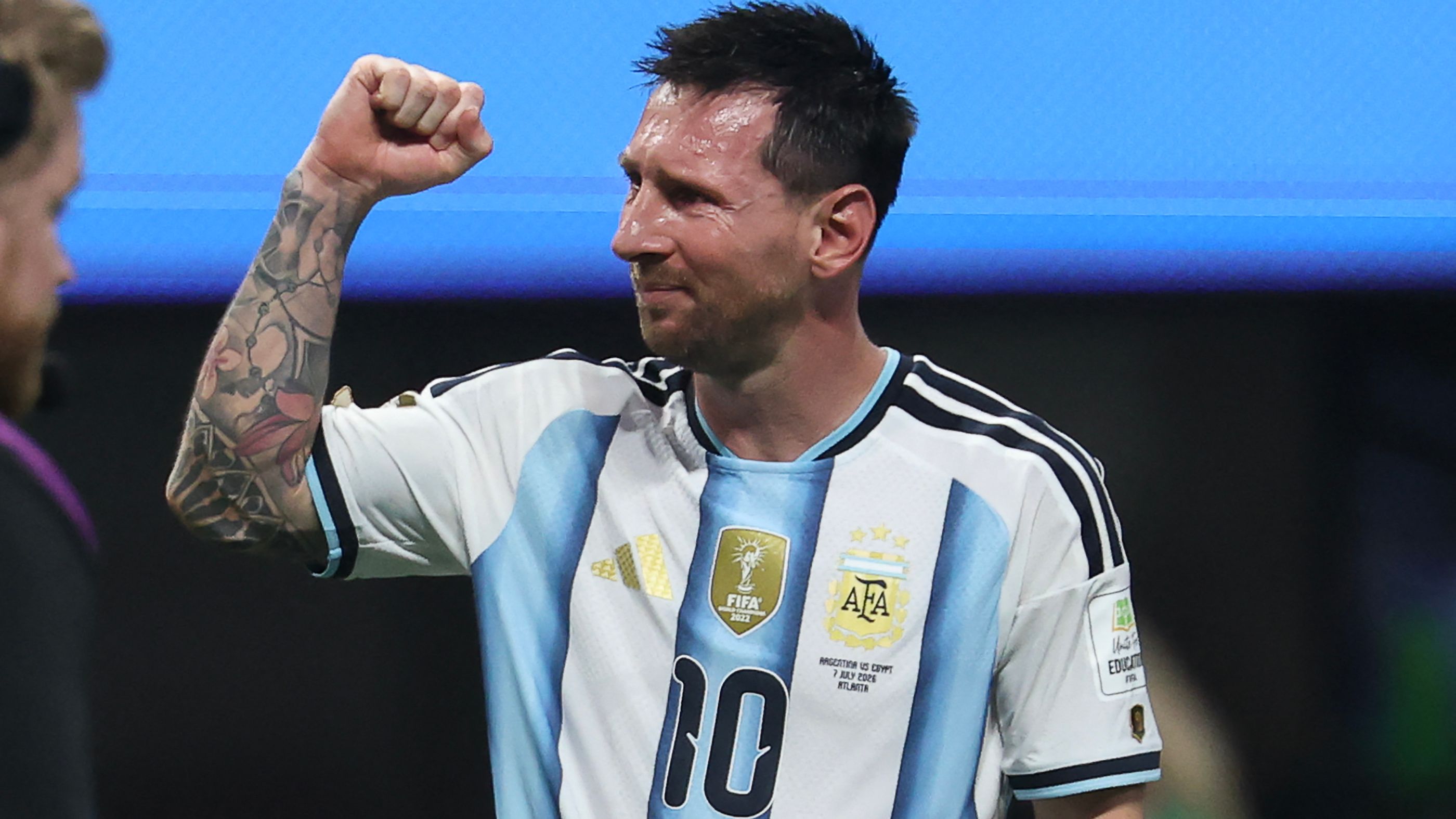
The qualification of the Argentine national football team for the round of 16 of the 2026 World Cup finals, following their thrilling 3-2 victory over Cape Verde at Hard Rock Stadium in Miami, transcended its sporting value and turned into an 'economic and cultural earthquake' that pumped hundreds of millions of dollars into the veins of Florida's local economy, cementing the lasting legacy of star Lionel Messi, according to the French newspaper La Tribune.
The newspaper, specializing in finance, technology, industry, and energy, said: 'This World Cup match, which Messi played in his "backyard" before a vast crowd that considers him its ultimate icon, provided a living model of what has become known as the "Messi economy," which has generated unprecedented marketing and commercial returns for the American city.'
According to the same source, the tourism, hospitality, and transportation sectors in Florida recorded record numbers, with the Greater Miami Hotel Association announcing occupancy rates reaching a maximum of 100% over the weekend, driven by an influx of hundreds of thousands of fans and Latin American communities from various U.S. states and South American countries.
It added: 'The average daily spending of sports tourists in Miami tripled compared to normal rates, which had a positive impact on the restaurant and retail sectors. In the secondary ticket market, seat prices at Hard Rock Stadium reached astronomical figures, with some tickets sold for thousands of dollars, while sports stores saw a historic jump in sales of Argentina's official blue-and-white shirts and the famous pink jersey of Inter Miami CF.'
Jérôme Séron, an expert at the French newspaper, confirmed that the indirect advertising value generated by the global media coverage of the match placed Miami in the spotlight as the world's premier destination for sports tourism, free promotion whose marketing value is estimated at millions of dollars that the state will benefit from for years to come.
This victory cemented Miami's status as a second, de facto capital for Latin American football in North America. The city leveraged its unique demographic makeup, where about two-thirds of its population speak Spanish as their native language, to become a major cultural incubator for Messi's enduring legacy.
He added: 'Messi's impact is no longer limited to the pitch; it has extended to reshaping the city's visual and tourist identity. The Wynwood arts district has become a major tourist attraction and a pilgrimage site for fans, thanks to the massive influx of supporters taking photos in front of the giant murals of the eight-time Ballon d'Or winner, such as those designed by Venezuelan artist Alex Campos and Maximiliano Bagnasco. This artistic boom has revitalized the local creative economy and opened doors for global business partnerships with local artists.'
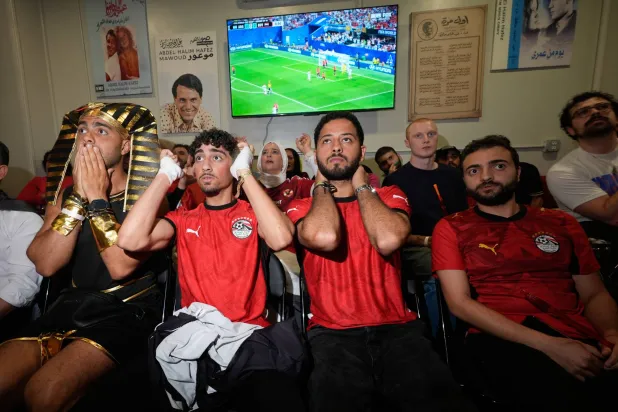
He concluded: 'The overwhelming public passion on Friday night gave the green light and maximum economic viability to the massive sports investment projects underway in the city, chief among them accelerating the construction of Inter Miami's new stadium (Miami Freedom Park), which is now seen as a permanent physical legacy that will continue to generate profits and attract major events even after the Argentine star retires. The Argentina train leaves Miami after leaving behind material gains and a cultural legacy that will forever change the face of sports and investment in Florida, heading to Atlanta for a highly anticipated round of 16 clash against the Egyptian national team next Tuesday.'
Original source: Aleqtisadiah


Comments (0)
Be the first to comment.