International Energy Agency warns of consequences of US-Iran escalation on global fuel supplies
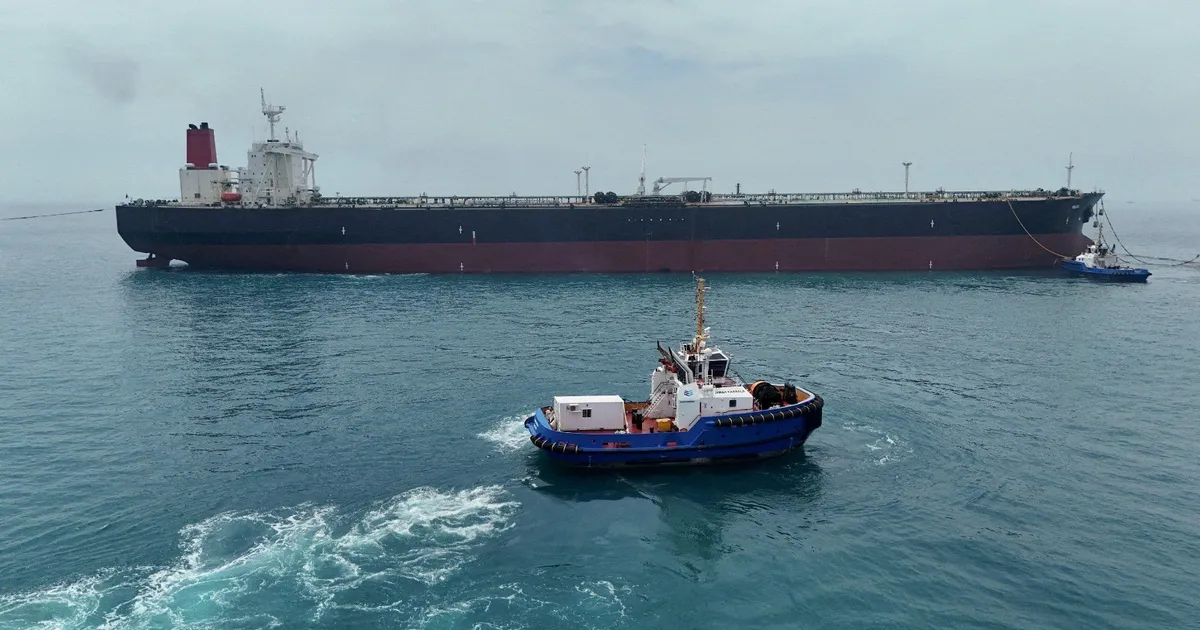
The International Energy Agency warned on Friday that the escalation in confrontations between the United States and Iran could undermine its expectations of a significant surplus in the oil market next year, after global supplies rose in June with the reopening of the Strait of Hormuz, but remained below pre-war levels.
The agency added that global oil markets found a respite last month after a temporary ceasefire agreement between the United States and Iran helped reopen the strait, whose effective closure during the peak of the biggest oil supply crisis in history disrupted crude oil flows that at some periods reached about 14 million barrels per day.
It explained that global oil supplies rose by 4.1 million barrels per day in June, but remained about 9.4 million barrels per day lower compared to pre-war levels.
The International Energy Agency expected global oil supplies to rise by 7.5 million barrels per day next year, after an estimated contraction of 3.7 million barrels per day this year, but stressed that this scenario becoming reality depends on improved transit of oil tankers through the Strait of Hormuz.
The agency said that the military escalation that the region witnessed on July 7 and 8 casts doubt on these expectations, and may end the scenario that assumes the oil market turning into a surplus next year, adding that reaching a permanent peace agreement is an essential condition for oil markets to return to normal.
The agency's forecasts for 2027 indicate that oil supply will exceed demand by about 4.62 million barrels per day, compared to estimates of a deficit of 860,000 barrels per day this year, provided that producers can restart halted fields and refineries resume normal shipments of oil products.
The agency, which is based in Paris and advises industrialized countries, expects global oil demand to decline by 1 million barrels per day this year, before resuming growth with an increase of 2 million barrels per day in 2027.
In the near term, the agency expected that the summer peak season for fuel consumption would raise demand by about 8 million barrels per day compared to the low levels recorded in May during the peak of the crisis.
The International Energy Agency said that the significant drop in oil prices also encourages consumption growth, along with improved global economic prospects.
By 09:34 GMT, Brent crude contracts were down to $75.85 a barrel. The Organization of the Petroleum Exporting Countries (OPEC) is scheduled to release its monthly oil market report on July 13.
Fuel supply shortage
According to the agency, the response of refining activity and product shipments to the reopening of the Strait of Hormuz was slower than the response of crude oil exports, which, combined with peak summer fuel demand, led to a shortage in refined product markets and higher refining margins.
The International Energy Agency added that 'the gap between crude oil markets, which appear in a better position in terms of supply, and oil product markets, which are experiencing a shortage, supported higher refining spreads and refinery margins to their highest levels in four years by early July.'
It pointed out that concerns about a shortage of jet fuel receded, replaced by fears of a shortage of gasoline and diesel supplies.
It added that the diesel market in the Atlantic region experienced a rapid shortage in the past few weeks due to declining supplies from the Middle East, coinciding with a sharp drop in Russian exports after Ukraine intensified its attacks on Russian refining infrastructure.
The agency said that in contrast, the flow of crude oil shipments to global markets following the reopening of the Strait of Hormuz led to a rise in global inventories for the first time in four months in June, an increase of 21 million barrels. This came after consecutive withdrawals from inventories totaling 360 million barrels during the period from March to May.
Original source: Asharq News

Comments (0)
Be the first to comment.