7% of global internet traffic consumed by World Cup viewers

The 2026 World Cup is expected to be the most-watched sporting event ever, with 5 billion fans and 7% of global internet traffic consumed by viewers. The tournament will generate 90 petabytes of data, impact the global economy by $41 billion, and create 800,000 jobs. Spain is statistically predicted to win.
It is the biggest sports event in the world, with 5 billion fans following it. This edition of the World Cup will be the most watched, visited, and shared on social media. The opening ceremony takes place before the World Cup kicks off.
The 2026 World Cup will be the most followed sports event on social media, posing a major challenge in terms of data consumption. Estimates indicate that 7% of global internet traffic will be consumed by football viewers. The tournament alone will use 90 petabytes, which is 45 times more than the 2022 World Cup in Qatar.
According to the newspaper Mundo América, the 2026 FIFA World Cup, currently underway, is expected to be the most watched, followed, and visited in history. It is considered the biggest sports event in the world, surpassing the Olympic Games, the Super Bowl, and the Cricket World Cup. This event enjoys massive fan support, with around 5 billion football fans worldwide, twice the number of fans of the second most popular sport, cricket.
This means that approximately 6 out of every 10 people on Earth declare themselves football fans. This explains the interest of Arab investors and private investment funds in owning major European leagues, including the Spanish league, or becoming shareholders in clubs to be part of a sector where ticket sales are becoming less important compared to commercial agreements or stadium usage.
The American newspaper says that during the World Cup, 104 matches will be played, most of them in the United States (78 matches) compared to 13 matches in Canada and Mexico. Everything here is bigger than the 2022 World Cup in Qatar, with more teams and stadiums capable of hosting 7.2 million fans, compared to 3.4 million fans four years ago.
It pointed out that these are astronomical numbers, and it is estimated that the 48 participating countries represent 27% of the world's population and 62% of the global economy. Preliminary studies by FIFA indicate that the 2026 World Cup will impact the global economy by about $41 billion and create 800,000 jobs, including two out of every ten jobs in the United States.
The event will benefit various sectors, such as airlines, beverages, sportswear, restaurants, cable and satellite channels, social media, and online sports betting.
The World Cup affects salaries, especially in the service sector, boosts retail sales, and impacts inflation. Hotel prices in the United States are expected to rise by 1% in June due to the World Cup, with notable increases in host cities. According to Bank of America, the global sports industry generated $2.3 trillion in revenue last year, making it the tenth largest economy in the world.
This industry's revenue is expected to exceed $3.7 trillion by 2030. Football generated €620 million in revenue in major European leagues in 2025, with less than 20% coming from match ticket sales, a large portion from television broadcasting rights, and the rest from commercial deals.
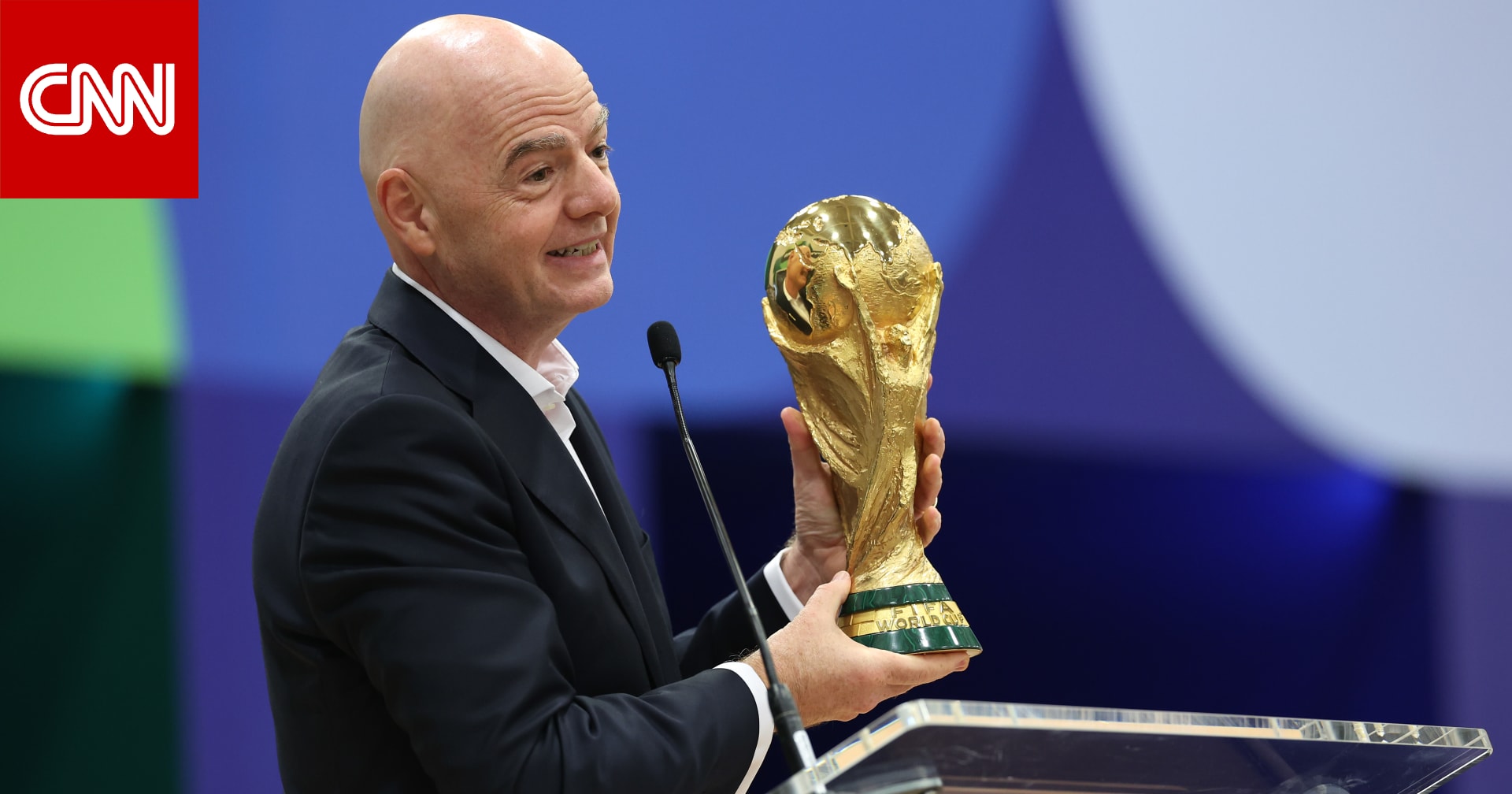
Analysts predict Spain will win the World Cup statistically, with Goldman Sachs forecasting their victory. The tournament is also expected to have a financial impact, as the winning team will receive a trophy worth more than €0.74 million due to rising gold prices.
Original source: Aleqtisadiah



Comments (0)
Be the first to comment.