France and Morocco: Mbappé vs Hakimi in Boston

Julian Brito
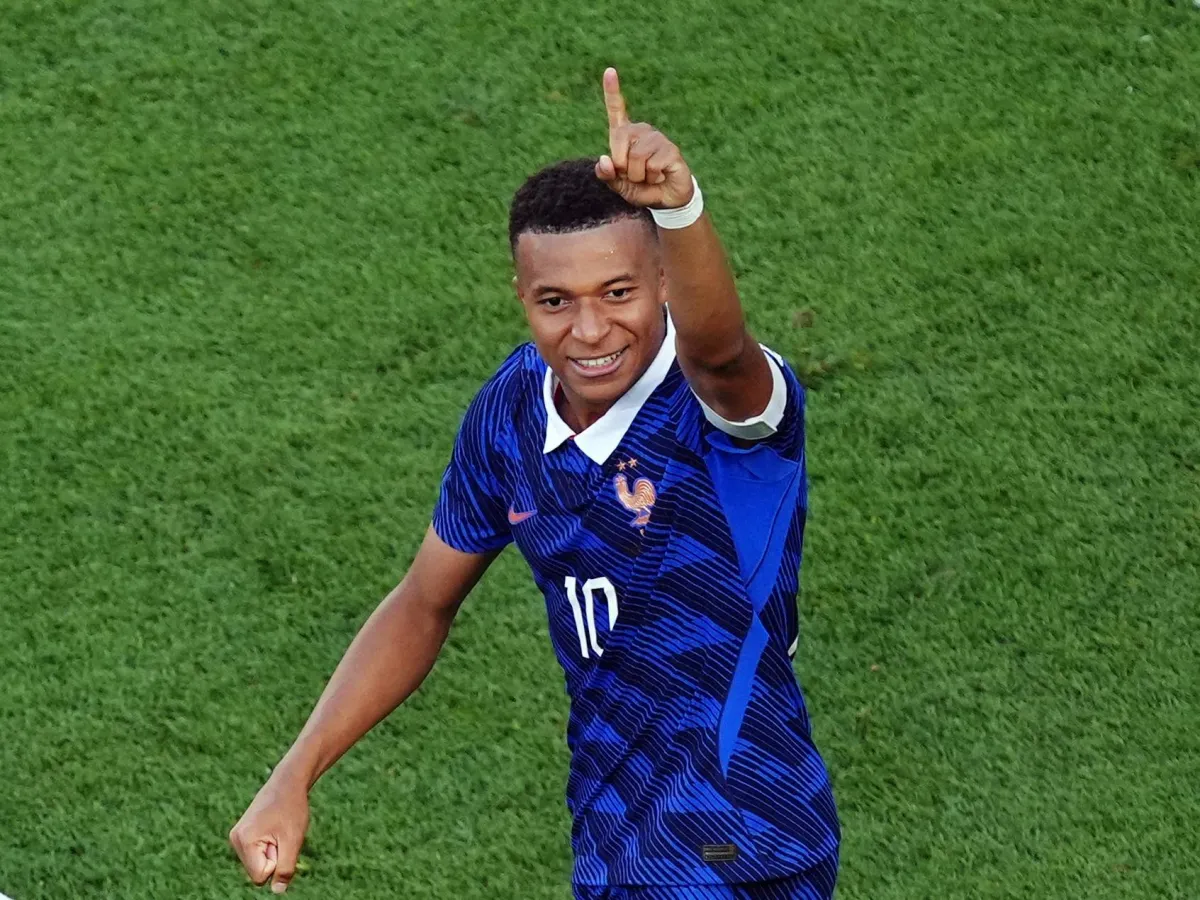
France and Morocco meet in a World Cup quarterfinal match on Thursday, with the game interwoven with post-colonial ties, from Moroccan players born and raised in France to the close friendship between Kylian Mbappé and Achraf Hakimi, forged during their time together at Paris Saint-Germain.
With tight security measures in France before and after the match, the Boston venue may give the event a more familial feel: a meeting between two countries with intertwined histories, but whose players and fans are often linked by immigration, language, family, and friendship.
Morocco was under French protectorate from 1912 to 1956. Relations between the two countries have remained close through education, trade, and immigration, while football has become one of the most prominent manifestations of these ties.
Six players from the Moroccan national team were born in France, while others played in the French first division or progressed through French youth teams before choosing to represent Morocco.
Their paths show the close athletic ties between the two countries and Morocco's ability to turn its diaspora into a competitive force.
Young Ayoub Bouaddi is one of the most prominent examples of these overlapping ties: born in France, raised in Lille, he represented France at the youth level before choosing Morocco, embodying the dual football identity that gives this match special significance.
France, the 2018 world champion, is one of the established football powers, with its tournament experience and attacking talent expected from a team aiming to win the World Cup again. Morocco arrives at the match with the confidence of a team accustomed to defying expectations, four years after becoming the first African team to reach the World Cup semifinals.
Their match in Qatar 2022, which France won 2-0, was emotionally charged but also marked by a strong sense of mutual understanding. Morocco's run captured the attention of fans beyond its borders, while the French team once again showcased the cultural diversity that has always shaped French football.
An interesting venue
The city of Boston provides an interesting venue for the return match. The Moroccan community is smaller and less visible than in French cities, but it is well-established in the greater Boston area, where Moroccan-born residents have built a network of families, students, professionals, and businesses. For these fans, the quarterfinal match will not necessarily split the crowd into two equal halves.
Mohamed Saadi, a 57-year-old taxi driver, said: 'Some of them live in the same building, and the French and Moroccans will watch the match together and shake hands at the end.'
He added: 'There is no tension here. Football is a family sport, and the France-Morocco match will be no exception; on the contrary.' At Boston Common, more than a thousand fans gathered chanting 'Dima Maghrib' (Always Morocco) and waving flags in a peaceful rally ahead of Thursday's match.
Youssef Benani, a 36-year-old software engineer, said: 'I came from Finland specifically.'
I attended all of Morocco's matches, and this is the best place. I met many Moroccans, and some French too, and it will be a big celebration tomorrow.'
Morocco's progress has changed the nature of this match.
They are no longer just the underdog of 2022; they have become a team with the organization, player development, and belief to challenge the traditional powers in the sport.
Their team has benefited from the federation's strategy that linked the development of local talent with talent raised in Europe.
France, which defeated Paraguay to reach the quarterfinals, has its own reasons for caution. Its attack has been among the strongest in the tournament, but Morocco's 3-0 win over Canada confirmed the speed, discipline, and ambition that brought them to the quarterfinals.
Editor-in-Chief at Reuters
Original source: Aleqtisadiah



Comments (0)
Be the first to comment.