Technological Backdrop Deprives Norway of World Cup Semi-Final

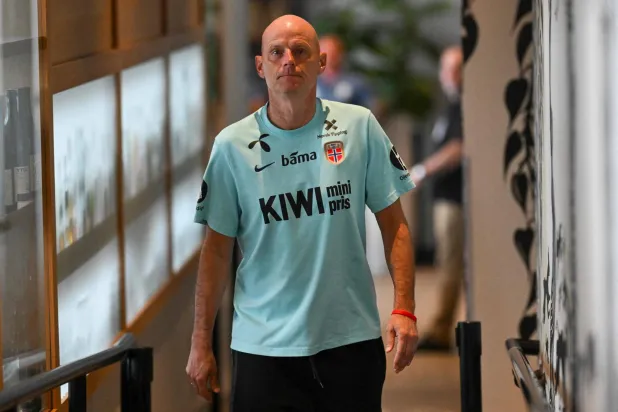
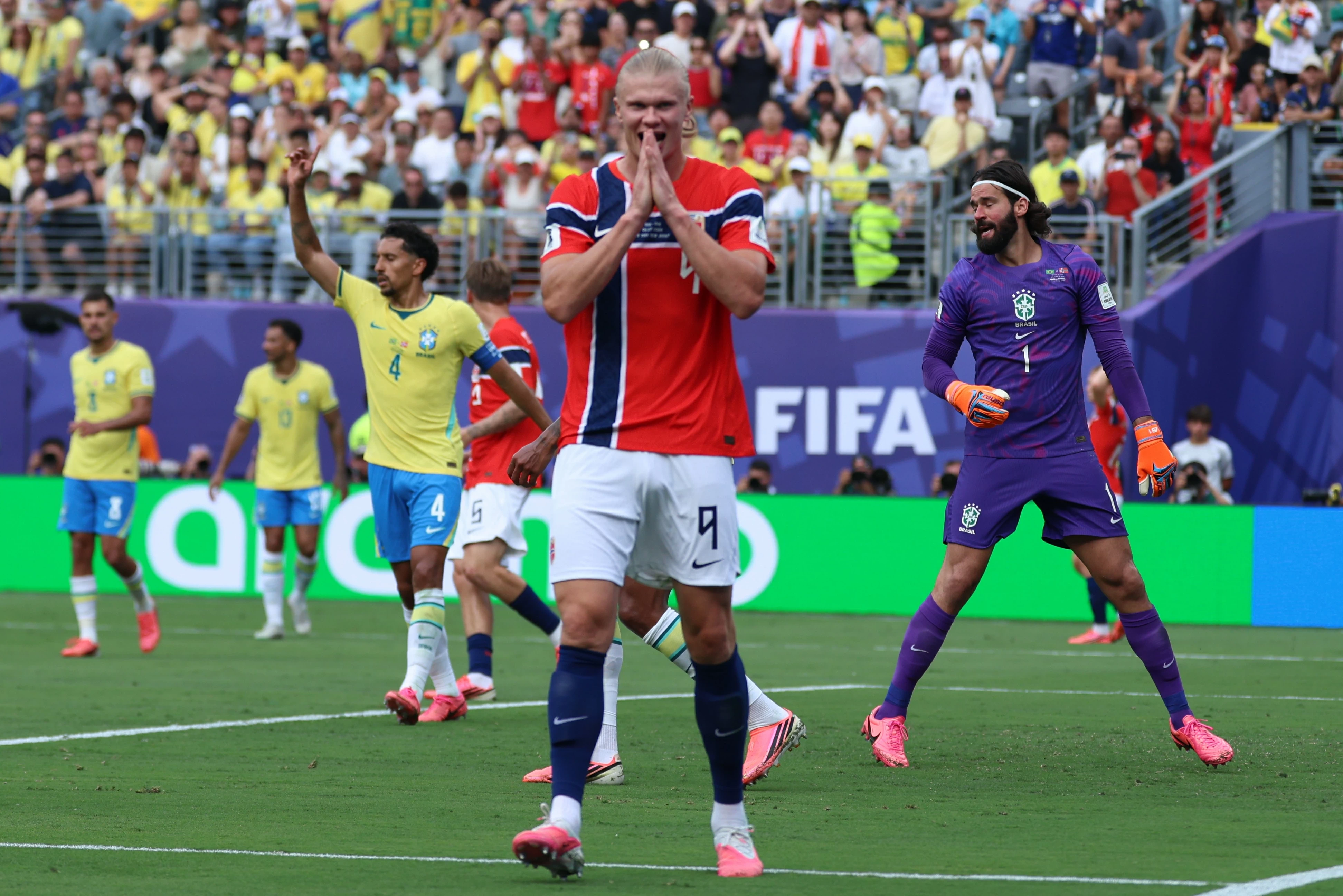
The 2026 World Cup witnessed unprecedented technological and refereeing controversy, after matching engineering reports revealed a 'blind spot' in the connected smart ball system, which caused one of the most influential refereeing errors in the tournament, resulting in the elimination of the Norwegian national team and depriving its star Erling Haaland of reaching the semi-finals in favor of the English national team.
The details of the incident go back to the final moments of the first half in the quarter-final match in Miami, specifically in the (45+2) minute, when Norwegian goalkeeper Ørjan Nyland executed a towering goal kick, which television replays clearly showed its path suddenly changed due to hitting one of the steel cables carrying the suspended spider camera.
Despite protests from the Norwegian players and their coaching staff, play continued and the ball reached Declan Rice, and then to Jude Bellingham who scored the equalizer (1-1), opening the door for England to come back and qualify.
FIFA quickly issued an official statement supported by graphics, confirming that the internal sensor of the official ball (Adidas Trionda) did not register any 'pulse' or peak activity indicating a collision.
This strict denial sparked a technical contradiction, especially since the same system succeeded days earlier in disallowing a goal for Croatia against Portugal after detecting the slightest touch by a Croatian player, which the player himself described as 'just his hair touching the ball'.
Experts in communications and stadium technology explained to the Spanish newspaper 'Marca' that the solution to this puzzle lies not in the deficiency of the ball's sensing capability, but in the 'wireless transmission' phase. The analysts pointed out that the ball contains an inertial measurement unit that operates completely autonomously at a frequency of up to 500 Hz, meaning it internally recorded the impact, but the real crisis was its inability to send this data to the VAR room.
According to engineering analyses, the massive metallic structure of the flying camera, including taut steel cables, motors, and iron rails, acts as an electromagnetic shield akin to a Faraday cage.
They added: 'Since the ball hit the cable at the highest possible point, far from the range of peripheral antennas installed around the field, the ultra-wideband radio waves underwent severe scattering and reflections. This momentary interruption caused the loss of data packets for the millisecond of impact, so the signal reached the VAR room "flat" and flawless after the ball left the interference zone, which led the technology to falsely indicate no contact.'
This engineering loophole opened the door to widespread criticism of FIFA and the developing companies, with 'Marca' experts demanding an update to the smart ball's software to include a data buffering feature and resend it once the signal stabilizes, to avoid repeating such refereeing disasters that change the course of major tournaments.
Original source: Aleqtisadiah




Comments (0)
Be the first to comment.