Iran Exports 57 Million Barrels of Oil via Strait of Hormuz During Brief Truce Between Two Blockades
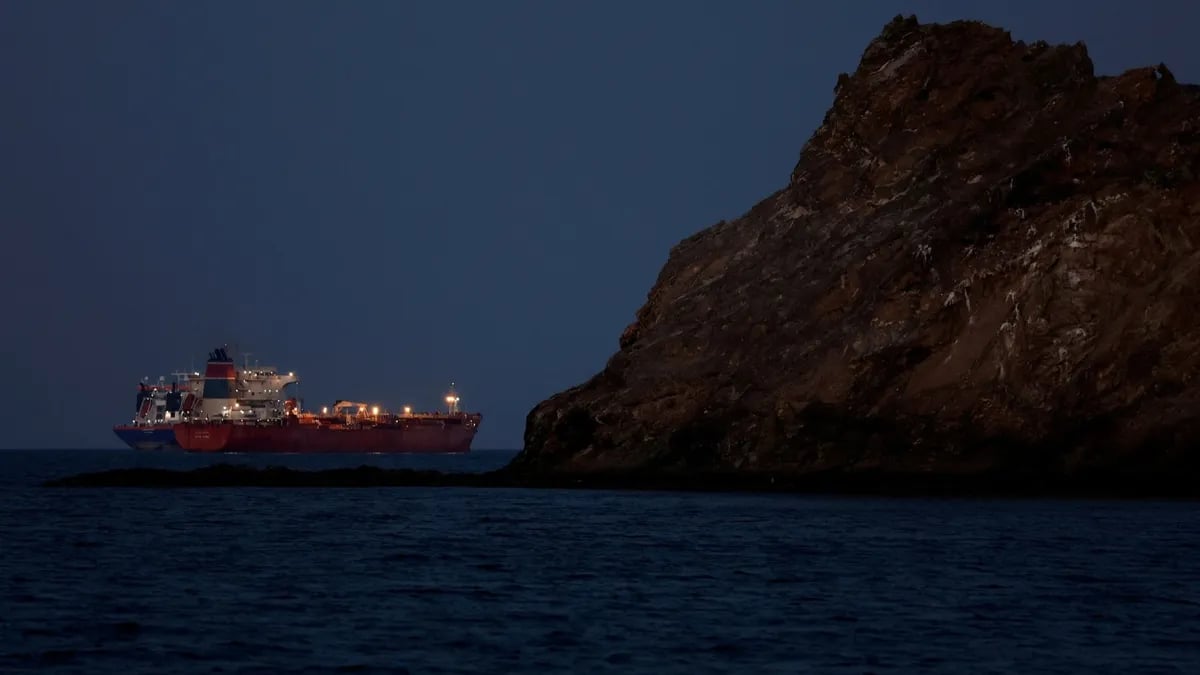
Iran managed to export at least 57 million barrels of crude oil during a brief truce between two US naval blockades, according to Bloomberg on Tuesday.
The agency stated that six supertankers under US sanctions, with a total capacity of 12 million barrels, crossed the Strait of Hormuz into the Gulf of Oman last week after disabling their transponders.
Bloomberg noted that these movements came after Washington revoked on July 7 the temporary permit that allowed Iran to sell its oil, escalating tensions in the Strait of Hormuz. The White House decided to reimpose the blockade on ships linked to Iran, effective from 4:00 p.m. Tuesday Washington time.
Data added that navigation in the Strait of Hormuz nearly came to a halt early Tuesday, while many vessels linked to Tehran left the waterway, including oil tankers, liquefied petroleum gas carriers, and container ships.
Impacts on the global oil market
In the same context, these shipments are part of flows totaling 57 million barrels of crude that Iran successfully exported between the two naval blockades, with daily exports reaching 2.2 million barrels during that period.
Bloomberg estimated that actual exported quantities may be higher than reported, given what it described as Iran's history of hiding shipment flows. These additional supplies contributed to a decline in oil prices during the first two weeks after the signing of the memorandum of understanding between Washington and Tehran, before prices rose again as tensions escalated.
Meanwhile, US President Donald Trump demanded 20% of the value of shipments crossing the Strait of Hormuz with US support, without disclosing further details.
Discuss the news with artificial intelligence
Original source: Ajel.sa




Comments (0)
Be the first to comment.