United States Resumes Cash Shipments to Baghdad
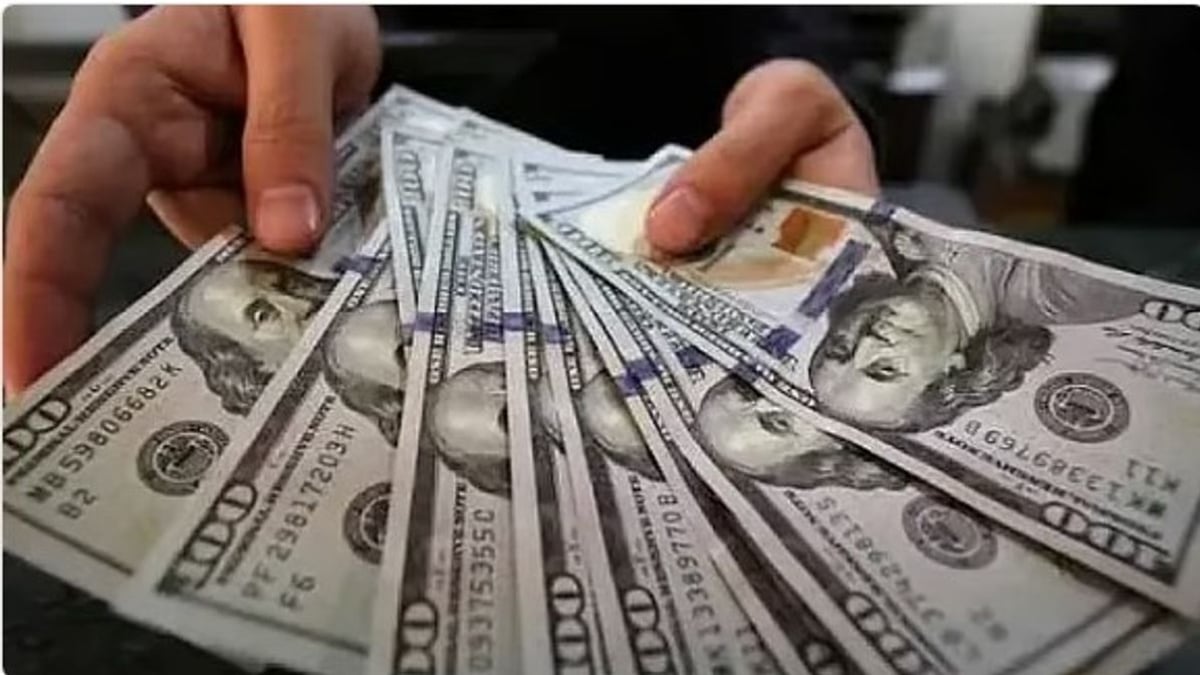
The United States has resumed cash shipments to Iraq after a delay, signaling Washington's support for the government of Prime Minister Ali al-Zaidi, who is expected to visit Washington this month, a government spokesman said on Thursday.
Most of Iraq's oil export revenues are deposited in the Federal Reserve Bank of New York under an agreement reached after the 2003 US-led invasion that toppled former President Saddam Hussein.
Under this system, oil payments are converted into dollar accounts in the United States, used either to pay for imported goods or sent to Iraq in cash.
Earlier this year, Washington suspended cash transfers to Iraq as part of its increasing pressure on Baghdad to rein in the weapons of Iran-backed factions that launched hundreds of attacks on US facilities in Iraq during the Middle East war.
Iraqi officials said the halt in dollar shipments was due to the closure of airspace and the security situation.
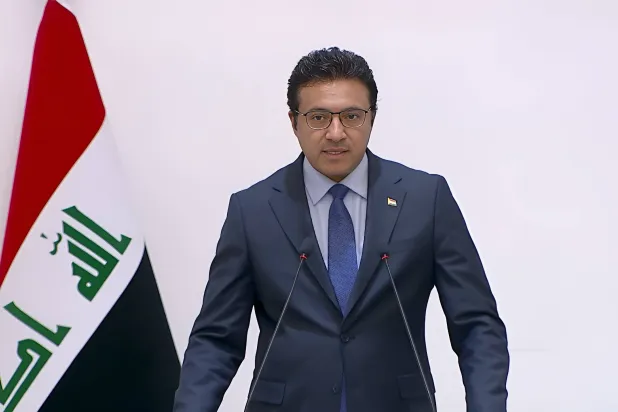
Government spokesman Haider al-Aboudi told AFP that shipments "have resumed for some time."
He said this "reinforces the message of cooperation and strengthens the economic partnership between the two countries," stressing that "in the past period, shipments were delayed, and the main reason is related to logistical obstacles resulting from the situation in the region and air traffic."
Al-Aboudi said the resumption of shipments is "a positive indicator that Iraq is within the sphere of international dealings" ahead of al-Zaidi's visit to Washington, adding that Iraq views it "from the perspective of cooperation and partnership coordination."
He stressed that the most prominent topics of al-Zubaidi's visit "are the file of economic partnership with the United States."
In May, a senior US State Department official, speaking on condition of anonymity, said the United States was looking for "concrete actions" from al-Zaidi to distance Iran-affiliated factions from state institutions before resuming cash shipments and aid to the country.
Al-Zaidi, who took office in April, has pledged to rein in the weapons of factions that Washington classifies as "terrorist" amid increasing US pressure.
During his first visit to Washington, al-Zaidi hopes to attract more US investment to Iraq, amid an urgent need to revive the economy, especially after the losses to the country's revenues due to the halt in oil exports during the Middle East war.
Like other oil-producing countries in the Gulf, Iraq, a founding member of OPEC, has been severely affected by the war.
Iraq's economy depends on oil revenues for about 90 percent, and most of its crude oil passes through the Strait of Hormuz.
Original source: Asharq Al-Awsat
Comments (0)
Be the first to comment.