Middle East Continues to Attract Entrepreneurs Despite Iran War

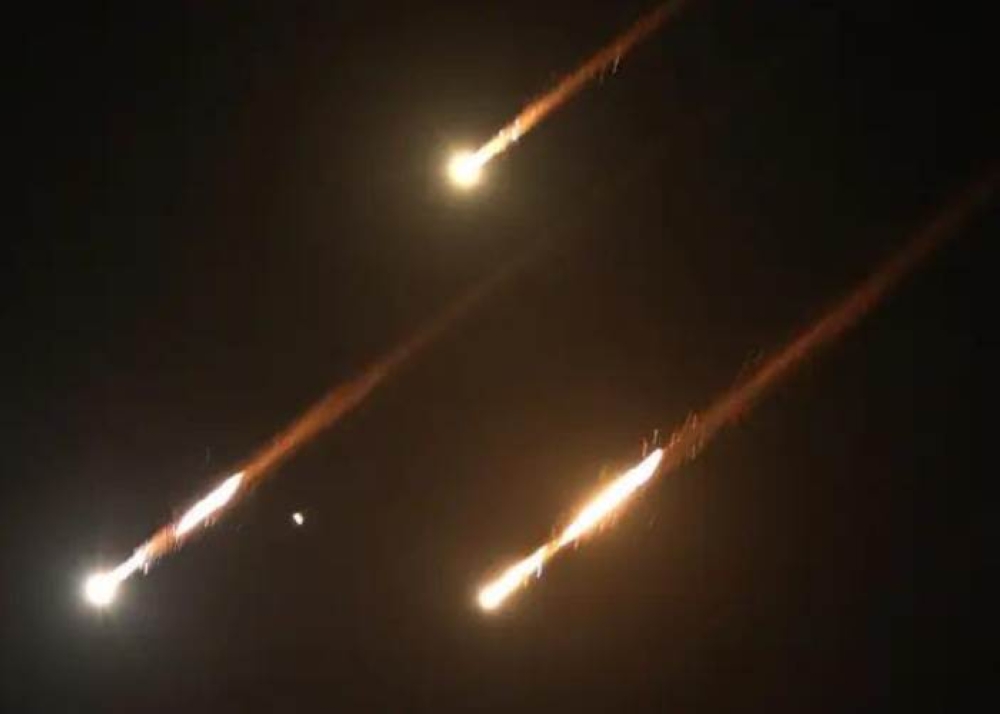
King Lai moved from Hong Kong to Abu Dhabi in February, as part of the latest cohort joining the emirate's startup program "Hub71." Days later, Iran began launching airstrikes on Gulf countries.
Despite some long-term residents temporarily leaving, and calls from his friends and family to return home, Lai chose to stay. Since then, his business information company Pubrio has attracted two clients in the UAE, and is also seeking to attract local venture capital firms to raise funding, according to what he told Bloomberg News.
Lai is among a growing number of founders being attracted to Abu Dhabi, Dubai, Riyadh, and Doha, as governments intensify efforts to build startup ecosystems that can compete globally. Trillions of dollars in sovereign and private wealth, along with generous incentives, accelerator programs, and low taxes, have become key pillars of plans to diversify economies away from oil.
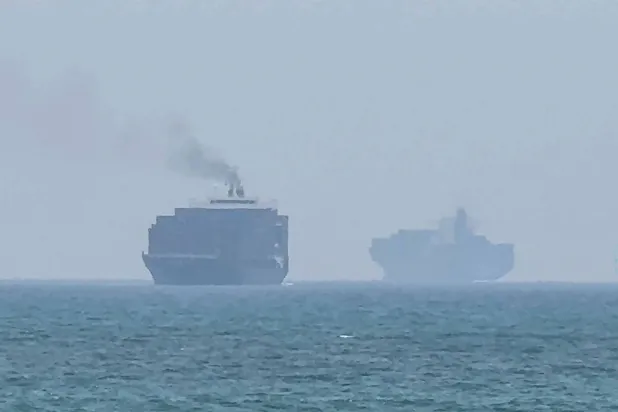
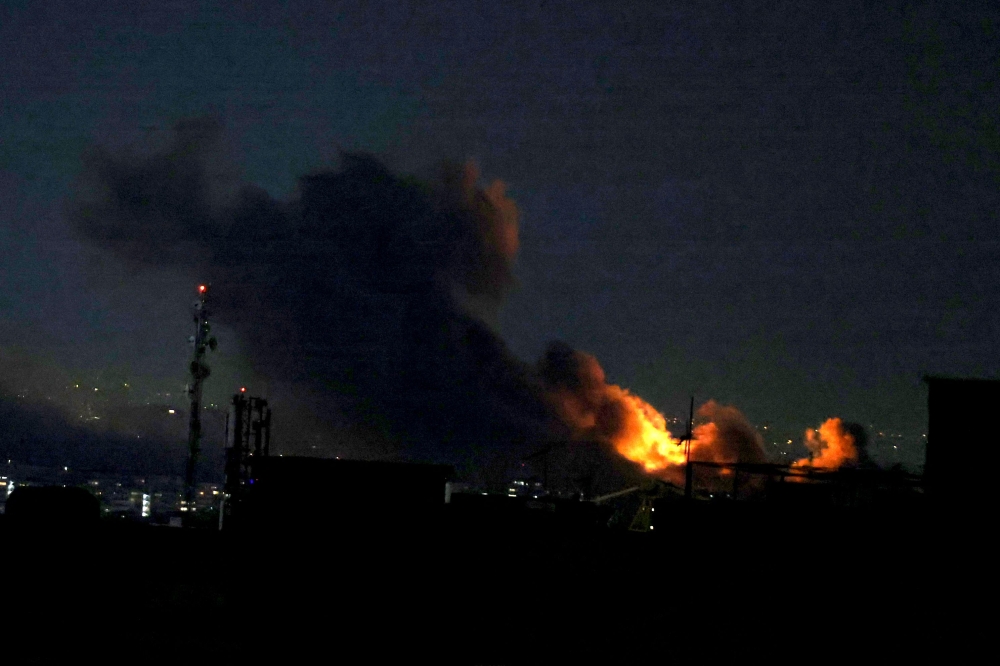
With the US and Iran resuming their attacks this week, and escalating tensions over control of the strategic Strait of Hormuz, the conflict becomes the biggest test yet for this strategy. Although most founders have stayed and funding announcements continue, investors believe the real impact of the conflict will not become clear until the coming fiscal quarters, when new funding rounds begin to reflect decisions made after the outbreak of hostilities.
For now, entrepreneurs' readiness to embrace uncertainty was evident at Hub71's annual event in June. Attendees ate free Mexican food, shot baskets into hoops labeled "Series A" and "Unicorn," listened to speakers from Whoop, Talabat, and Careem, while company founders pitched their ideas to investors as crowds moved between booths.
The event was held during a fragile truce. Just days earlier, neighboring countries Kuwait and Bahrain were facing renewed attacks from Tehran. Nevertheless, none of the 27 startups selected from about 2,500 applicants to join the February cohort of Hub71 withdrew. The latest cohort received a similar number of applications and was the first to consist entirely of companies from outside the UAE.
Wed, 15 2026
This resilience is important for the region's ambitions, but it remains unclear whether the conflict will leave a deeper impact on business activity. Philip Bahoshy, CEO of the data platform Magnitt, suggests that many of the funding rounds announced in recent months were agreed upon before the escalation of hostilities.
Bahoshy told Bloomberg Television: "I don't think the impact of the war has been reflected in the numbers yet, and it will become clear in the third and fourth quarters, but we are already seeing a relative slowdown, with a focus on later-stage deals compared to early-stage deals."
Iran War Strains Funding
There are other early signs of pressure. A venture capital investor said startups are facing rising operating costs and declining cash flows due to increased fuel, shipping, and insurance expenses. They are also experiencing severe delays in collecting customer payments, while a sovereign investor, in at least one case, backed out of a pledge to inject $1 million into a funding round when the war broke out, according to a person who asked not to be identified.
Overall, startups in the Middle East and North Africa raised $1.35 billion in the first half of 2026, down more than a fifth from the previous year, according to Magnitt data. The number of deals more than halved to 214. Although weak activity is not limited to the region, deal volumes in the Middle East fell sharply in the second quarter to their lowest level in at least two years.
o5K8tW8nuI_1784093302
Ryes Rahman, a biotech entrepreneur, was among the founders whose efforts were disrupted by the conflict. He temporarily moved to New York after the fighting intensified, before returning after a ceasefire in April, feeling Abu Dhabi was safer and needing to be present to reconnect with investors.
His drug discovery startup Harmonic Discovery is supported by Silicon Valley's Y Combinator, and Rahman joined Hub71 last September. Talks about the bridge round he plans to conduct slowed as tensions escalated, before regaining momentum in recent weeks, alongside negotiations with a Dubai-based venture capital firm.
Rahman said: "This situation has become somewhat normal, and people roughly know what to expect." He added that Abu Dhabi offers Harmonic Discovery a faster and cheaper path to develop new drugs compared to the US, noting that his company intends to conduct its first local clinical trial for a sickle cell disease treatment.
Despite all its advantages and the growing number of billion-dollar startups, the regional ecosystem remains limited compared to established global hubs. Investors and founders often point to a narrow talent pool, limited later-stage funding, and few listed technology companies on stock exchanges.
RvFcLbzJR7_1784092576
Nevertheless, regional governments continue to implement programs aimed at attracting companies. For example, winners of Hub71, backed by Mubadala Investment Company, receive cash investments and incentives worth $140,000, along with access to venture capital investors.
Qatar Attracts Venture Capital
In other parts of the Gulf, Qatar has invested in several venture capital firms through its Fund of Funds program, and last year attracted B Capital, owned by Eduardo Saverin. The program's size increased from $1 billion to $3 billion before the war broke out, with about a third of these funds already deployed.
Meanwhile, the Startup Qatar initiative received more than 7,700 applications and awarded over $51 million to 45 companies from around the world, including 11 since the start of the conflict. To qualify, at least one founder must relocate to Qatar, a common model in the region that ties capital to physical presence in the market.
For example, Michael Lints, a partner at Golden Gate Ventures, moved from Singapore to Doha in 2024, where he stayed with his family throughout the conflict.
Lints said: "We intensified our conversations with investors, but everyone remained calm." The firm closed two deals when the war broke out, and continues to raise capital after launching a $100 million fund, backed by Qatari investors, in 2024.
Dubai and Riyadh Support Startups
A short flight from Doha, Dubai stands out as the original business hub of the Middle East.
Original source: Aleqtisadiah

Comments (0)
Be the first to comment.