"Evolve": Gold heading to a more balanced price range

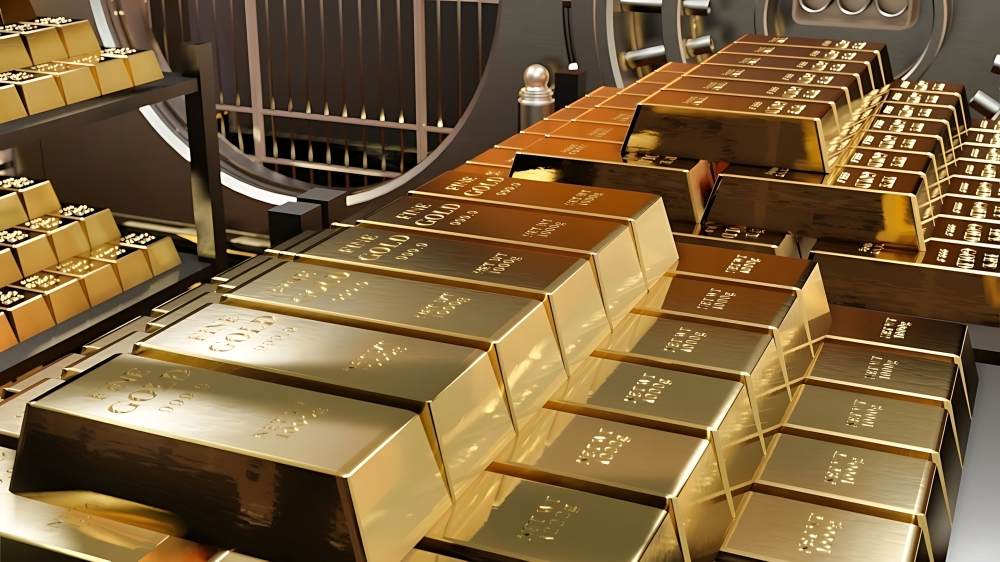
The CEO of Evolve Holding for Investment, Dr. Sameh El-Turjman, affirmed that gold has not achieved significant gains despite military tensions and US data coming in below expectations, because the yellow metal faces liquidity-related pressures during periods of crises.
In an interview with Al Arabiya Business, he pointed out that wars and economic fluctuations require high liquidity from central banks and financial institutions, prompting some of them to sell part of their gold holdings as it is one of the most liquid and stable assets.
Inauguration of the world's largest logistics area for truck marshalling in Jeddah
He added that the price range between $4,000 and $4,200 per ounce, or slightly below the $4,000 level, currently represents a stability zone for gold, noting that large selling operations by some entities are offset by continued central bank purchases, which maintains price balance within these levels.
He pointed out that central banks' appetite for buying gold remains ongoing, which helps prevent sharp price declines despite the various pressures facing the market.
Regarding Fidelity's announcement of its intention to increase its gold holdings after a period during which it had reduced the weight of the precious metal in its investment portfolios, he explained that this came after the end of the phase of exaggeration and speculation that had driven prices to high levels in the past period.
He explained that the previous gains were not entirely driven by real demand, as speculation, especially in the paper or virtual gold market not backed by physical gold, played a significant role in raising prices.
He affirmed that gold is now heading to a more balanced and reasonable price range from the perspective of investment institutions, and therefore entities like Fidelity consider current levels suitable for building new investment positions in the precious metal.
He indicated that global indicators still support the positive outlook for gold in the medium and long term, expecting the metal to gradually return to an upward path, albeit at a slower pace than before, driven by continued purchases by financial institutions and central banks worldwide.
Advertorial
Advertorial
Original source: Al Arabiya



Comments (0)
Be the first to comment.