Economy / Royal Commission for AlUla Governorate Launches 'Khairat AlUla' Season
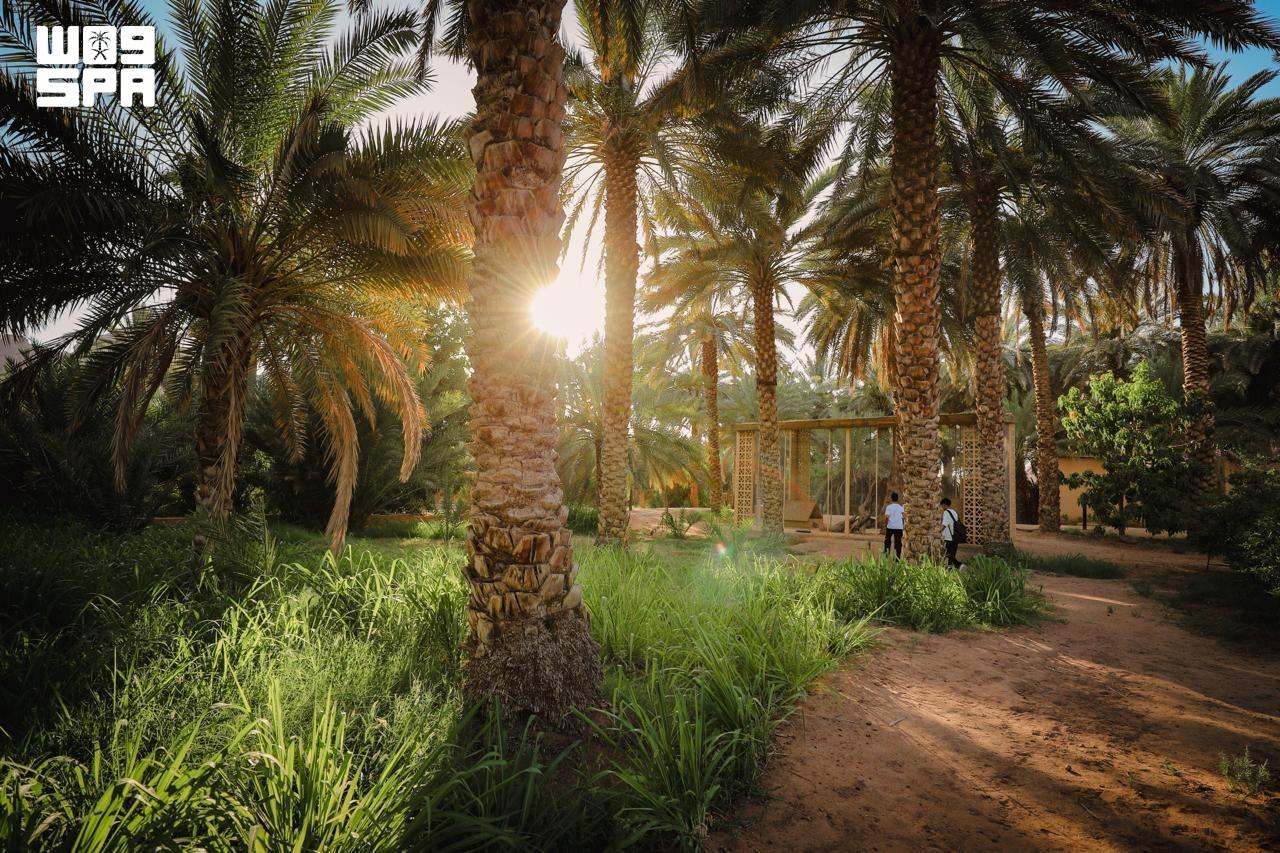
AlUla, Muharram 26, 1448 AH, corresponding to July 11, 2026 (SPA) – The Royal Commission for AlUla Governorate announced the launch of the "Khairat AlUla" agricultural season for 2026-2027, as part of its efforts to enhance the competitiveness of the agricultural sector in AlUla, increase production efficiency, and empower farmers, in support of sustainable development goals in the governorate and in line with the targets of the AlUla Vision, aligned with Saudi Vision 2030. The season extends the Commission's efforts to develop a more efficient and sustainable agricultural system based on digital governance, improving value chains, and strengthening the presence of local agricultural products in markets. These efforts include surveying and registering over 4.2 million palm trees, and incorporating more than 1.5 million palm trees into the smart tracking system via QR codes, contributing to improved production quality and product readiness for marketing and export. Cultivated areas in AlUla extend to more than 20,500 hectares, encompassing a production system that annually yields approximately 130,000 tons of dates and about 14,000 tons of citrus fruits from over 400,000 citrus trees. These indicators support the Commission's targets for 2035, aiming to raise the total output of the agricultural sector to SAR 1.8 billion, increase date sales to SAR 1.507 billion, including SAR 1.226 billion from exports. The Commission continues to provide advisory, technical, and veterinary services to more than 7,100 farmers in the governorate, along with implementing specialized training programs that contribute to human capacity building and increase the number of farms holding the "Saudi Dates Mark," enhancing the quality and competitiveness of local products. In terms of sustainability, the Commission continues to implement circular economy and natural resource management initiatives by utilizing agricultural waste to produce more than 334,000 cubic meters of organic compost, in addition to continuing its strategy to reduce water consumption by 47% by 2035. Efforts include completing designs for modern irrigation systems and measurement tools to cover more than 4,000 hectares in several agricultural sites, including Fadla, Al-Hijr, Al-Manshiya, and Dadan. The "Khairat AlUla" season enriches the visitor experience through a seasonal agricultural program that links local products with AlUla's experience as a sustainable destination, allowing visitors to learn about the diversity of oasis crops and their production seasons within a cultural and economic context that reflects the identity of the governorate. These seasons provide marketing and commercial platforms that bring together farmers, productive families, entrepreneurs, and local projects with visitors and investors, contributing to enhancing the presence of local agricultural products, opening broader economic opportunities for the people of AlUla, and linking agricultural production with the AlUla experience as a sustainable destination with growing economic and cultural value. // End // 13:41 PM (Makkah Time 0039)
AlUla, Muharram 26, 1448 AH, corresponding to July 11, 2026 (SPA) – The Royal Commission for AlUla Governorate announced the launch of the "Khairat AlUla" agricultural season for 2026-2027, as part of its efforts to enhance the competitiveness of the agricultural sector in AlUla, increase production efficiency, and empower farmers, in support of sustainable development goals in the governorate and in line with the targets of the AlUla Vision, aligned with Saudi Vision 2030. The season extends the Commission's efforts to develop a more efficient and sustainable agricultural system based on digital governance, improving value chains, and strengthening the presence of local agricultural products in markets. These efforts include surveying and registering over 4.2 million palm trees, and incorporating more than 1.5 million palm trees into the smart tracking system via QR codes, contributing to improved production quality and product readiness for marketing and export. Cultivated areas in AlUla extend to more than 20,500 hectares, encompassing a production system that annually yields approximately 130,000 tons of dates and about 14,000 tons of citrus fruits from over 400,000 citrus trees. These indicators support the Commission's targets for 2035, aiming to raise the total output of the agricultural sector to SAR 1.8 billion, increase date sales to SAR 1.507 billion, including SAR 1.226 billion from exports. The Commission continues to provide advisory, technical, and veterinary services to more than 7,100 farmers in the governorate, along with implementing specialized training programs that contribute to human capacity building and increase the number of farms holding the "Saudi Dates Mark," enhancing the quality and competitiveness of local products. In terms of sustainability, the Commission continues to implement circular economy and natural resource management initiatives by utilizing agricultural waste to produce more than 334,000 cubic meters of organic compost, in addition to continuing its strategy to reduce water consumption by 47% by 2035. Efforts include completing designs for modern irrigation systems and measurement tools to cover more than 4,000 hectares in several agricultural sites, including Fadla, Al-Hijr, Al-Manshiya, and Dadan. The "Khairat AlUla" season enriches the visitor experience through a seasonal agricultural program that links local products with AlUla's experience as a sustainable destination, allowing visitors to learn about the diversity of oasis crops and their production seasons within a cultural and economic context that reflects the identity of the governorate. These seasons provide marketing and commercial platforms that bring together farmers, productive families, entrepreneurs, and local projects with visitors and investors, contributing to enhancing the presence of local agricultural products, opening broader economic opportunities for the people of AlUla, and linking agricultural production with the AlUla experience as a sustainable destination with growing economic and cultural value. // End // 13:41 PM (Makkah Time 0039)
Original source: SPA


Comments (0)
Be the first to comment.