World Cup Final Brings Together Fans Gloating Over Their Opponents

Rivalry hatred turns into fan and commercial fuel for World Cup matches.
Historic World Cup rivalries drive fans to support their rivals' opponents in revenge for defeat.
Negative identity explains why fans spend to watch hated teams lose in World Cup matches.
Social media platforms turn football competitions from sports hype into identity conflicts.
Conclusion
World Cup rivalries turn into a lucrative fan business, driving viewers to support the enemy of their enemy and revealing the impact of negative identity in sports and social media.
A friend of mine told me in all seriousness that he moved from India to the United Kingdom to be close to Stamford Bridge, the historic home of Chelsea, the team he adores. Two years ago, I was looking for a London team to support, and he convinced me to also back Chelsea.
It was great fun until the end of last season in May, which was miserable by all accounts: Chelsea collapsed to finish outside the top six in the Premier League for only the second time in 31 seasons. To make matters worse, their traditional rival Arsenal won the league title, an achievement they hadn't managed in 22 years.
My friend found solace only in admitting that he derived immense satisfaction from "hate-watching" as he saw Arsenal later lose on penalties to Paris Saint-Germain in the Champions League final. Only then did I breathe a sigh of relief; I realized I wasn't alone in wishing the worst for the Gunners.
Hate-watching opponents with its global dimensions will loom over the 2026 World Cup final this upcoming Sunday.
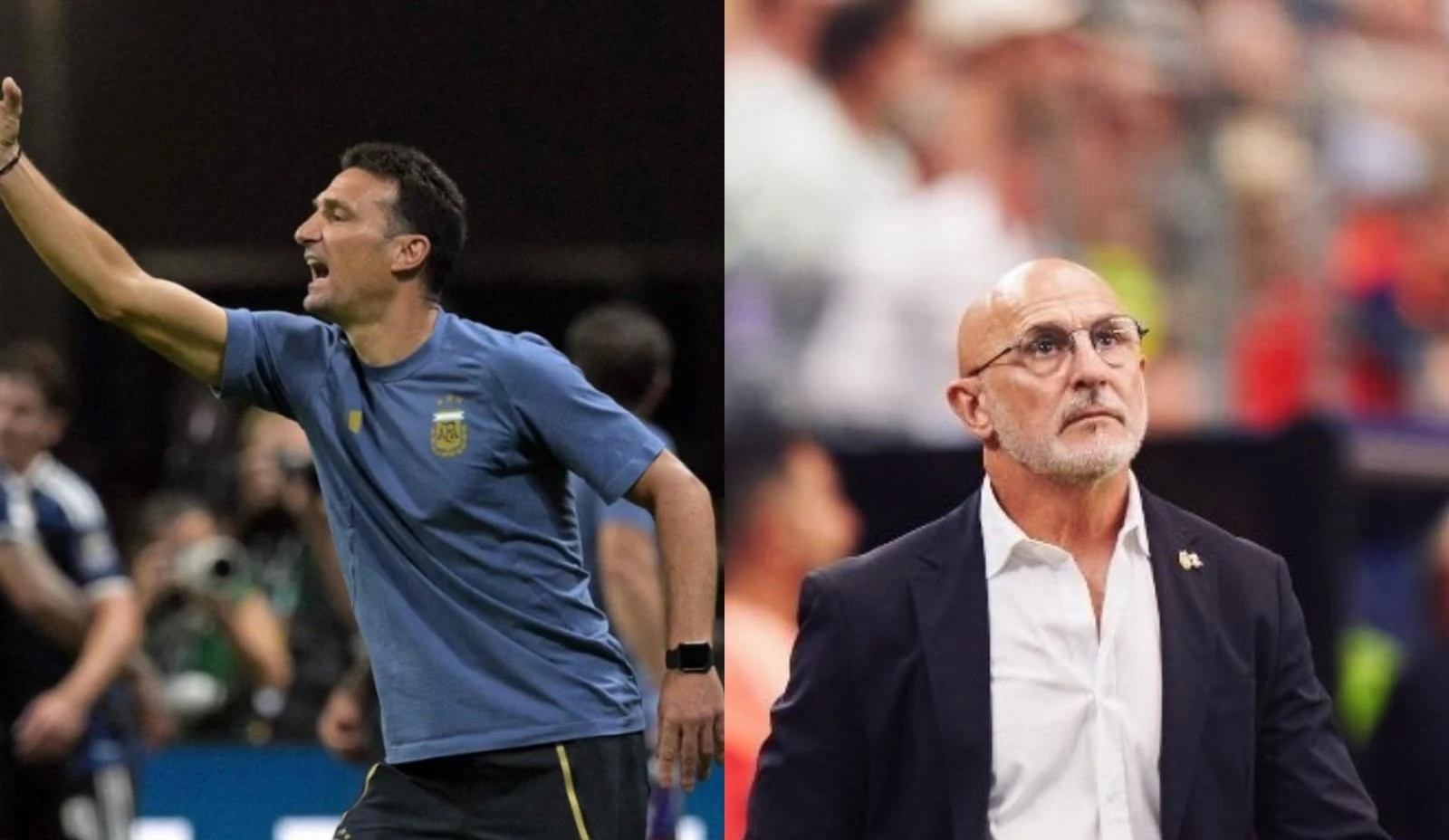
But the semifinal clashes have already begun to charge the entire planet with intense doses of grudges; the reason is that it's not just about fans of France, Spain, England, and Argentina, who advanced to the semifinals, but the matches have become proxy battles that distill the fervent emotions of fans of the original 48 teams, representing over 4 billion people, as they emerge from the bitterness of defeat, controversial refereeing decisions, and emerging regional rivalries.
Football Rivals
All these emotions now converge on one goal: relishing seeing the opponent get what fans consider just deserts, in New Jersey on July 19. If I can't win, my enemy's enemy, in all its plural forms, becomes my tool for silent revenge.
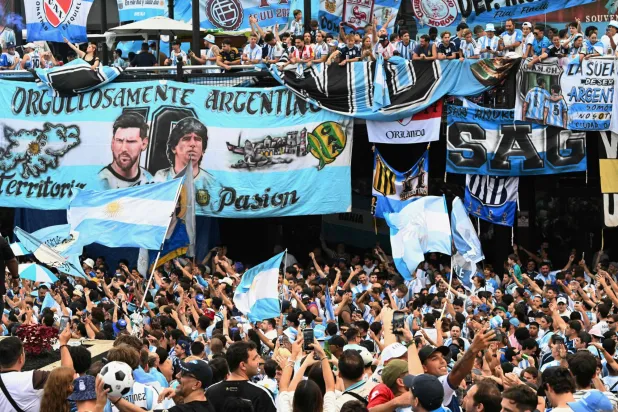
Between Argentina and England there are historic old rivalries (that war; the famous "Hand of God" incident when Diego Maradona scored a goal against England in the 1986 World Cup using his hand).
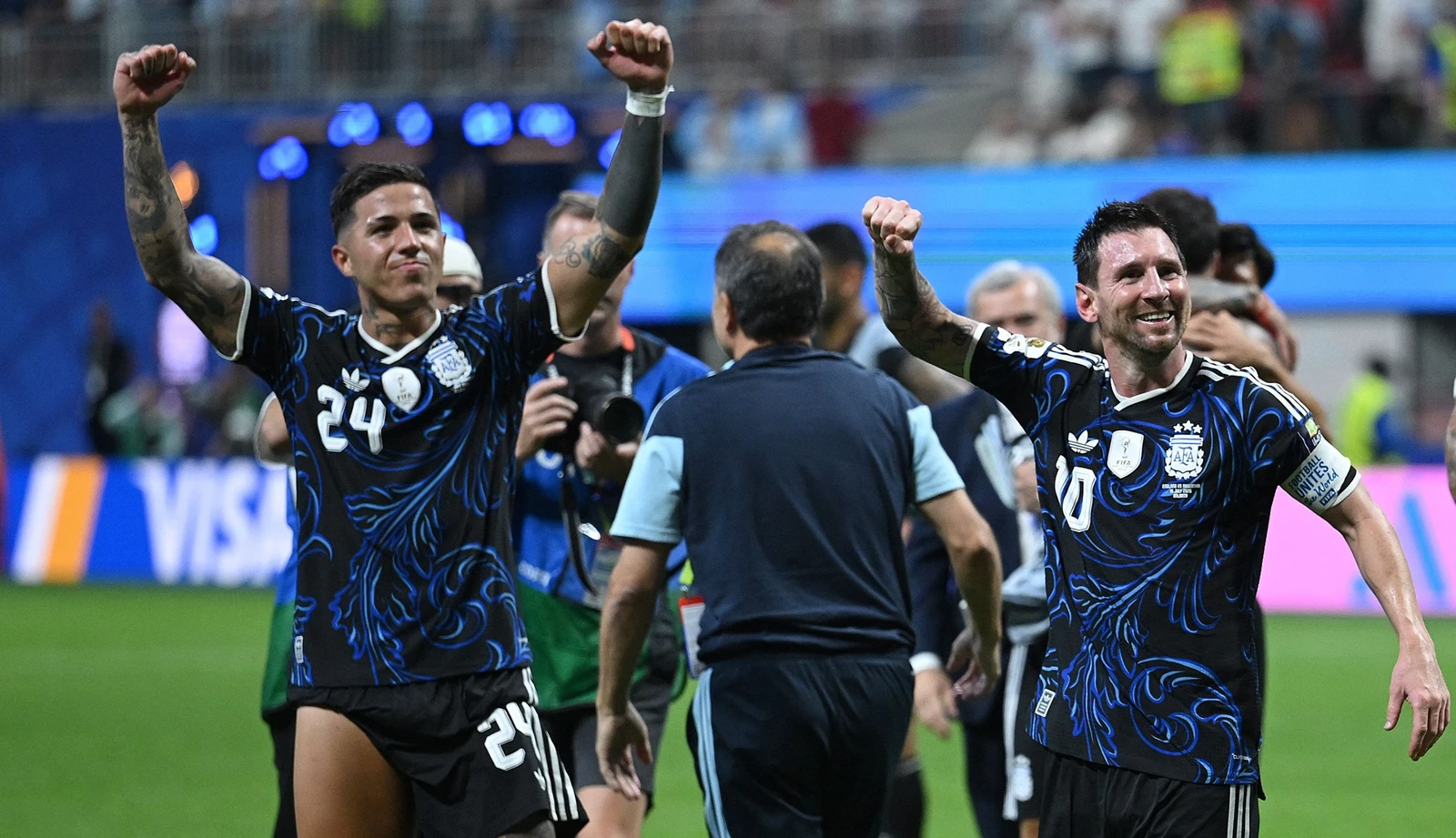
But if you are Egyptian, you likely booed Lionel Messi and his teammates during their match against Harry Kane and Jude Bellingham; the reason is that Egypt is still fuming over the refereeing decisions they believe handed the Latin American team a 3-2 victory in the round of 16.
The English may have historical sins to atone for as Egypt's former colonizer, but the "VARgentina" scandal—a sarcastic nickname combining VAR and Argentina—happened just a week ago! Or just three days ago if you are Swiss and still furious over the same VAR system that favored Argentina in the quarterfinals. It's really hard to stay neutral in such circumstances.
In contrast, millions of new American fans of Norwegian star Erling Haaland might lean toward supporting Argentina, because of the VAR system that stayed silent at the crucial moment!
In the England match, the ball reportedly hit the Spider-cam wire, giving Bellingham a decisive assist from which he scored the equalizer that paved the way for the Three Lions' later victory. Dare we call it the "Camera of Fate"?
Opportunity for Sports Marketers
Hostile emotions have long been fertile ground for sports marketers, although industry experts prefer to call them "fierce rivalries" rather than "hatred."
Naturally, loyal fans remain the foundation, but more important are those who clearly hate other teams and are willing to pay money just to see them lose, preferably at the hands of your team.
There is a scientific term for this type of anti-loyalty animosity called negative identity, defined as defining oneself by what one stands against and opposes.
This concept became common in sociology circles in 2001 following a study of people who identified themselves as opponents of the National Rifle Association (NRA) because of its support for gun rights.
But don't let this academic origin diminish its significance: hate-watching the World Cup is a highly lucrative business; it generates the fervor that fills the stands, sells tickets at astronomical prices, and boosts commerce with the rise of new global icons like Bellingham and Haaland.
However, the market is not always under marketers' control, as social media platforms always open the door wide to raw and brutal emotions, and much worse.
This is clearly evident in the ugly debates about the racial and national identity of the teams. On X, a Paraguayan senator attacked Frenchman Kylian Mbappé, calling him a "colonized Cameroonian desperately pretending to be French."
Then former Spanish Prime Minister Mariano Rajoy joined the fray over the weekend; the conservative politician stated that the French team "does not include a single French player." This came just three days before Spain faced France in the semifinal (which the Spanish won 2-0).
Although both governments condemned the politicians' statements, neither backed down. In fact, some right-wingers in Britain were promoting a similar discourse against Bellingham—who is of mixed ethnicity—until he suddenly became the folk hero who led England to the 2026 World Cup semifinals.
Another Interpretation of Football Jerseys
Of course, not all social media is a field of destruction; there are spaces that have turned into wonderful opportunities for learning and understanding others. We have seen genuine celebration of the continued strong friendship between Bellingham and Haaland after the England-Norway match.
There are also valuable historical lessons to be drawn; for example, journalist Joey De Urso succeeded in condensing the content of his book "More Than a Jersey: How Football Jerseys Explain Politics, Money, and Global Influence" into concise and stunning visual posts on Instagram showcasing the historical roots between the competing nations in the World Cup. His analysis of the French and Spanish teams is a dense and profound mini-thesis on the evolution of the modern "nation-state."
Immigrant players revive the 2026 World Cup..
Original source: Aleqtisadiah
Comments (0)
Be the first to comment.