Europe's Energy Shock Fades Before Our Eyes

European energy traders have spent recent weeks closely watching maps of the Gulf. But they should also be monitoring the Rhine River. While the renewed confrontation between Washington and Tehran has pushed oil prices up and revived concerns about the safety of navigation through the Strait of Hormuz, another threat is quietly emerging closer to home. Water levels at key river navigation gauges, including Cologne and Kaub on the Rhine and Budapest on the Danube, have dropped to levels rarely seen outside severe drought years, forcing barges to reduce their loads and raising transport costs.
In themselves, low rivers are a nuisance. But combined with rising geopolitical tensions in the Middle East, they become more dangerous: a multiplier for energy insecurity.
Major trade routes
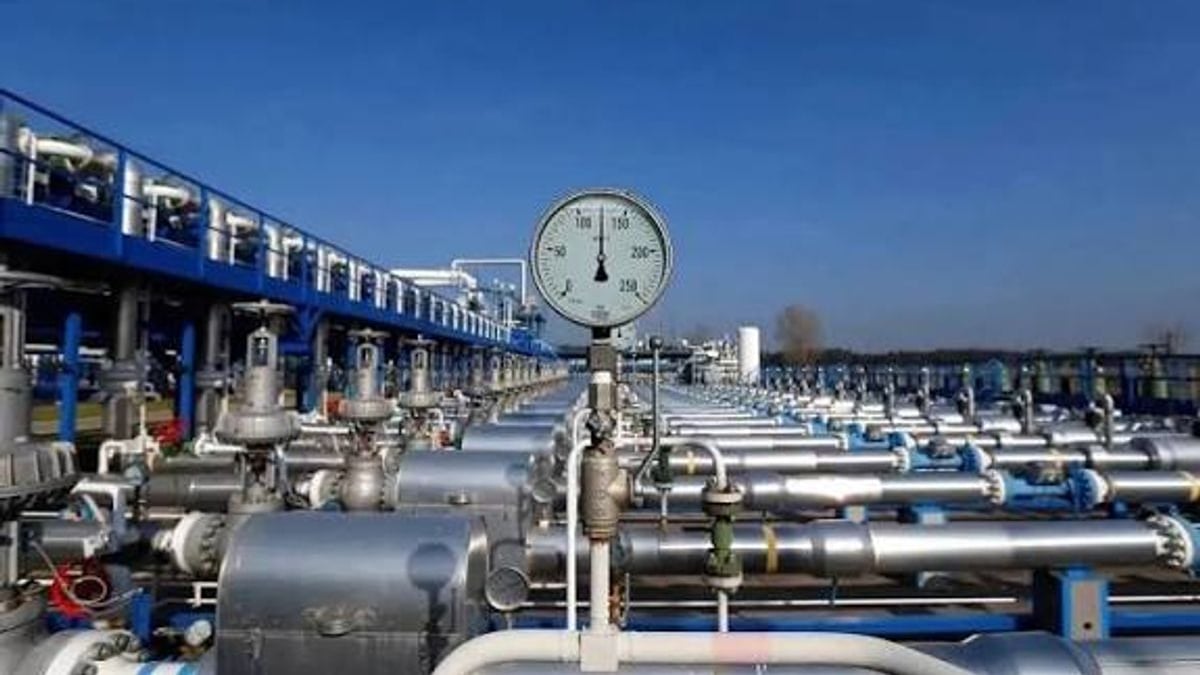
Europe's rivers are the hidden arteries of its energy system. Fuel imported via Rotterdam, Antwerp and Amsterdam still needs to be transported inland to reach refineries, power plants, chemical plants and industrial consumers.
When drought reduces barge carrying capacity, every ton of coal, diesel, gasoline, chemicals or biofuels requires more ships, higher freight rates and longer delivery times.
With renewed hostility between the United States and Iran threatening oil flows through the Strait of Hormuz and pushing energy prices higher, Europe's shrinking waterways threaten to turn an external supply shock into a broader internal logistics crisis.
And the timing could not be worse.
The Rhine is Europe's most important inland commercial waterway. German industry alone relies on it to transport about 200 million tons of goods annually, including fuels and industrial raw materials.
At Kaub, the river's most dangerous chokepoint, water levels have dropped to exceptionally low levels for July, forcing ships to sail with only partial loads. Some operators reported load reductions of 80%, depending on ship type and route. The same applies to the Danube.
In Budapest, water levels have approached their lowest, which usually accompany drought waves in late summer. Shipping companies have already reported that their vessels are operating at only a fraction of their normal capacity, while surcharges have risen sharply as operators try to compensate for lower cargo volumes.
Stress test
This is critical because Europe's energy system has become increasingly dependent on logistical flexibility. After losing large volumes of Russian pipeline gas, Europe rebuilt its energy security by relying on seaborne imports of LNG, oil products and alternative fuel sources. The prevailing assumption was that as long as shipments could reach European ports, markets would remain adequately supplied.
But ports are only the start of the journey.
The Rhine connects North Sea import terminals with Germany's industrial heartland. Coal for power plants, raw materials for chemical factories, and petroleum products for inland consumers rely heavily on river transport. When river levels drop, goods must be shifted to often congested and more expensive rail and truck networks. The result is not necessarily acute shortages, but often a sharp rise in transport costs, directly impacting energy and industrial product prices.
Rising costs
The economic damage is not just theoretical. During previous Rhine droughts, particularly in 2018, Germany experienced tangible industrial disruption and output declines.
The lesson from that experience is that river levels can become macroeconomic variables. When barges stop moving efficiently, factory output, fuel distribution and industrial profitability suffer. Now add the Middle East. Renewed military skirmishes between the United States and Iran have again put the spotlight on the Strait of Hormuz, the world's most important oil transit chokepoint.
Attacks on ships, military strikes and escalating threats have driven oil prices higher and revived fears of disruption to tanker traffic. Even if the strait is not fully closed, increased risk raises insurance, shipping and commodity costs. For Europe, the danger lies in the interaction between these two risks. Typically, oil price rises can be absorbed, temporary shipping disruptions can be managed, and low river levels can be navigated. But when these three factors combine, the system becomes significantly less resilient.
European refineries may face higher crude oil costs due to Gulf tensions, while distributors simultaneously struggle to move fuel inland because of barge restrictions. Chemical producers may face higher raw material prices at the same time as logistics costs rise.
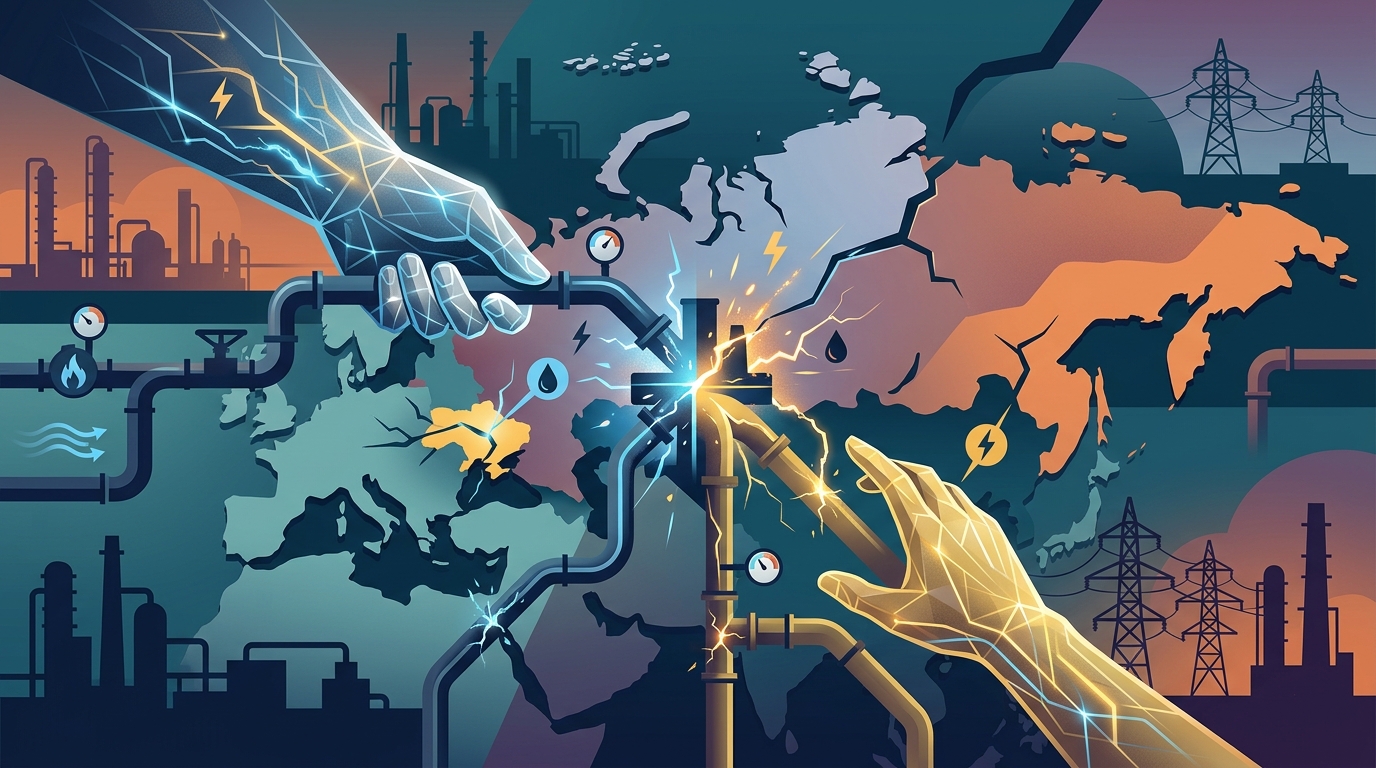
Utilities may find that alternative fuel supplies are available at ports, but getting them to where they are needed is more difficult and costly. Each problem amplifies the others. In effect, Europe's energy supply chain is beginning to resemble a narrowing funnel.
Accumulation of intertwined risks
The irony is that policymakers increasingly view climate change and geopolitics as separate challenges requiring separate solutions. Recent events suggest they have become deeply intertwined. The same heatwaves and droughts that lower Europe's rivers also increase electricity demand and put additional strain on energy infrastructure. At the same time, geopolitical conflict reduces the margin for error in global fuel markets. What looks like a climate problem in Germany can quickly become an energy security problem across Europe.
That is why traders should pay attention not only to missile launches in the Gulf but also to river gauges at Kaub and Budapest. One measures geopolitical risk, the other measures Europe's ability to move the energy it already has. For decades, Europe's energy security was shaped by pipelines, tankers and diplomacy. It may increasingly be shaped by rainfall. And as rivers shrink and conflicts escalate, the continent is facing an uncomfortable truth: sometimes the most dangerous energy chokepoint is not in some far-off part of the world, but closer to home.
Economic columnist for Reuters
Original source: Aleqtisadiah



Comments (0)
Be the first to comment.