Amid Trump's Threats, New 'Hormuz Deadline' Tests Ceasefire Between Washington and Tehran
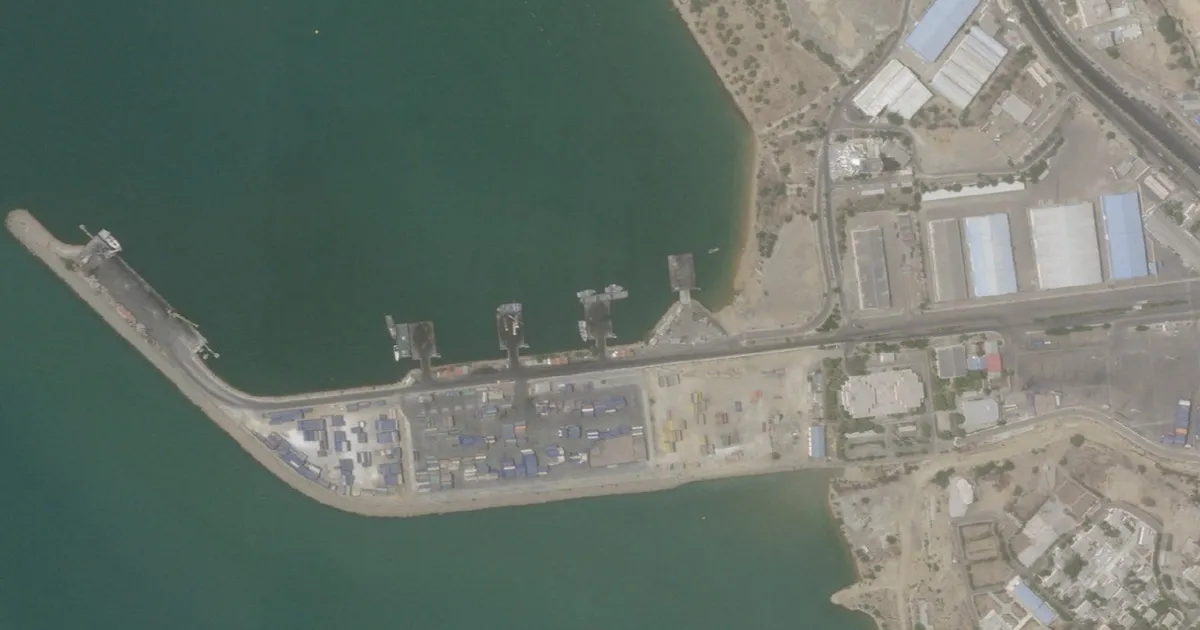
The United States is awaiting Iran's response to its demands to stop targeting commercial ships and ensure freedom of navigation in the Strait of Hormuz, amid warnings from the administration of US President Donald Trump that Tehran's refusal to issue a 'public commitment' on the matter could lead to 'dire consequences,' while Iranian Foreign Minister Abbas Araghchi arrived in Oman on Saturday. Oman has informed the United Nations maritime agency that it does not support imposing transit fees in the strait, contrary to what Tehran demands.
The Trump administration has given Iran until Saturday to announce a halt to targeting ships and ensure freedom of navigation in the Strait of Hormuz, considering Tehran's commitment to this step a test of the seriousness of the nuclear negotiations, while Washington warns of 'dire consequences' if it refuses to comply.
Three US officials said during a press briefing on Friday that this message was conveyed directly to Tehran as well as through regional intermediaries, according to Axios.
These statements raise questions about whether President Trump is preparing for a new shift in his strategy after declaring the 'end' of the ceasefire between the United States and Iran.
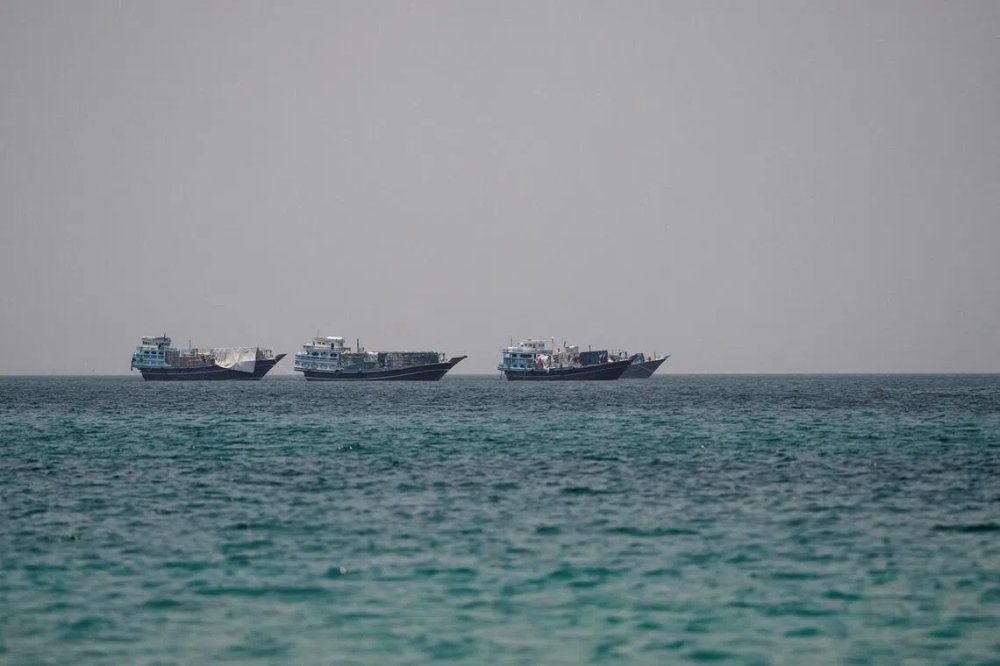
The US administration confirms that Iran violated the 'memorandum of understanding' it signed with the United States three weeks ago, after repeatedly firing on commercial ships in the Strait of Hormuz and its vicinity.
These attacks led to several exchanges of fire and pushed the fragile ceasefire agreement to the brink of collapse, after Trump declared this week the 'end' of the ceasefire.
US officials believe Iran's failure to abide by this 'simple commitment' raises serious doubts about its readiness and ability to implement a more complex nuclear agreement, according to Axios.
US officials say Iranian negotiators told them that 'hardline elements' within the Iranian regime fired on the ships in an attempt to regain leverage, but publicly, Iranian negotiators, Revolutionary Guard commanders, and other senior officials showed a unified stance demanding continued Iranian control over navigation in the strait, as reported by The New York Times.
American Options
The options before the Trump administration include resuming a large-scale war to prevent Iran from acquiring a nuclear weapon, signing an agreement that does not achieve all its demands, or withdrawing from the crisis entirely, although that would leave the issue of control over the Strait of Hormuz unresolved, according to The Wall Street Journal.
Trump told reporters on Wednesday: 'They are violating the agreement every day, lying, cheating, and killing people. They will never have a nuclear weapon under our agreement, but I don't know if we will reach a deal.'
Under the 'memorandum of understanding' signed last June, Tehran pledged to make arrangements to resume navigation and ensure the safe passage of commercial ships. However, hardliners in Iran interpreted the agreement as 'giving them the right to maintain control over the strait.'
US officials considered that what they described as 'Iran's failure' to adhere to the agreement, which granted it financial benefits in exchange for reopening the strait, means that the chances of reaching a more complex agreement to eliminate Iranian nuclear materials and impose long-term restrictions on its nuclear program have 'become slim,' according to The New York Times.
One official added that Iran recently informed the United States that targeting commercial ships was a 'mistake' and that both sides should continue negotiations.
Iran's Uranium Stockpile
The officials also stressed that no nuclear deal can be reached unless Iran hands over control of its buried stockpile of highly enriched uranium to the United States.
They added that Washington has 'low-cost' military options to permanently prevent access to these nuclear materials, despite long-standing concerns about the US ability to verify the amount of uranium that might be destroyed in any attack.
Under the interim agreement, both parties have a 60-day deadline to reach a final nuclear deal, with the possibility of extension. Iran did not explicitly commit to scaling back its nuclear program during the interim agreement, but pledged to work with the United States to reach a satisfactory solution regarding its current stockpile of highly enriched uranium.
The agreement also stipulated that both sides maintain the 'status quo' during the negotiation period regarding Iran's nuclear program and US sanctions. However, the US Treasury Department announced on Friday new sanctions on prominent Iranian businessman Ali Ansari and related companies.
The United States also reinstated this week sanctions that had temporarily allowed Iran to sell its oil on global markets and repatriate dollar proceeds, and resumed military strikes against it. Officials said Tehran's violation of the interim 'memorandum of understanding,' which had eased financial sanctions on those sales, warranted punitive measures.
This comes days after clashes in the Strait of Hormuz, through which about 20% of global oil and gas trade passes, prompting President Trump to order one of the heaviest waves of bombing in recent months.
Iran's Stance
Meanwhile, Iranian Foreign Ministry spokesman Esmaeil Baghaei said on Friday that Foreign Minister Abbas Araghchi's visit to Oman will focus on the Strait of Hormuz and maritime navigation security.
He added: 'Iran accepted a clear responsibility regarding establishing normal arrangements and maritime services related to the movement of ships in the Strait of Hormuz, and we have been very firm in fulfilling this responsibility. Under the agreement, we were supposed to consult and cooperate with Oman in this regard.'
A US official said Iranians contacted the US administration two days after the clashes this week and requested further talks to resolve the dispute.
The official added that the Iranian message was: 'We made a mistake, we were wrong, let's continue dialogue.' However, Esmaeil Baghaei denied that Iran had requested negotiations with the United States, insisting that Tehran only agreed to a request by Qatari mediators to discuss the issue.
The US official added that 'a struggle for influence is underway within the Iranian system over the implementation of the memorandum of understanding and the next steps in negotiations' with the Trump administration.
One official said: 'There are parties within the Iranian system that want to reach an agreement, but we cannot make decisions on their behalf. They must first impose control over the situation.'
Trump's Threats
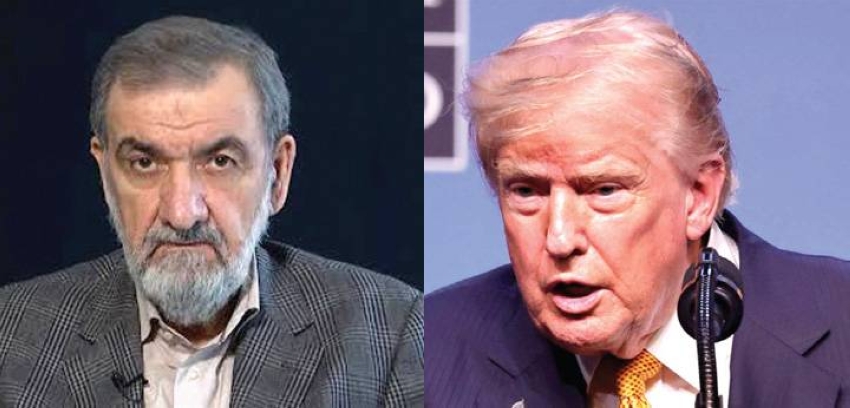
The US president again threatened Iran with 'complete destruction' if it attempts or carries out what he described as plans to assassinate him, following reports that Israel informed the United States of intelligence information claiming a new Iranian plot to target him, while mediators continue efforts to contain tensions between Washington and Tehran.
Trump said in a post on Truth Social early Saturday that 'there are a thousand missiles ready to launch and aimed at Iran, and thousands more will follow immediately' if Tehran carries out its plan to 'assassinate the President of the United States or attempt his assassination.'
Original source: Asharq News


Comments (0)
Be the first to comment.