Vance: Iran Must Abide by Agreement or Face Harsher US Response
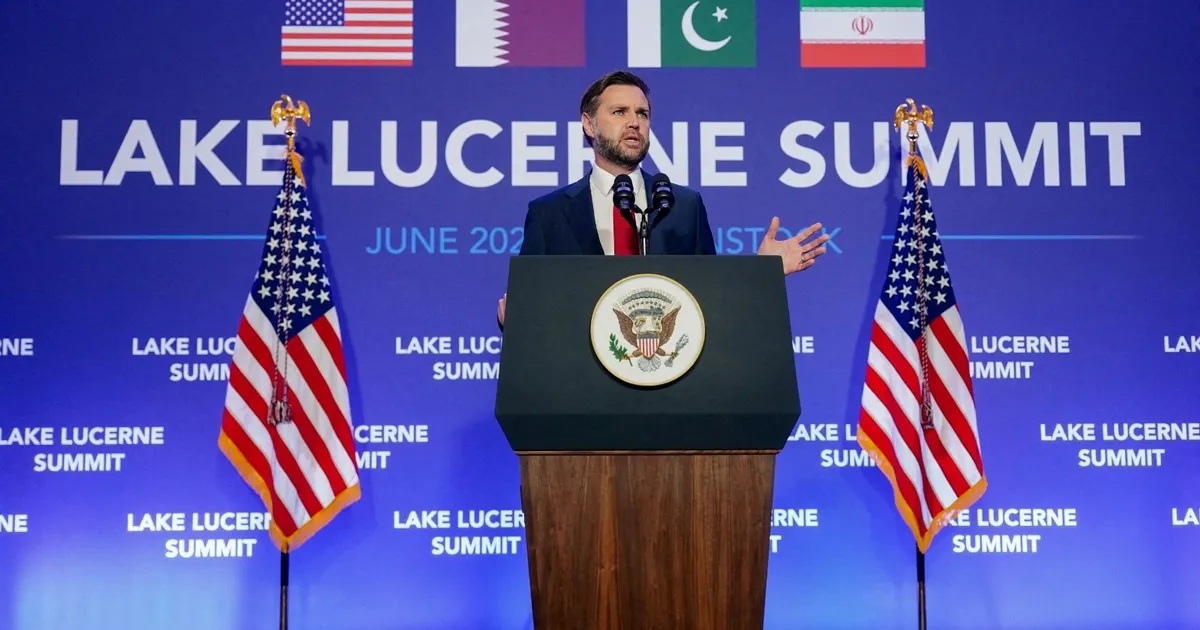
US Vice President JD Vance said Wednesday that President Donald Trump 'still has many options' in dealing with Iran, stressing that the Strait of Hormuz will remain open and that the United States will continue to respond forcefully if Tehran resumes targeting ships.
Vance said Trump made it clear that the Strait of Hormuz 'will remain open, and that means oil and gas will continue to flow,' emphasizing that this waterway is a vital artery through which much of the world's energy supplies pass.
He added that 'Iran faces two choices: either abide by the agreement, or face what happened to them last night,' asserting that the United States will continue its operations 'until they open that waterway and stop targeting ships.'
Vance noted that the United States reached an agreement with Iran, adding that 'their military capabilities have been destroyed,' and that 'some people within the Iranian system say they want to change the relationship with the United States and open a new page.'
He added that Trump responded by saying: 'Well, we will sit at the negotiating table and see if the sane people inside that system can replace the crazy ones.'
The US vice president explained that the agreement reached by the two sides was based on a simple principle, saying: 'We will lift the blockade if you stop targeting ships, but if you fire on ships, we will respond, and we will respond more forcefully than ever.'
He stated that Iran adhered to that 'for about a week,' before it resumed, according to him, targeting ships in the past 24 hours.
Tension in the Strait of Hormuz
Vance's remarks come amid rising tension in the Strait of Hormuz following an attack on two tankers near the strait and the subsequent US response.
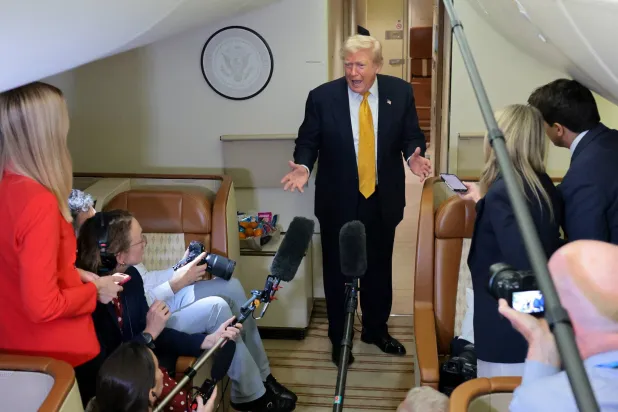
Earlier Wednesday, Trump said he was no longer sure he wanted to reach an agreement with Iran, considering the interim deal the two sides reached last month as 'over,' but he also said he does not believe war with Iran will erupt again, vowing to respond to any new attacks.
In contrast, Pakistan, which brokered the 'Islamabad Memorandum of Understanding' between Washington and Tehran, called on both sides to fulfill their commitments, stressing that the memorandum remains a basis for understanding and stability in the region.
Original source: Asharq News

Comments (0)
Be the first to comment.