As UNIFIL Mission Nears End, Germany Proposes European Force in Lebanon

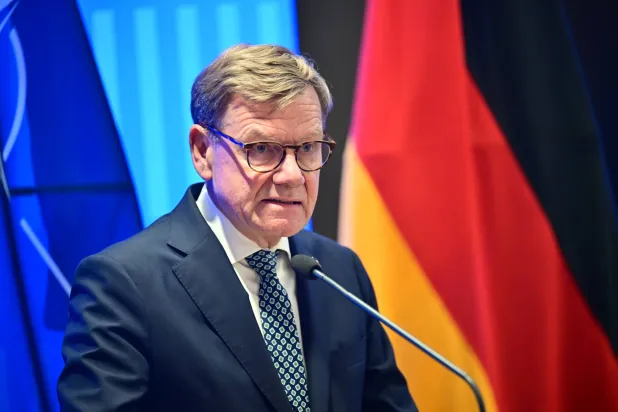
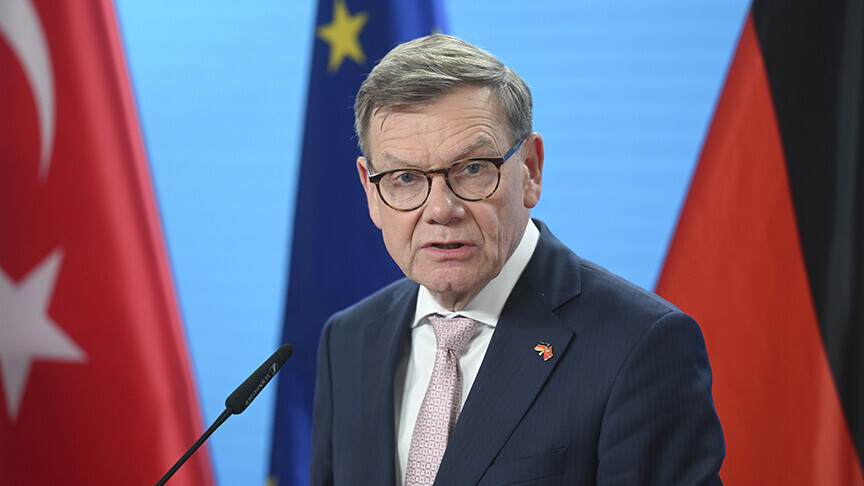
German Foreign Minister Johann Wadephul proposed a European Union force in Lebanon to replace the United Nations peacekeeping mission UNIFIL, whose mandate is expected to expire soon, to prevent any security vacuum.
In an interview published by the "Redaktionsnetzwerk Deutschland" network on Friday, he said: "We in the European Union should consider whether we can ensure no security vacuum occurs with a European mandate following the UNIFIL mission," referring to the United Nations Interim Force in Lebanon.
The UNIFIL mission ends on December 31, 2026, and the German parliament extended the country's participation in the mission for the last time a few weeks ago.
Wadephul said that Lebanon, with a stable government, represents "one of the most promising developments in the region at present."
Lebanon and Israel held ambassador-level talks at the U.S. Embassy in Rome on Tuesday and Wednesday, the sixth round of direct negotiations since a new war broke out on March 2 between Israel and Lebanon's Hezbollah group due to the Iran war.
The German minister said that a force with a European Union mandate could "create the conditions for the withdrawal of the Israeli army without the return of Hezbollah with its terrorism."
European proposal
This proposal comes as European countries seek to maintain stability in the region while balancing relations with Israel and Lebanon.
The bloc had raised the possibility of forming a three-year military and civilian mission to advise and train Lebanese forces, including in the field of border security and maritime security.
In a document dated June 17 and circulated to European Union member states, the European External Action Service said a potential mission would have an "initial mandate duration of 3 years" and "would support Lebanese authorities in strengthening territorial control and border security by enhancing the capabilities of the Lebanese army and security forces."
The proposal also stated: "To this end, the mission will focus on strengthening border regiments, mobile forces units and regional gendarmerie units, and enhancing intelligence, surveillance and reconnaissance capabilities, and enhancing maritime security capabilities, including border and port security management."
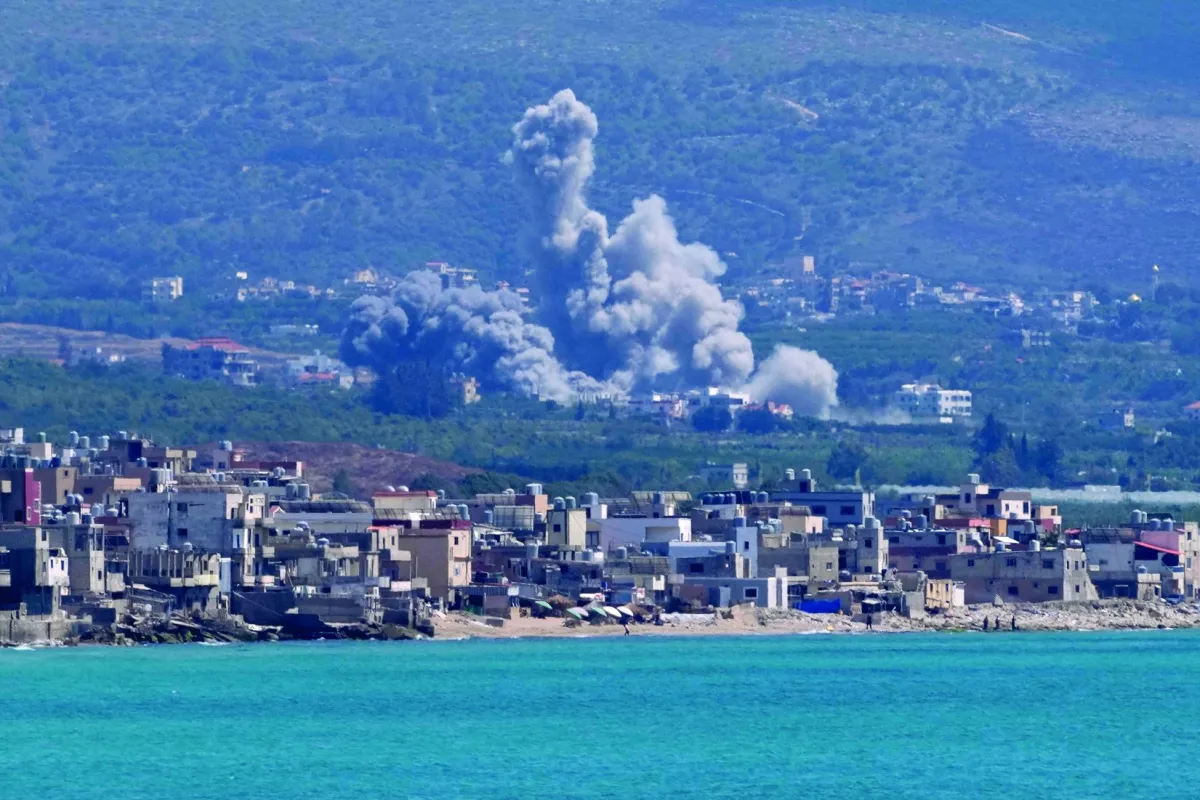
These efforts face obstacles due to the presence of Israeli forces, which seized a wide area of southern Lebanon during a war that broke out when Hezbollah confronted Israel in a show of support for Tehran, days after the United States and Israel launched strikes on Iran.
Framework agreement
Meanwhile, the sixth round of Lebanese-Israeli negotiations concluded in Rome on Wednesday, focusing on the item related to starting the implementation of the first phase, the Israeli withdrawal from two model areas, and the timeline for this withdrawal.
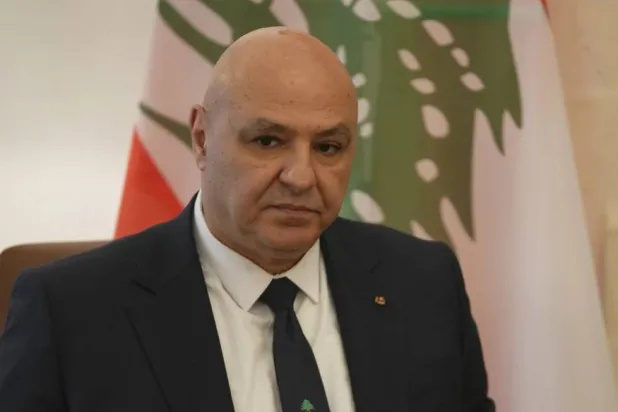
Sources in the Lebanese presidency told Al-Sharq that the only positive outcome of the meeting was the identification of the withdrawal from the "two model areas" (experimental), stressing that the military meeting, which will be held on Friday between the Lebanese and Israeli military delegations, with the participation of the American delegation via video, will definitively determine the names of these two areas and the mechanism to be adopted.
The model towns from which the negotiators discussed the Israeli withdrawal and the deployment of the Lebanese army remain towns that are occupied or under Israeli fire.
These areas include "Zoutar al-Sharqiyya" occupied by the Israeli army, and "Zoutar al-Gharbiyya" where the Israeli army is deployed on its outskirts, along with "Burj Qalawiyah", "Sarifa", and "Frun", villages that are under continuous Israeli shelling.
The sources confirmed that the Lebanese army is already present in these unoccupied southern areas and will reinforce its presence there.
The sources explained, during their talk with Al-Sharq, that these areas are "still under discussion," pending the results of Friday's meeting, and their scope may gradually expand according to the timeline that the negotiations will yield.
Original source: Asharq News


Comments (0)
Be the first to comment.