As Chinese economy slows, experts say there will be ‘problems for Beijing’

While the 'export engine is running very hot', jobs are lagging, squeezing spending in China.

By Megha Bahree
Date of publication: 17 Jul 202617 Jul 2026
China's economic trajectory is a critical barometer for global markets, with any slowdown prompting reassessment of growth strategies.
China’s economy slowed sharply in the quarter ending June, revealing vulnerabilities in the country’s growth model, which is predominantly propelled by exports with little appetite for domestic consumption, experts say.
Second-quarter GDP grew at 4.3 percent, the slowest pace in over three years and below the previous quarter's 5 percent, despite an export surge fueled by AI demand and Chinese EV sales.
Recommended Stories
list of 4 items
- list 1 of 4US to impose new 25 percent tariffs on some Brazilian imports
- list 2 of 4How serious is Iran’s threat to disrupt shipping in the Red Sea?
- list 3 of 4Ilhan Omar renews push for US to join ICC amid Trump pressure
- list 4 of 4FIFA to probe Argentina’s Falklands banner display at World Cup semifinal
end of list
“These numbers reveal the story we’ve known all along, that there are essentially two stories here – there are areas of exports that are booming, but domestic consumption remains sluggish,” said Vina Nadjibulla, vice president at the Asia Pacific Foundation of Canada.
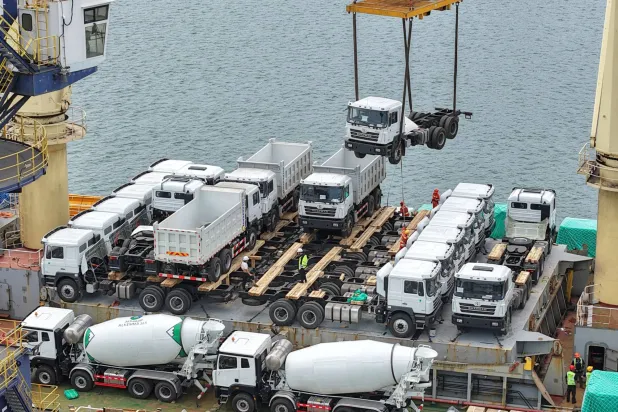
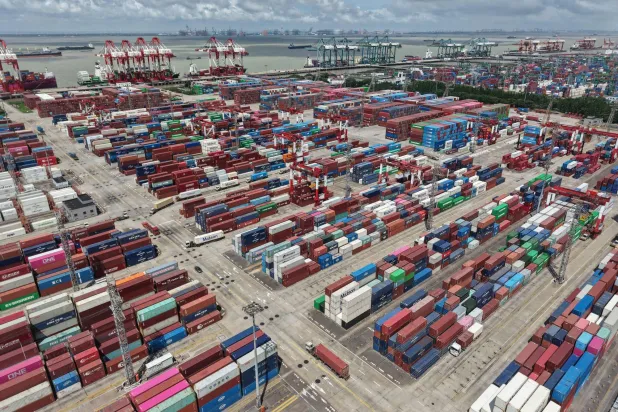
June exports jumped 27 percent from a year earlier, even better than May’s increase of 19.4 percent, helping the world’s second-largest economy record a trade surplus of $125.6bn in June, up from $105.4bn the previous month.
While that has helped propel the economy, it will “put pressure on China’s trading partners,” said Nadjibulla. “Countries are already asking China to correct its trade imbalances and address their concerns.”
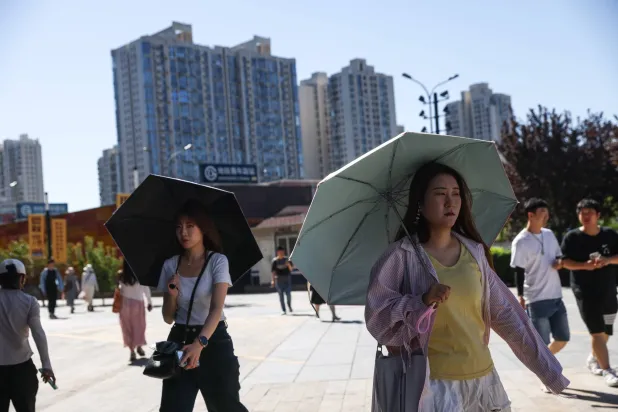
Simultaneously, China has faced difficulties boosting domestic consumption, particularly as the real estate sector—where many households invested savings—has collapsed in recent years, eroding wealth and causing consumers to reduce spending and increase saving.
“Chinese consumers have been forced to tie their wealth to property,” said Juliet Lu, assistant professor in the School of Public Policy and Global Affairs at the University of British Columbia, a sector that had been built up on speculative investments and saw massive losses in the past few years.
“Between that and the losses that occurred during the COVID-19 pandemic, people became very conservative in spending, Lu said.
“Ordinary Chinese citizens have been squeezed. Cheap goods and exports come at the expense of Chinese workers,” she said.
‘Job creation is lagging’
Reza Hasmath, academic faculty adviser at The China Institute at the University of Alberta, agreed.
While “the export engine is running very hot” and most of the economy is being led by that, the domestic side is a different story as “job creation is lagging and this will create problems for Beijing”, Hasmath told Al Jazeera.
He added, “We see the young generation – under age 25 – their prospects of meaningful employment decreasing. They will be underemployed or unemployed, their incomes depressed. This cohort is taking a brunt of the economic issues.”
Hasmath warns that things will worsen if the country continues on its current trajectory of a technology exports-led boom rather than domestic growth.
“Then you’ll see the rest of the age cohort feeling it as well.”
The Chinese government’s social contract used to be that you’ll get wealthy in China, Hasmath said. “Now you can see the social contract changing with campaigns [spreading a message] that it’s essential to give back to society and don’t expect to get wealthier.”
But economists are not necessarily expecting a major fiscal stimulus from Beijing, either.
“The government is interested in paying down debt more than spending,” said Mark Kruger, an economist affiliated with think tanks including the Centre for International Governance Innovation and the Yicai Institute, and who is now based in Shanghai.
“My sense is the government is not going to panic here,” as its average GDP growth so far this year is 4.7 percent and that’s within its range of annual growth of 4.5 percent to 5 percent, said Kruger.
“Data goes up and data goes down.”
Oil imports
The drop in economic growth also comes against a backdrop of the United States and Israel’s war on Iran and Tehran’s retaliation on energy sites of US allies in the region, and the closure of the Strait of Hormuz through which a fifth of global oil supplies typically pass, including to China, a significant importer.
“One of the big things that helped stabilise the global economy was that Chinese imports of oil dropped,” during the past few months as it dipped into its reserves, said Rachel Ziemba, senior adjunct fellow at the Center for a New American Security.
“But now it’s starting the third quarter with oil supplies again disrupted. The question is how will China’s role in the supply chain manifest,” said Ziemba, as pricier fuel will push up inflation and reduce demand, leading to weaker growth.
“That is the big thing people are watching for now, especially with the Strait of Hormuz again mostly closed.”
The divergence between robust exports and weak domestic consumption underscores structural imbalances in China's economy. Persistent trade surpluses risk friction with trading partners, while the real estate crisis and cautious consumer behavior highlight the need for rebalancing. Policymakers face the challenge of sustaining growth without exacerbating external tensions or internal vulnerabilities.
Original source: Al Jazeera

Comments (0)
Be the first to comment.