Israel sets October 27 for elections amid race between Netanyahu and Eizenkot
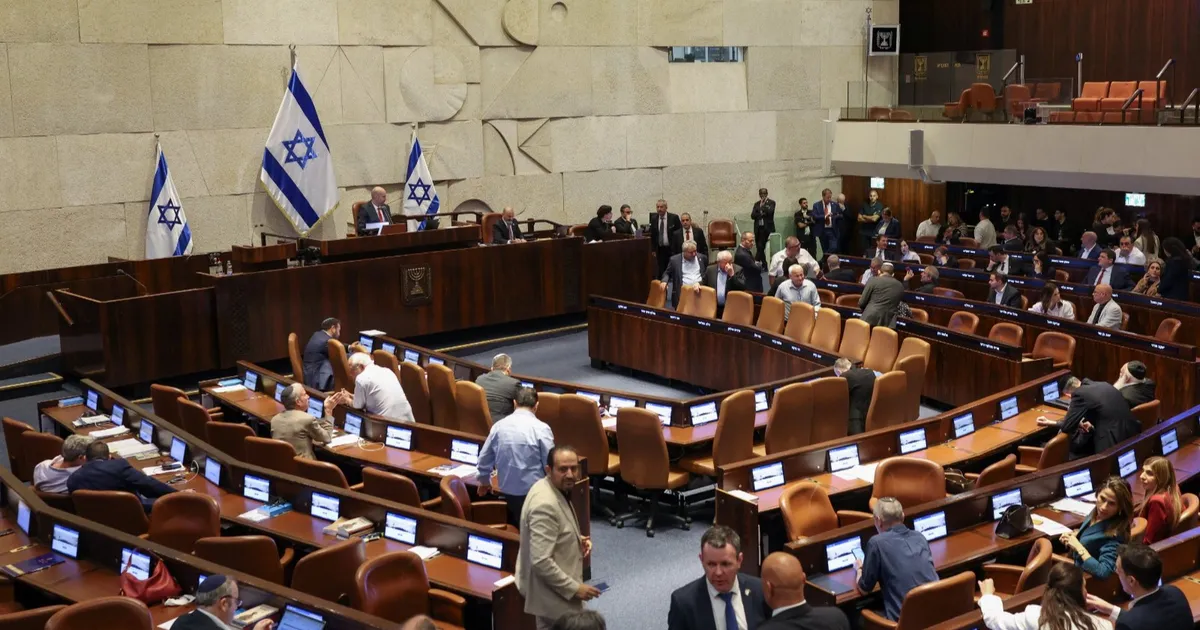
The head of the parliamentary committee responsible for organizing the work of the Knesset, Ofir Katz, announced on Sunday that the Israeli elections will be held on their legally scheduled date of October 27, after confirming that the current parliament will continue until the end of its term without being dissolved early, amid a tight electoral race between the Likud party led by Prime Minister Benjamin Netanyahu and opposition parties, led by the Yashar party headed by Gadi Eizenkot.
Katz, a lawmaker from the Likud party, made the announcement during a session held by the Knesset committee to discuss legislation related to party funding in preparation for the elections.
The Knesset's legal adviser, Sagit Afik, said during the session that the current Knesset 'will complete its full term and will not be dissolved,' explaining that holding the elections on schedule does not require passing a bill to dissolve it.
According to The Times of Israel, the current Knesset will complete its full term, with the government continuing to carry out its duties until a new government is formed after the October elections.
The newspaper reported that the upcoming elections will be the first held on their scheduled date in Israel in about 40 years, and it will be the first time in more than 50 years that an Israeli government completes a full term.
Key competing forces
Likud, led by Netanyahu, leads the governing coalition camp, which includes the religious Shas party for Sephardic Jews, the United Torah Judaism party representing Haredi Jews, along with the Jewish Power party led by Minister of Internal Security Itamar Ben-Gvir, and the Religious Zionism party led by Finance Minister Bezalel Smotrich.
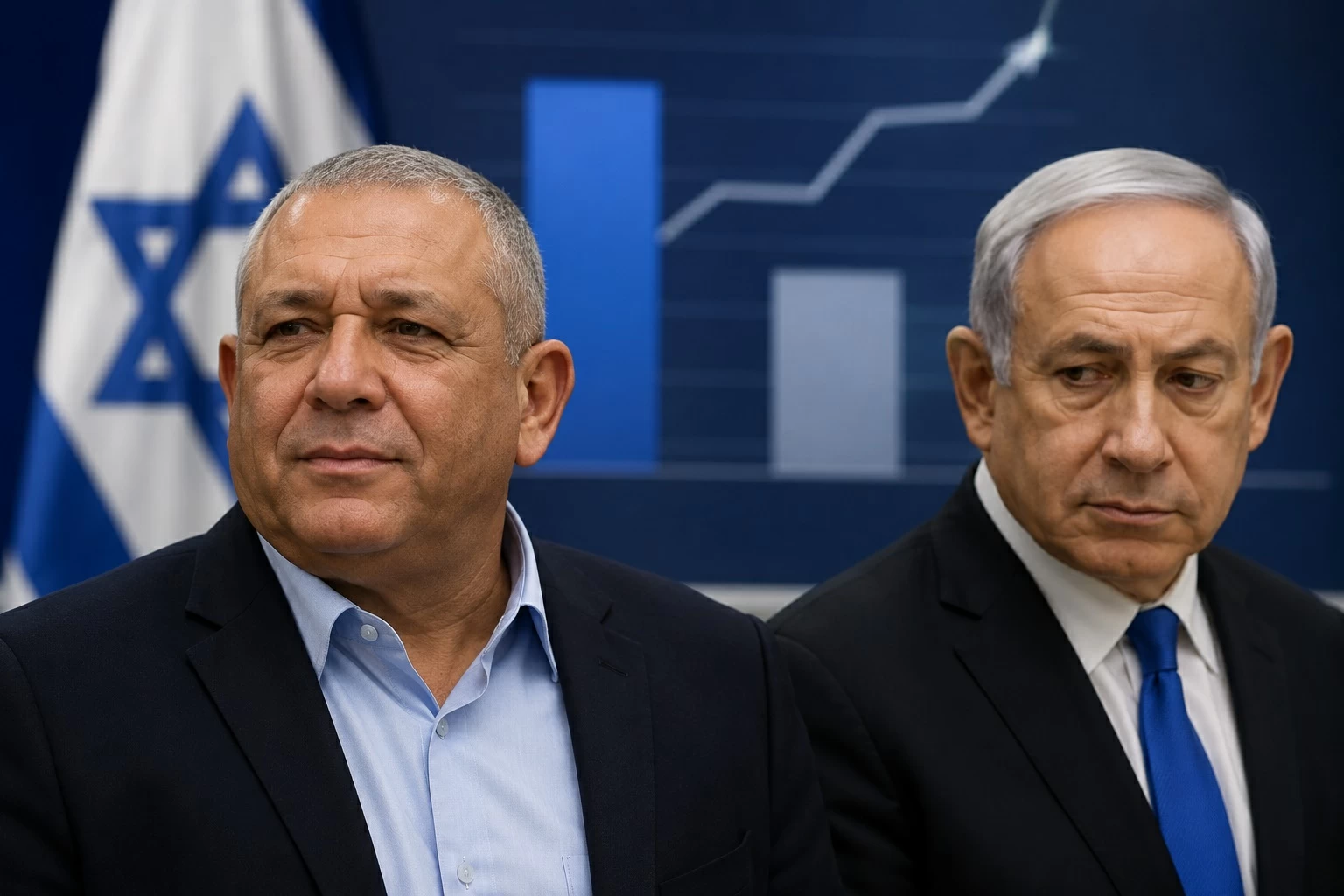
In the opposition camp, the Yashar party led by former Israeli Chief of Staff Gadi Eizenkot has emerged as one of the main competitors to Likud, after recent polls showed it ahead of the rest of the opposition parties and closing in on Netanyahu's party.
Also competing is the 'Together' alliance, formed by former prime ministers Naftali Bennett and Yair Lapid by merging the Bennett 2026 and Yesh Atid parties into a joint list led by Bennett. The alliance, which brings together right-wing and centrist wings, seeks to unite part of the opposition and present an alternative to Netanyahu.
The opposition forces also include the right-wing Yisrael Beiteinu party led by Avigdor Lieberman, the left-wing Democrats party led by Yair Golan, as well as the Arab parties, foremost the United Arab List and the Front and Arab Change.
The prime minister in Israel is not directly elected; rather, any candidate's chance of forming a government depends on their ability to build a coalition that receives the support of at least 61 of the 120 Knesset members, giving post-election coalition negotiations decisive importance.
Tight race in polls
The latest Channel 13 poll, published on July 8, showed the Yashar party led by Eizenkot leading Likud for the first time, with 23 seats to 22, while the Together alliance led by Bennett and Lapid came third with 15 seats.
When voters were asked who is the most suitable candidate for prime minister, Eizenkot led Netanyahu with 46% to 36%, while 18% were undecided.
Another poll published by the Israeli Broadcasting Corporation Kan reinforced the same trend, giving Yashar and Likud 23 seats each, compared to 53 seats for the governing coalition and 67 for the opposition, including the Arab parties.
The results indicate that Eizenkot has become the closest competitor to Netanyahu, ahead of Bennett and Lapid within the opposition camp, but also show that the opposition's lead in total seats does not guarantee it can form a government, as the Jewish opposition parties need the support of the Arab parties to reach a majority of 61 seats.
Original source: Asharq News


Comments (0)
Be the first to comment.