Does Using Deodorant Cause Breast Cancer?

A comprehensive review of scientific evidence regarding the link between deodorants, antiperspirants, and breast cancer, debunking common myths about aluminum and parabens while offering practical safety guidelines.
For years, warnings have circulated that using underarm deodorant could lead to breast cancer, especially if the product contains aluminum, parabens, or is applied immediately after hair removal.
Some rumors even claim that antiperspirants "block pores" and prevent the body from eliminating toxins, which over time turn into tumors.
However, this terrifying picture does not reflect what science has discovered so far.
Deodorant and Cancer
The claim that deodorant or antiperspirants cause breast cancer—for example—is an unsupported myth with no available evidence, and no reliable studies prove a causal relationship between the routine use of these products and the incidence of cancer.
The latest meta-analysis of studies, published in 2024, concluded that there is no risk of developing breast cancer due to the use of deodorants or antiperspirants.
Nevertheless, it remains scientifically valid to study the long-term exposure to certain ingredients, especially since most available human evidence relies on a limited number of observational studies rather than trials designed to prove causality.
These concerns essentially stemmed from laboratory studies suggesting that aluminum might interfere with estrogen hormone signals or affect breast cells.
Estrogen is indeed capable of stimulating the growth of certain hormone-sensitive breast cancers.
However, the U.S. National Cancer Institute confirms that studies "have not yet proven substantial adverse effects of aluminum used in antiperspirants that can be linked to an increased risk of breast cancer."
Deodorant Harms
An extensive 2014 scientific review found no clear evidence that underarm cosmetics containing aluminum increase the risk.
An evaluation by the European Scientific Committee on Consumer Safety concluded that aluminum exposure resulting from the daily use of cosmetics does not significantly add to the body's total burden from other sources, most notably food.
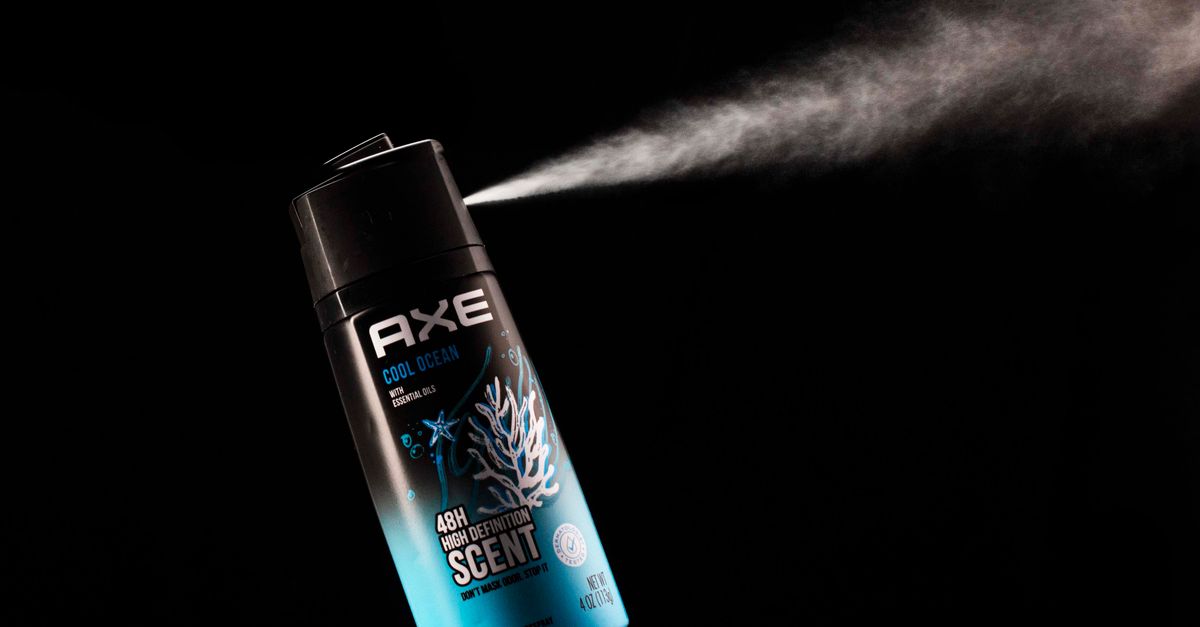
The committee considered aluminum compounds in non-spray deodorants and antiperspirants safe up to a concentration equivalent to 6.25% aluminum, and up to 10.60% in spray products.
This evaluation does not mean that every amount of aluminum is safe under any circumstance, but rather that cosmetic use within evaluated limits and formulations has not been shown to pose an unacceptable risk.
Causes of Breast Cancer
Following a series of previous studies, researchers in 2024 pooled the results of 7 case-control studies addressing the use of antiperspirants or deodorants and breast cancer risk.
The analysis found no statistically significant difference between users and non-users.
Had these products been a major cause of breast cancer, the analysis would have shown a repeated and clear increase in risk across different studies, which did not happen.
Nevertheless, the degree of heterogeneity between studies reached about 60%, and the analysis relied on older and newer observational studies that varied in how use was defined and measured. Therefore, it cannot absolutely prove "zero risk," but it provides the strongest available summary of human studies and does not support the claim that normal use increases breast cancer.
Parabens: The Concerning Substances
Parabens are a group of preservatives that prevent the growth of bacteria and fungi in cosmetics. Cell experiments have shown that some types can mimic estrogen activity, although their potency is usually much weaker than the natural hormone.
A study that detected traces of parabens inside breast tumor samples sparked widespread concern; however, discovering a substance in a tumor does not mean it caused it. Substances can reach tissues after exposure to multiple sources, and these studies do not reveal when the substance entered, which product it came from, or whether it preceded the formation of the tumor.
The U.S. National Cancer Institute states that although parabens have been found in some breast tumors, there is no evidence that they caused the cancer. Furthermore, most deodorant and antiperspirant products on the U.S. market no longer contain parabens anyway.
Common Cancer Myths
Antiperspirants reduce sweat in a limited area of the skin through temporary plugs inside sweat ducts. They do not close the lymphatic system, do not block the deep lymph nodes in the armpit, do not prevent them from performing their immune function, and using them under the arm does not stop sweating in the rest of the body.
There is no human evidence proving that reducing underarm sweat leads to trapping carcinogenic substances in breast tissues. The National Cancer Institute explicitly classifies the claim that antiperspirants or deodorants cause breast cancer among the "common myths" about cancer.
Nevertheless, U.S. Food and Drug Administration guidelines state that antiperspirants should not be applied to broken skin and use should be discontinued if a rash or irritation appears. This is intended to protect the skin and reduce absorption and inflammation, not as an admission that the product causes cancer.
Deodorant and Breast Imaging
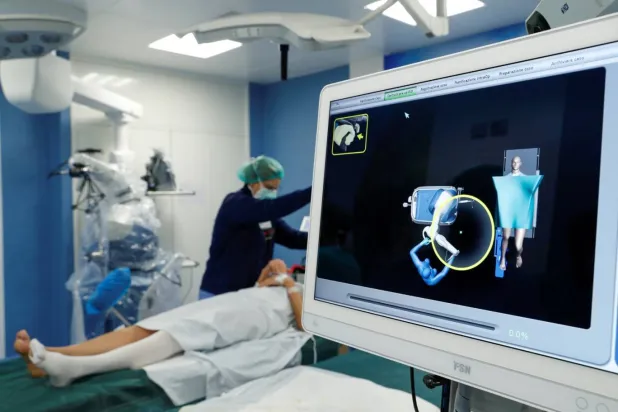
Radiology centers typically ask women not to apply deodorant, antiperspirant, powder, or creams under the arms and in the breast area on the day of a mammogram for breast cancer screening.
This is because some components of these products can appear on X-ray images as tiny white spots, which may interfere with reading the image or resemble the calcifications radiologists are looking for.
Kidney Patients and Antiperspirants
U.S. regulations require manufacturers of aluminum-containing antiperspirants to include a statement asking individuals with kidney disease to consult a physician before use. Warnings also include not applying the product to broken skin, discontinuing use if a rash occurs, and avoiding inhaling sprays.
According to scientific studies, this warning does not mean that antiperspirants cause kidney failure or cancer in healthy individuals; rather, it is an important precaution for those with advanced renal impairment, as their ability to process and eliminate certain substances may differ, especially if high-concentration medical products are used to treat hyperhidrosis.
While evidence does not support a cancer risk, these products can cause genuine skin issues.
Natural Deodorant
The word "natural" is not a medical guarantee of safety, and the phrase "aluminum-free" does not mean a product has proven its ability to lower cancer risk.
Natural deodorants may contain baking soda, essential oils, or plant extracts, which can cause irritation or allergies for some users.
Additionally, some products known as "crystal" deodorants contain alum salts, which are compounds containing aluminum, despite sometimes being marketed as an aluminum-free alternative.
Tips for Choosing a Deodorant
Anyone who does not suffer from excessive sweating and simply wants to control odor can choose a deodorant without antiperspirant ingredients. Heavy sweaters can use an antiperspirant containing one of the aluminum salts, within a well-known and registered product, following the instructions and avoiding overuse.
For sensitive skin, it is preferable to choose a product labeled fragrance-free rather than "unscented," because an unscented product may contain masking fragrances designed to hide the odor of other ingredients.
The American Academy of Dermatology advises testing the product on a small area of skin and discontinuing use if a rash or persistent itching appears.
Original source: Asharq News



Comments (0)
Be the first to comment.