Egyptian Central Bank Decision Banks Bet On to Boost Liquidity
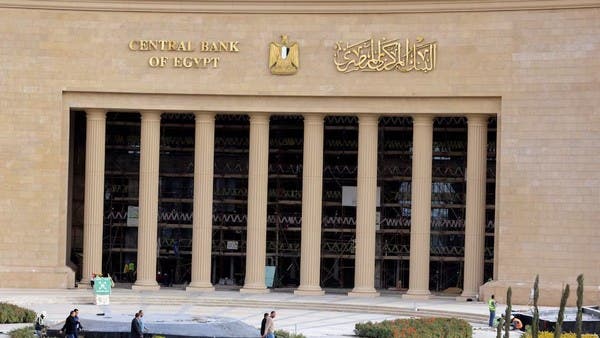
تتصاعد التوقعات في القطاع المصرفي المصري لاحتمال خفض البنك المركزي نسبة الاحتياطي الإلزامي من 16% إلى 14% لتوفير سيولة إضافية، وسط منافسة محتدمة على الودائع ونمو الطلب على الائتمان.
Listen to the article: Auto-generated audio from an automated system
0:00
3-minute read
The intensifying competition among Egyptian banks to attract deposits, alongside growing demand for credit, has bolstered market expectations that the Central Bank of Egypt may cut the reserve requirement ratio from 16% to 14%—a move that could provide additional liquidity to banks, lower the cost of funds, and support credit expansion.
Despite these expectations, bankers and analysts told Asharq Business that any move in this direction remains contingent on the inflation trajectory and the economy's ability to absorb new liquidity without additional price pressures.
Data from the Central Bank of Egypt showed that the loan-to-deposit ratio rose to 68.4% by the end of March 2026, compared to 66.4% at the end of December 2025, while the foreign currency ratio reached 92.9%, reflecting accelerating demand for financing at several banks.
The reserve requirement is one of the main tools the central bank uses to manage liquidity levels within the banking sector, as banks are required to deposit a percentage of deposits with maturities of less than three years with the central bank.
The level of reserves directly affects banks’ ability to deploy their resources; raising the ratio freezes a larger portion of funds and limits lending expansion, while lowering it provides additional liquidity that can be directed to finance economic activity.
Former Vice President of Blom Bank, Tarek Metwally, expects the reserve requirement to be cut to 14% before the end of the year if liquidity pressures persist, noting that the loan-to-deposit ratio has exceeded 75% at many banks compared to around 50% two years ago. He added that the decision could free up more than EGP 100 billion in liquidity in the banking sector and alleviate financing pressures resulting from growing credit demand.
Metwally pointed out that the increase in returns on savings certificates and deposit accounts reflects intensifying competition for deposits, especially with the growing attractiveness of treasury bills and investment funds to depositors, expecting the yield on some certificates to reach around 20% if current inflation rates persist.
In contrast, the Executive Director of Fixed Income Markets at Al-Ahly Financial Investment, Mahmoud Nagla, ruled out a reduction in the reserve requirement at the present time, considering that current liquidity conditions do not warrant injecting additional funds, and that lowering the ratio to 14% could bring inflationary pressures back to the forefront.
He was joined by Member of the Board of Directors of the Egyptian Gulf Bank, Mohamed Abdel Aal, who emphasized that the banking sector still enjoys liquidity surpluses, and that raising returns on some savings instruments reflects competition for deposits and management of the funding structure rather than being an indicator of liquidity shortage.
The Central Bank of Egypt had raised the reserve requirement to 18% in September 2022 to combat inflation, before reducing it to 16% in February 2026 to support liquidity management within the banking sector. The upcoming decision remains contingent on a delicate balance between supporting growth and maintaining price stability.
Ad material
Ad material
Read also
Dollar stable, yen near 40-year low; US-Iran tensions support US currency - Financial markets
Gold prices fall from two-week high as oil prices rise - Financial markets
Oil prices jump to six-week high as US-Iran tensions escalate - Energy
Original source: Al Arabiya




Comments (0)
Be the first to comment.