Energy in a Week: Geopolitical Risk Premium Keeps Markets Under Pressure Despite Ceasefire

Energy in a Week: Geopolitical Risk Premium Keeps Markets Under Pressure Despite Ceasefire
Despite the fragile ceasefire between the US and Iran, the geopolitical risk premium continues to pressure oil shipping costs, as the crisis has changed shipping companies' behavior and increased their caution in operating tankers across the Gulf. LNG markets have also returned to the circle of concern, as renewed tensions threaten to delay the recovery of Gulf exports and reduce global supply growth through 2026 despite new production capacities coming online in North America.
In Canada, local governments are moving to accelerate new pipeline projects to reduce dependence on US infrastructure. Meanwhile, momentum towards using green fuel in the maritime shipping sector is waning as its cost remains high and supply readiness weak, pushing companies to stick with oil and LNG.
These developments reflect the continued dominance of supply security and cost considerations in investment and operational decisions, making the current phase an opportunity for regional companies to enhance their competitiveness by diversifying export outlets and increasing supply chain flexibility.
Geopolitical Risk Premium Keeps Oil Shipping Markets Under Pressure Despite Ceasefire
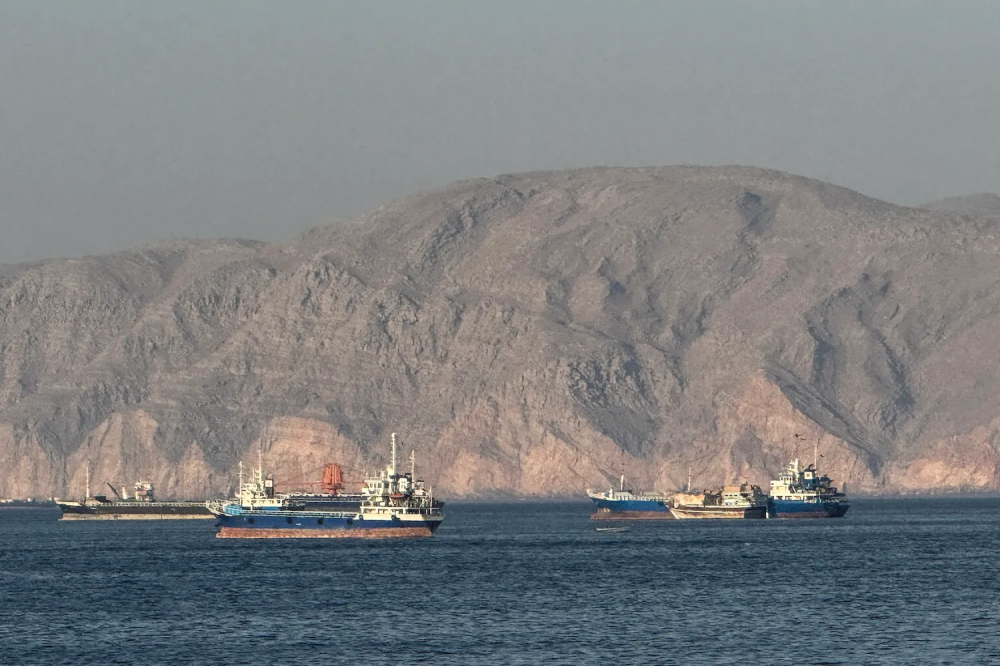
The fragile ceasefire between the United States and Iran has failed to restore confidence in maritime shipping markets, as analysts say oil transport costs will remain high even with the recovery of crude flows, given the continued security risks in the Strait of Hormuz, through which about 20% of the world's seaborne oil trade passes.
Despite the signing of an initial peace agreement on June 17 and the gradual recovery of tanker traffic, the market still treats the Strait of Hormuz as a high-risk passage, keeping war risk insurance premiums high, reducing the number of ship owners willing to operate in the region, and lengthening voyage times and raising operating costs.
Fotios Katsoulas, shipping analyst at S&P Global Commodity Insights, said the market has moved from a phase where risks focused on the possibility of a strait closure to a phase where security constraints have become a permanent factor affecting the waterway's capacity, even without a complete navigation halt.
Freight rates reflect this shift; the cost of shipping a 270,000 metric ton crude oil cargo from the Gulf to China rose to $82.76 per ton, compared to $46.04 before the war broke out on February 27. Shipping rates for 65,000 metric tons of oil products from the Gulf to the UK and Europe also rose to $93.08 per ton from $58.46 before the war.
The crisis has also changed shipping companies' behavior, with ship owners becoming more cautious in sending empty vessels to the Gulf amid rising insurance costs and continued uncertainty, while transit operations are subject to security restrictions and designated lanes, limiting the number of vessels able to pass through the Strait of Hormuz daily. Estimates from Gibson indicate that restoring balance in tanker supply could take between two and three months, with freight rates remaining subject to sharp fluctuations.
Despite expectations of a gradual improvement in crude oil flows, analysts expect the so-called 'geopolitical premium' to persist in freight rates in the coming period, with security risks continuing to be factored into transport contracts. In contrast, the recovery of oil product trade is likely to lag behind crude oil, with Middle Eastern refineries not expected to return to pre-war operating levels before at least 2027, and seaborne oil product trade may not regain normal levels until late 2027.
Return of Tensions Between Washington and Tehran Puts LNG Markets Back in the Risk Zone
Market bets on the return of LNG exports from the Gulf to normal levels have faded, after the mutual attacks between the United States and Iran brought back the risk of navigation disruptions in the Strait of Hormuz, threatening to prolong global supply shortages until the end of the year.
Markets had expected regular transit through the strait to resume and production to gradually return at QatarEnergy's Ras Laffan facility, with a capacity of 64.2 million tons per year, between mid-August and late September, but traders now expect navigation disruptions to continue until year-end.
Kpler data shows that more than 100 million tons of crude oil, LNG, and oil products were crossing the Strait of Hormuz monthly before the war broke out, before flows fell to 8.5 million tons in May, then rose to 21 million tons in June after the ceasefire agreement.
The strait's closure disrupted liquefaction capacity of about 1.6 million tons per week, equivalent to 6.4 million tons per month or about 64 million tons over the March-December period. Exports of LNG from Qatar and the UAE also fell by about 24.8 million tons year-on-year between March and June, with the two countries managing to export only about 3.6 million tons through a mix of declared and undeclared cargoes.
Nevertheless, global LNG supply fell by only about 6.9 million tons over the same period, as increased production in North America and West Africa, along with maintenance deferrals, compensated for a large part of the Gulf supply shortfall. Exports from producers outside Qatar and the UAE rose by about 4.5 million tons per month in the second quarter.
According to Argus Media, the entry of new production capacities, including the LNG Canada project with a capacity of 14 million tons per year, along with expansions at Energia Costa Azul in Mexico and Golden Pass LNG in the United States, could add about 2.4 million tons per month to global supply in the second half of the year. However, continued navigation disruptions through the Strait of Hormuz until year-end would reduce global supply by about 22.6 million tons from July to December compared to the same period in 2025, with the decline reaching about 21 million tons in 2026. This compares to pre-war expectations of global supply growth ranging between 35 and 40 million tons in 2026.
In contrast, traders see that resuming navigation by September, along with a seasonal decline in Asian demand, could limit arbitrage opportunities for spot US gas cargoes, but low gas inventories in Northeast Asia, particularly in South Korea, keep the possibility of higher import demand before the winter season alive.
Canada Considers Building New Pipeline to Reduce Dependence on US Pipelines
The governments of the Canadian provinces of Alberta and Ontario are studying the construction of a 3,300-kilometer oil pipeline linking the Hardisty hub in Alberta to the refining and petrochemical complex in Sarnia, Ontario, in a move aimed at enhancing energy security and reducing Canada's dependence on infrastructure passing through the United States.
Original source: Argaam


Comments (0)
Be the first to comment.