Escalating Geopolitical Risks Raise Marine Insurance Costs

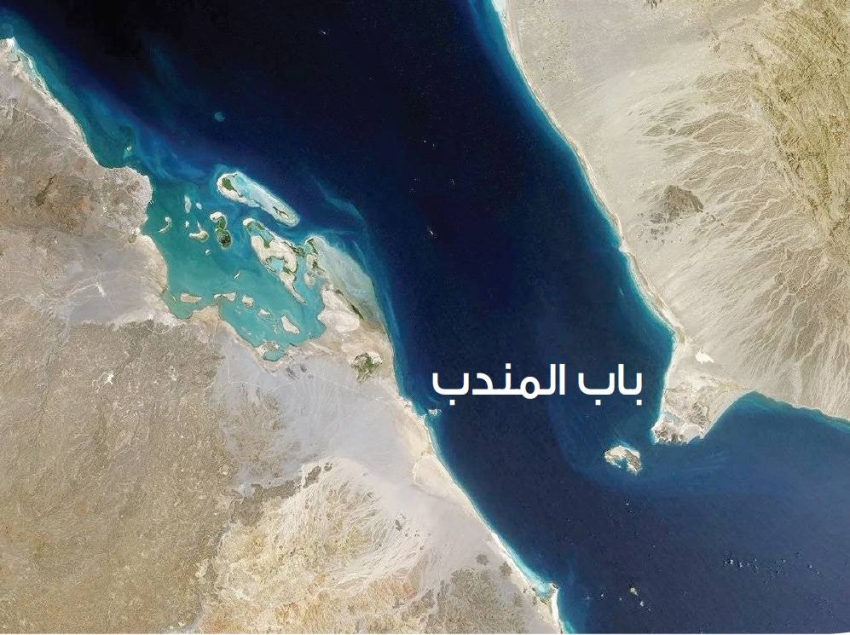
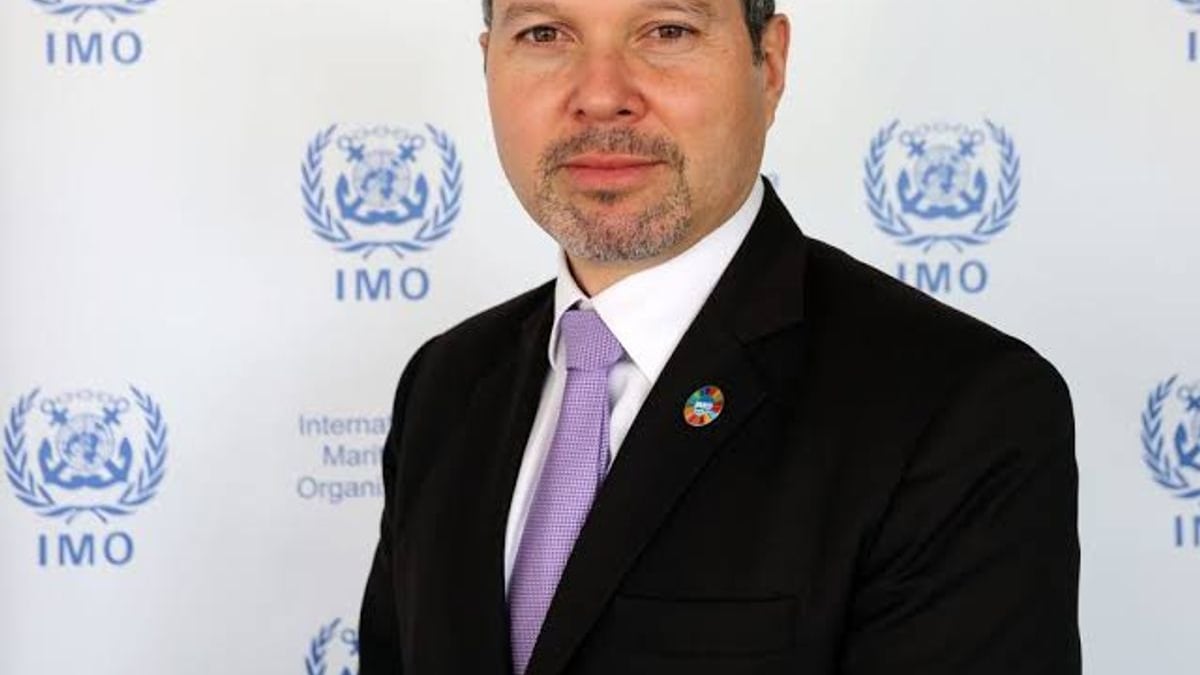
Mohamed Mehran, CEO of Misr Insurance, said that global political and geopolitical conditions are experiencing a state of high volatility, noting that the risks facing the maritime transport sector are no longer limited to the Strait of Hormuz, but also extend to the Black Sea region linked to the Russian-Ukrainian war.
He explained that these areas are among the most prominent global flashpoints, which directly impacts the insurance and reinsurance sectors, noting that recent weeks have seen incidents targeting a number of vessels, resulting in significant losses, including cases of total loss for some ships.
The World Bank warns: The global economy is months away from the most pessimistic growth scenario.
He added that insurance companies face increasing difficulty in providing insurance coverage for high risks, explaining that war risk insurance is an additional coverage added to marine insurance and cargo shipping insurance policies.
He pointed out that the cost of this coverage before the outbreak of the war was around 0.25% of the value of the ship or cargo, while it has now risen to range between 3% and 10% depending on the level of risk, the route, and the area through which the ship travels.
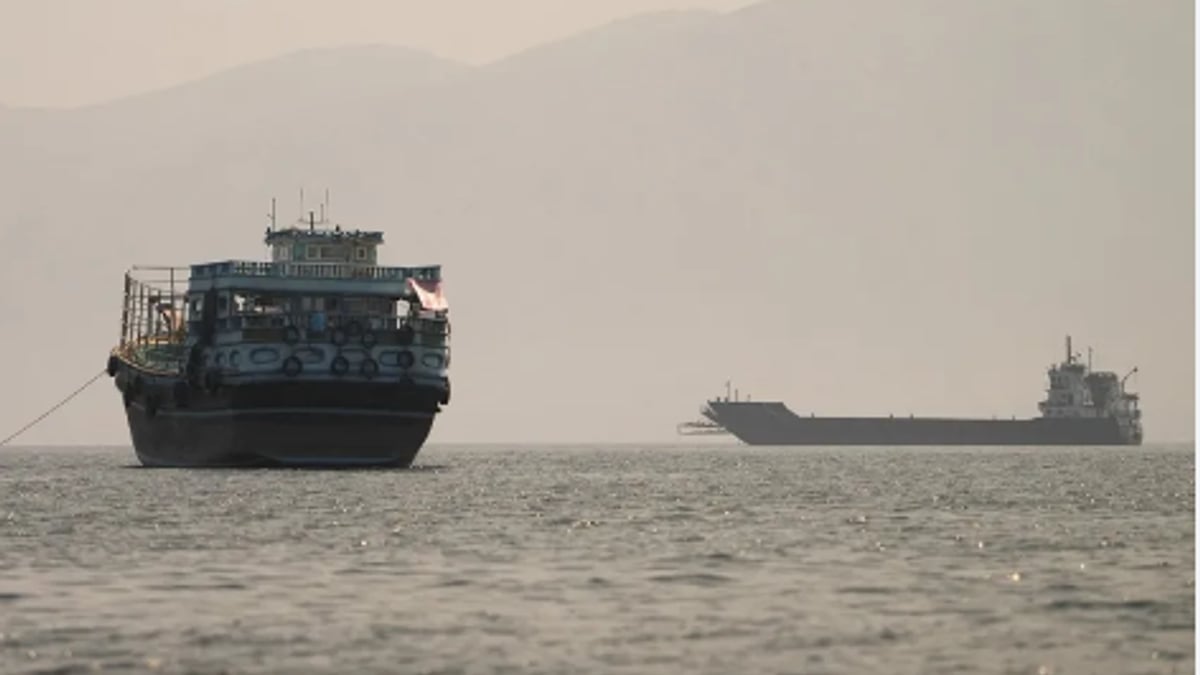
He stressed that these increases reflect the scale of current geopolitical tensions, indicating that giant commercial ships are relatively easy targets in conflict zones due to their massive size and ease of detection.
He added that some giant oil tankers are up to about 400 meters long and carry up to millions of barrels of oil, making any accident or potential targeting extremely costly for insurance and reinsurance companies.
He warned that the multiplicity of conflict zones at the same time places additional pressure on the global insurance sector, making the decision to grant insurance coverage in high-risk areas more complex than before.
Regarding ships that turn off tracking or transmission systems while crossing tension zones, he explained that the measures taken by the ship's captain to protect the ship and reduce risks usually remain within the scope of insurance coverage, as long as they do not conflict with the policy terms or normal operational requirements.
He pointed out that coverage terms vary from one policy to another, requiring a review of each policy's clauses separately before making any general judgment about the extent of insurance protection.
He added that ships subject to international sanctions, known as the 'shadow fleet,' are subject to different considerations and often face special restrictions or exceptions regarding obtaining insurance coverage.
He stressed that insurance companies do not seek to refrain from providing coverage to their clients, but rather ensure the continued provision of insurance services to clients with whom they have long-term relationships, whether through local insurance companies or through global reinsurance markets.
He explained that the insurance industry fundamentally relies on assessing probabilities and risks, noting that the higher the likelihood of losses, the more difficult it becomes to provide coverage at the usual terms and prices.
He added that when risks reach exceptional levels, insurance companies are prompted to continuously reassess their policies, which may in some cases lead to restricting coverage or significantly raising prices until geopolitical conditions stabilize and risk levels decline.
Advertisement
Advertisement
Original source: Al Arabiya



Comments (0)
Be the first to comment.