Gold Between Interest Rate Pressures and Geopolitical Tensions: Will It Test $3,900?
Listen to the article via text-to-speech, automatically generated by an automated system
0:00
Two minutes to read
Mohamed Salah, Head of Operations at Sabik Company, said that gold's movements during the current phase are influenced by two main factors: US monetary policy and geopolitical tensions, noting that the two factors are closely interrelated.
Salah added in an interview with "Al Arabiya Business" that the ongoing tensions and wars have been among the factors that pushed the US Federal Reserve to adopt a more hawkish tone, explaining that he had previously expected gold to move in a sideways to downward range, but the precious metal's performance last week showed greater resilience than expected.
He explained that this resilience may be supported by continued central bank purchases of gold, which do not give prices a strong boost upwards but rather provide support that prevents sharp declines or major collapses in prices.
He pointed out that the renewal of military strikes and the collapse of the ceasefire could lead to new pressures on gold, due to rising oil prices and the return of inflation-related concerns, which may push US monetary policymakers to adopt a more hawkish stance.
Regarding market pricing for a possible 25-basis-point US interest rate hike in September, Salah said he does not believe this step is fully priced in at current gold levels near $4,100 per ounce.
He explained that the weak US labor market data released last week contributed to supporting gold and preventing its decline, and also strengthened market bets on a slowdown in monetary tightening as the year-end approaches.
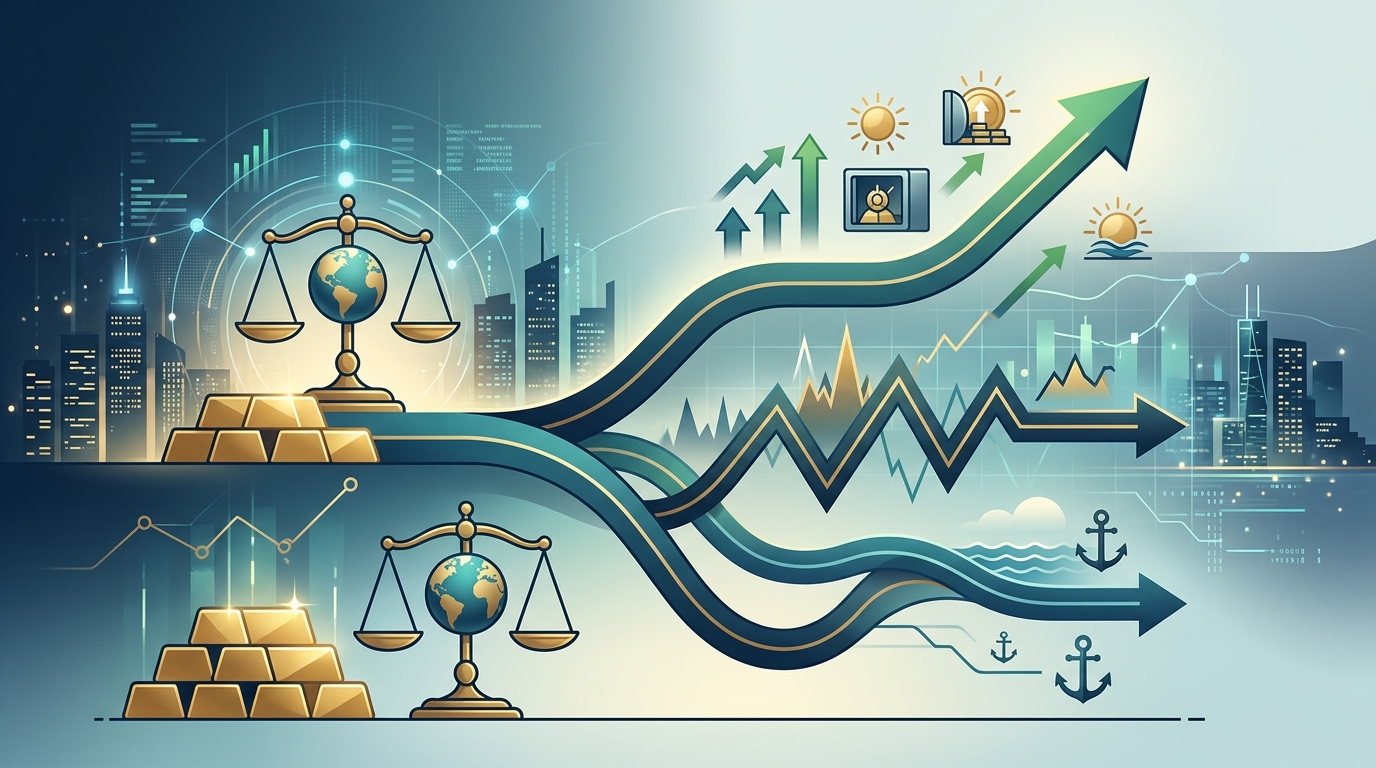
He added that the fair level for gold prices if a 25-basis-point rate hike is priced in would be near $3,900 per ounce, ruling out sharp collapses driving prices to $3,500.
Regarding investment strategy in gold, Salah stressed that he does not recommend individual investors to fully enter the market at current levels, noting that it is better to build investment positions gradually and divide liquidity across several price levels.
He said that an investor planning to invest $1,000 in gold, for example, can start with a limited portion of the amount and keep the remaining portion to take advantage of any potential dips.
He pointed out that the $4,270 level represents a key resistance for gold, explaining that breaking this level could open the way for prices to rise towards $4,500 per ounce, while the $4,000 level is an important support, and breaking it could push prices towards $3,890 in the coming period.
Advertorial
Advertorial
Read also
"Volkswagen" bets on cost cutting to avoid closing its factories in Germany. The company reduced operating costs by 20% last year. Cars
Bill Ackman reveals 16 rules for building wealth. The secret is not just in stocks. Some mistakes deprive many of the dream of financial freedom. Economic stories
Saudi Arabia's logistical capabilities are a key factor in obtaining international ratings. Fitch rates the Kingdom at 'A+' with a stable outlook. Economic stories
Original source: Al Arabiya


Comments (0)
Be the first to comment.