IEA Head: Closure of Hormuz threatens global economy with new difficulties

IEA Head: Closure of Hormuz threatens global economy with new difficulties
Bloomberg
Thursday, 16 July 2026 7:19 | 1 minute read
The Executive Director of the International Energy Agency, Fatih Birol, warned that the global economy will face a renewed challenge if the conflict that has choked navigation in the Strait of Hormuz is not resolved within weeks.
Speaking in an interview on the sidelines of the Aspen Security Forum on Wednesday, he said, "Markets are tense and dealing with a state of uncertainty due to the escalation of attacks, threatening to disrupt shipments of oil, fertilizers, gas and other goods through the strait."
Tue, 07 2026
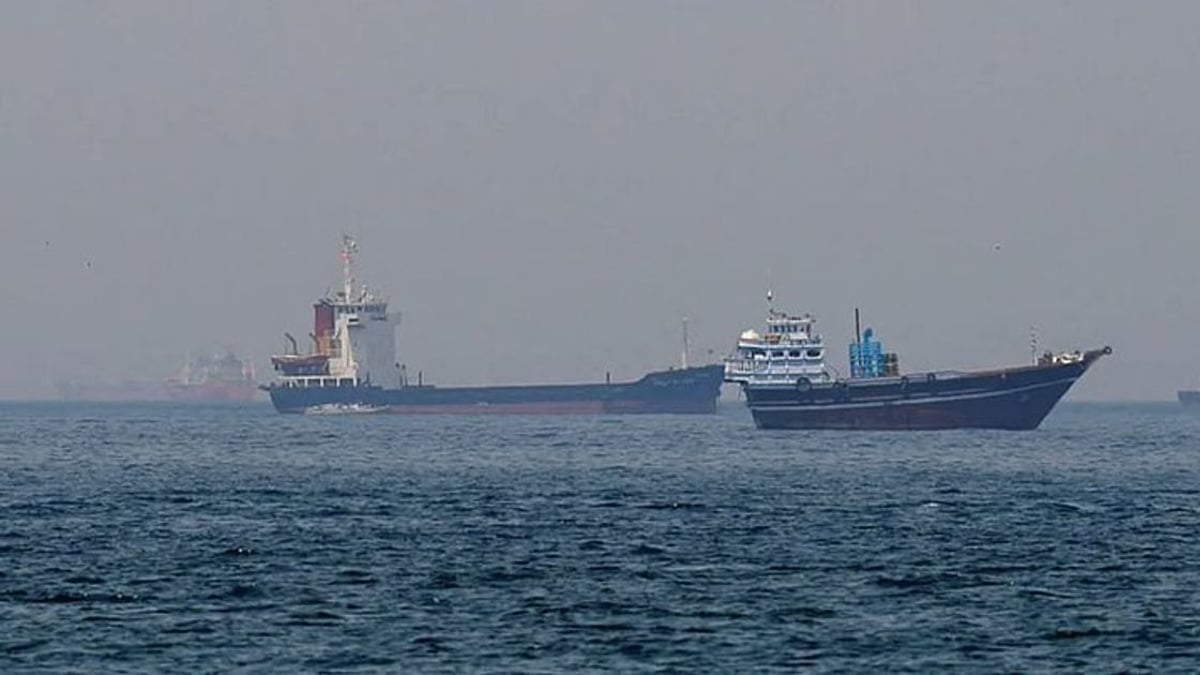
Visible navigation traffic through the strait has declined significantly over the past week, as ships have been attacked and the US has reimposed its blockade on Iranian shipments.
Saudi oil loading within the Arabian Gulf waters also decreased following strikes targeting supertankers, while the International Maritime Organization said the waterway remains extremely dangerous for commercial vessels to transit.
Fri, 10 2026
Increasing pressure on Asian and developing economies
Birol said, "If Hormuz remains closed, we may face some difficulties for global economies, including developing countries and Asia," adding, "It is not a matter of months, but weeks, after which the strait must be fully opened, without conditions."
Although the disruption of energy and raw material supplies from the Arabian Gulf has affected economies such as South Korea and Japan, countries like Bangladesh, Pakistan, and India are much more vulnerable to such disruptions, according to Birol.
Definitions
Original source: Aleqtisadiah




Comments (0)
Be the first to comment.