Israel elections: Netanyahu continues to fall behind Eisenkot in polls

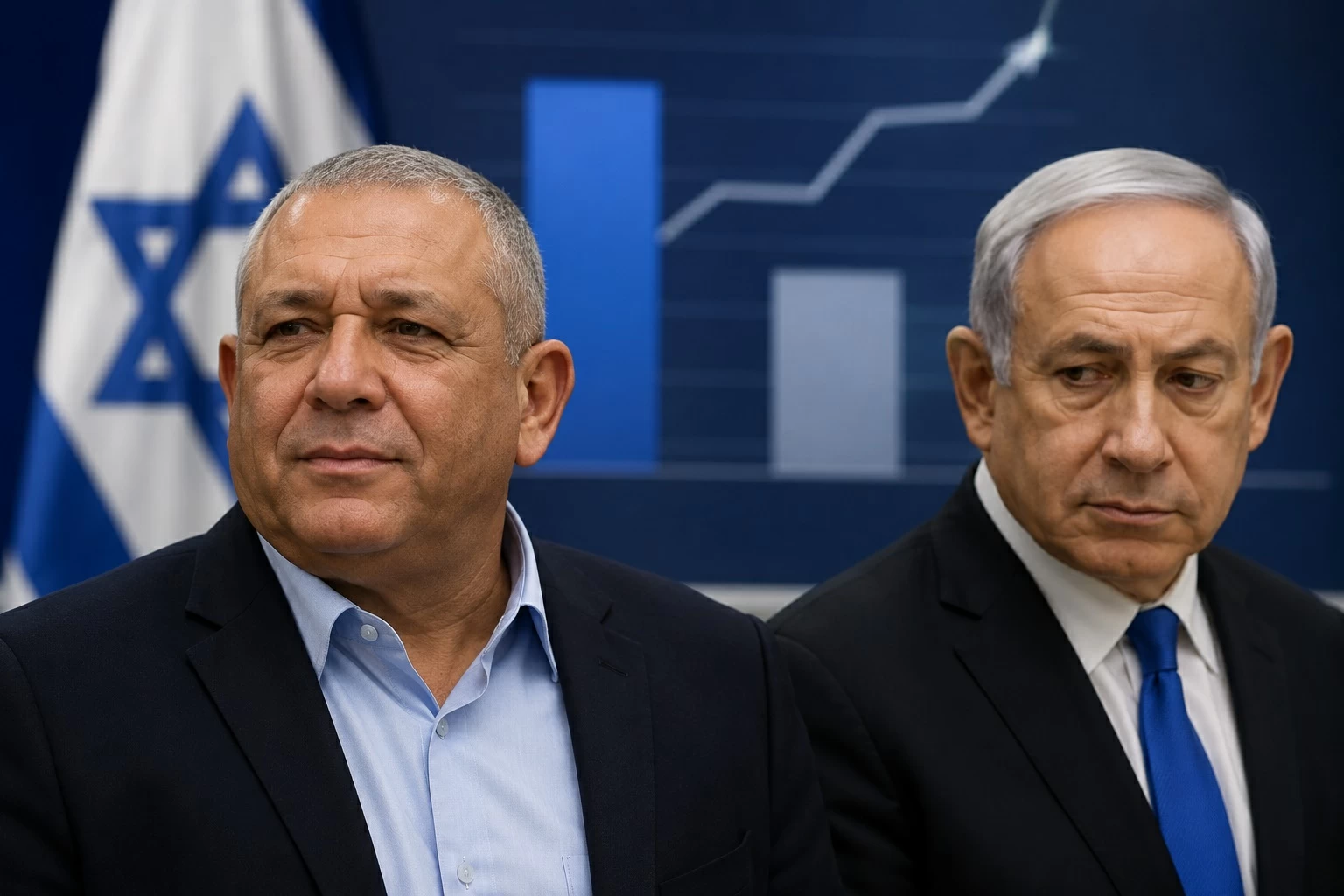
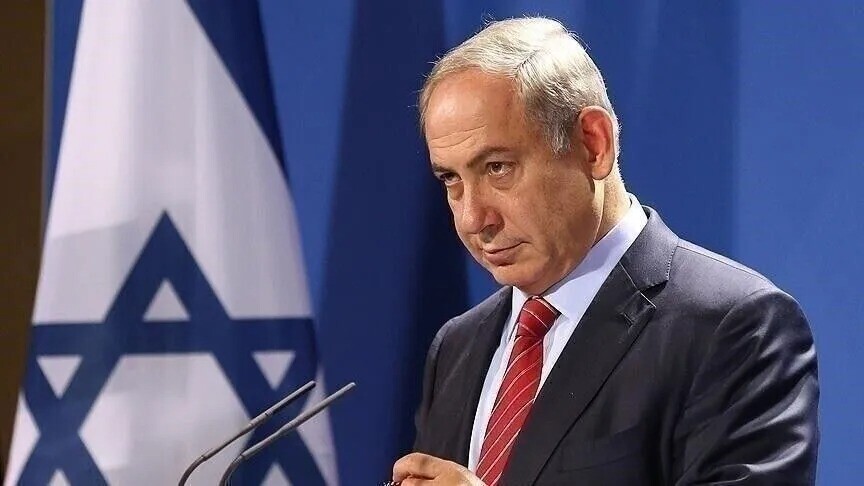
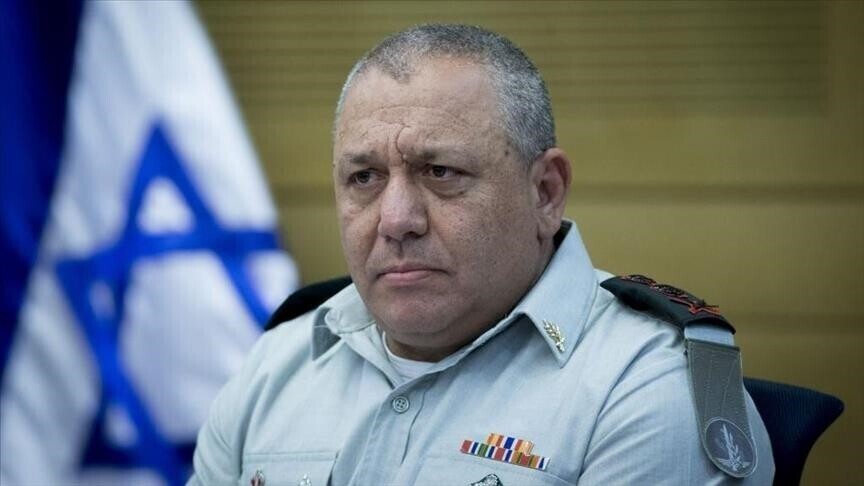
In a new opinion poll published Monday, results showed former chief of staff Gadi Eisenkot leading Prime Minister Benjamin Netanyahu by nine percentage points, with 43% of Israelis preferring him to Netanyahu's 34%.
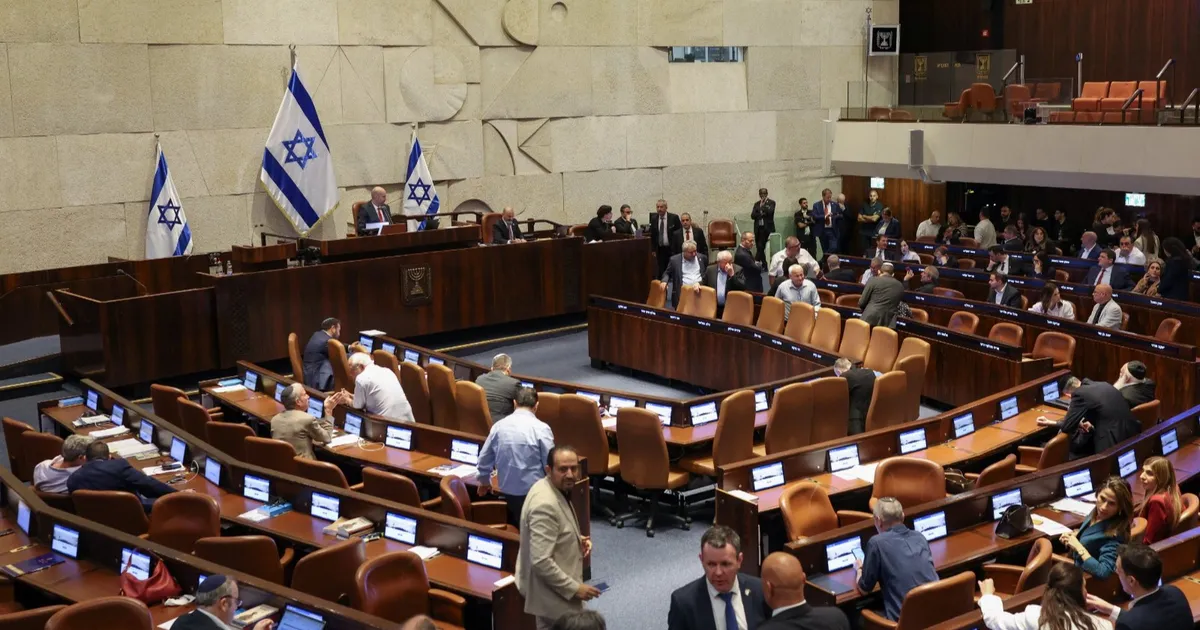
These results come about two months before the elections scheduled for October 27, amid ongoing divisions among political blocs.
According to the Channel 12 poll, conducted before the Knesset elections scheduled for October 27, the pro- and anti-Netanyahu blocs have not changed much in months.
The anti-Netanyahu alliance would win 59 out of 120 Knesset seats, according to the poll, fewer than the required majority of 61 seats, while the pro-Netanyahu alliance would win 51 seats.
The Arab parties, which have mostly not joined Israeli coalition governments, would win the remaining ten seats.
Eisenkot's party advances
Eisenkot's lead over Netanyahu in the latest poll reflects the declining popularity of the current prime minister.
Eisenkot has strengthened his position as the leader of the anti-Netanyahu camp, with polls showing his party would win the most votes if elections were held today.
Another candidate, former Prime Minister Naftali Bennett, received 35% of the vote in a head-to-head poll with Netanyahu, who received 37%.
A party poll showed that Eisenkot's 'Yashar' party would win the most seats, with 23, followed by Netanyahu's Likud with 22. The opposition 'Beyahad' party, a center-right party led by Bennett, would win 16 seats.
Each of the left-wing Democratic Party and the hardline 'Yisrael Beiteinu' party, both opposed to Netanyahu, would win 10 seats, according to the poll.
Each of the ultra-Orthodox Shas party, the United Torah Judaism party, and the far-right Otzma Yehudit party, all pro-Netanyahu, would win 8 seats, according to the poll.
Changing political trends in Israel
The far-right Religious Zionism party, representing the pro-Netanyahu camp, would win 5 seats. The two Arab parties, Hadash-Ta'al and Ra'am, would each win 5 seats.
The poll also showed that some other center-right factions would not be able to enter the Knesset.
Channel 12 polled Israeli voters on the impact of the October 7, 2023 attacks led by the Palestinian Hamas movement on their political leanings, with 38% saying they moved to the right after the attack, while 49% reported no change in their political leanings. 7% said they moved to the left.
The poll also included a question on whether voters supported Netanyahu's deal with the ultra-Orthodox parties to pass laws defining Torah study as a 'core value' and freezing arrests of draft dodgers, in exchange for their support of legislation aimed at significantly weakening the attorney general's powers and granting the government the authority to form a committee to investigate the security failures surrounding the October 7, 2023 attacks, as well as a media reform bill.
62% of poll participants expressed opposition to the deal, compared to 22% who supported it, while the rest did not express an opinion. Opposition to the deal among coalition voters was 18%, rising sharply to 95% among opposition voters.
Key alliances in the Israeli elections
Four main camps are contesting the Israeli elections scheduled for October: the 'Netanyahu alliance' comprising the ruling Likud led by Netanyahu, Religious Zionism led by Finance Minister Bezalel Smotrich, Otzma Yehudit (Jewish Power) led by Itamar Ben-Gvir, Shas led by Aryeh Deri, and Yahadut HaTorah representing the Western ultra-Orthodox parties and led by a council of rabbis and party leaders.
The anti-Netanyahu camp includes the parties 'Yashar' led by Gadi Eisenkot, 'Beyahad' led by Naftali Bennett, 'Yisrael Beiteinu' (Israel Our Home) led by Avigdor Lieberman, and 'The Democrats' led by Yair Lapid.
Arab parties in Israel are contesting the elections through four lists: the Democratic Front for Peace and Equality, the Arab List for Change, the National Democratic Assembly, and the United Arab List, amid attempts to unify them, but those attempts have not succeeded so far.
All electoral blocs in Israel have agreed to exclude Arab parties from any governing coalition after the elections, except for the Democrats party so far.
The fourth electoral camp in Israel consists of alliances between Jewish figures and parties that call for forcing the various political forces into a 'comprehensive national unity' government that excludes Arab parties.
Despite Eisenkot's lead, his opposition alliance remains far from the required majority to form a government, suggesting a potential continuation of political deadlock. Furthermore, Bennett's party's closeness to Netanyahu in head-to-head polls complicates the electoral landscape. Arab parties with their ten seats remain outside traditional alliances, which could leave the Knesset divided without a clear majority.
Original source: Asharq News

Comments (0)
Be the first to comment.