Israel’s 2026 Knesset Elections: What Does the Political Landscape Look Like?

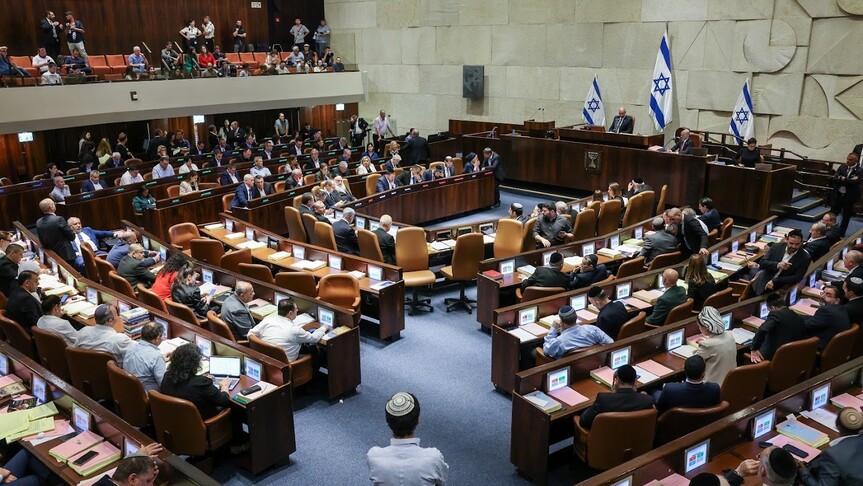
Israel is heading to Knesset elections on October 27, after the ruling coalition in the Knesset agreed to keep the statutory date.
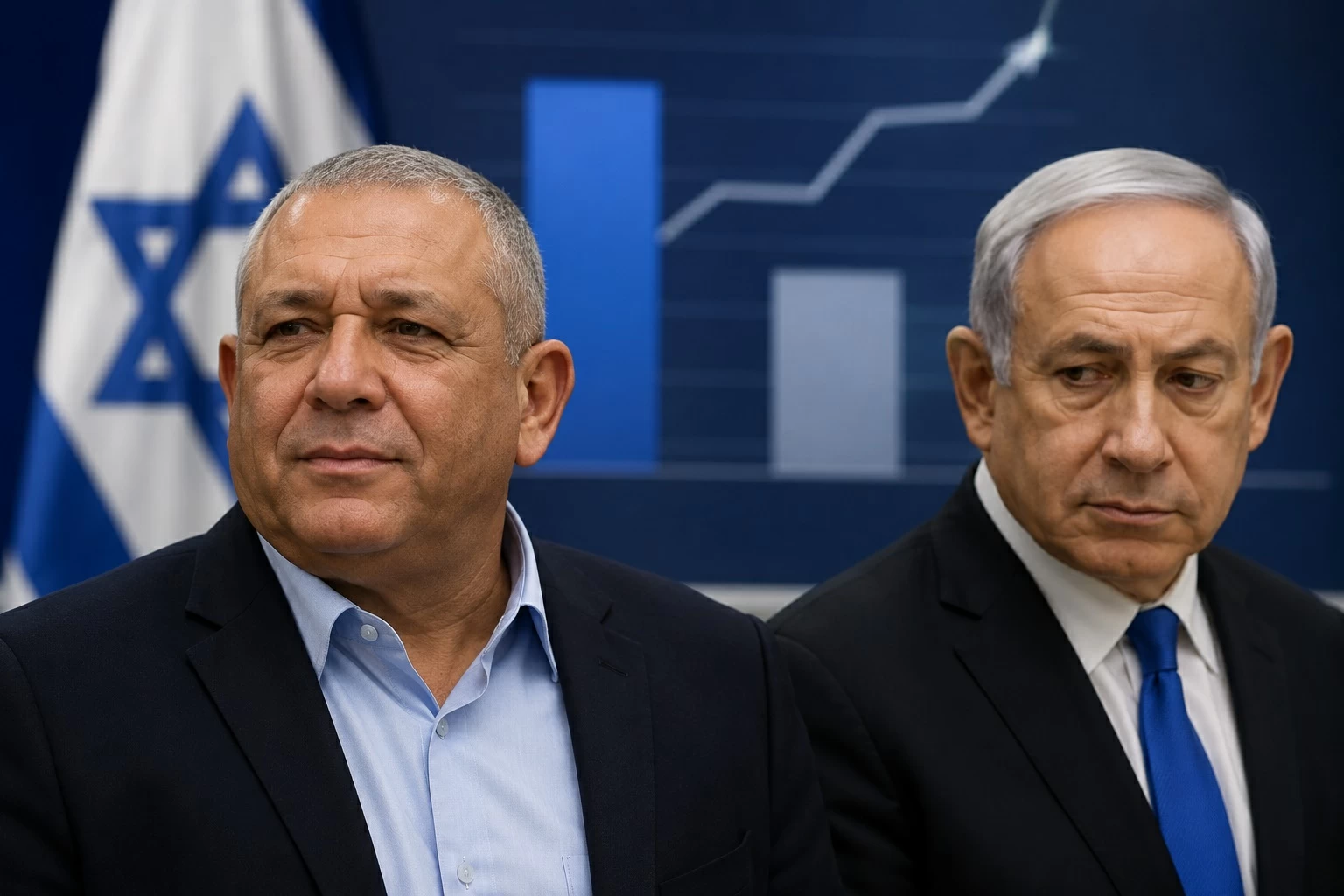
The elections come amid sweeping changes on the party map, a decline in Prime Minister Benjamin Netanyahu’s camp in opinion polls, and the rise of new parties led by former senior military officials such as Gadi Eisenkot. Most polls indicate that neither main camp may be able to form a stable government on its own.
Electoral lists are expected to be submitted on September 9 and 10, with midnight on September 10 being the deadline for registering party slates participating in the elections.
Although the final party map will not be clear until this deadline passes, the latest opinion polls—most notably a survey by Kantar published by Israel Broadcasting Corporation on July 12, 2026, alongside a poll published by Maariv last weekend—paint the electoral landscape and show a continuing divide between Netanyahu’s camp and his opponents, coinciding with the rise of new parties led by former senior military officials.
These polls also show that no single bloc can form a stable government, while Netanyahu’s camp continues to gradually decline and his opposition expands, with the pivotal role now played by the “Yeshar” party led by former IDF Chief of Staff Gadi Eisenkot.
Recent polls reinforce Eisenkot’s rise against Netanyahu. A Channel 12 poll showed 43% of voters prefer Eisenkot as prime minister, versus 34% for Netanyahu. The “Yeshar” party also strengthened its position as the largest force in the electoral scene, with an expected 23 seats, compared to 22 for Likud and 16 for “BeYachad” (Together) led by Naftali Bennett.
These results indicate that Eisenkot has become one of the most prominent rivals to Netanyahu for the next premiership, but they do not decide the election, as both main camps still face difficulty forming a stable government on their own, making post-election alliances a decisive factor in shaping the next coalition.
How are Israeli elections conducted?
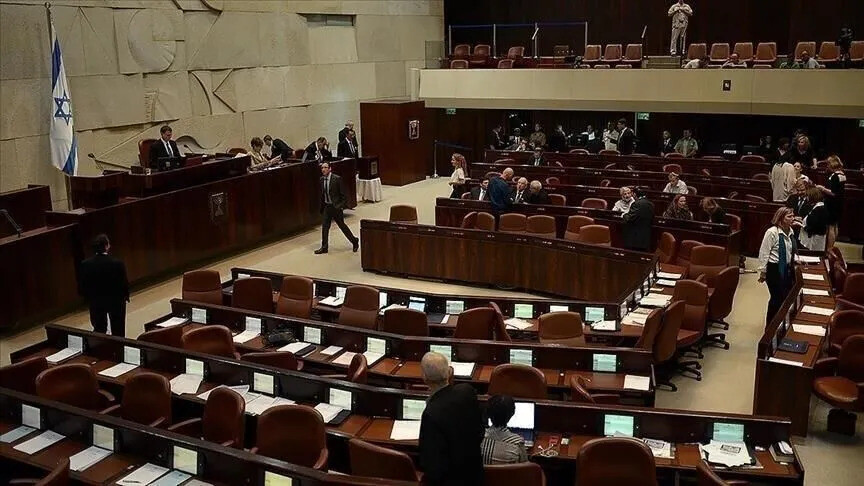
Israel operates under a parliamentary system. The Knesset (parliament) consists of 120 members elected every four years under a full proportional representation system, with the entire country acting as a single electoral district, according to the Central Elections Committee of the Knesset, as published on the Israeli government website.
Israeli voters do not vote for an individual candidate, but for a party list. Seats are allocated to parties based on their share of the total valid votes nationwide.
The law requires a party to receive at least 3.25% of total valid votes—known as the electoral threshold—to enter the Knesset and participate in seat distribution.
After the results are announced, the President of Israel holds consultations with representatives of Knesset parties, then tasks the figure deemed most likely to secure at least 61 lawmakers’ support with forming a government within a legally defined timeframe.
A party winning the most seats does not automatically make its leader prime minister; that depends on the ability to form a parliamentary coalition with a majority of Knesset members.
For this reason, inter-party alliances play a decisive role in forming Israeli governments, and coalition negotiations after elections are often more important than the initial results themselves.
Why are the 2026 elections especially significant?
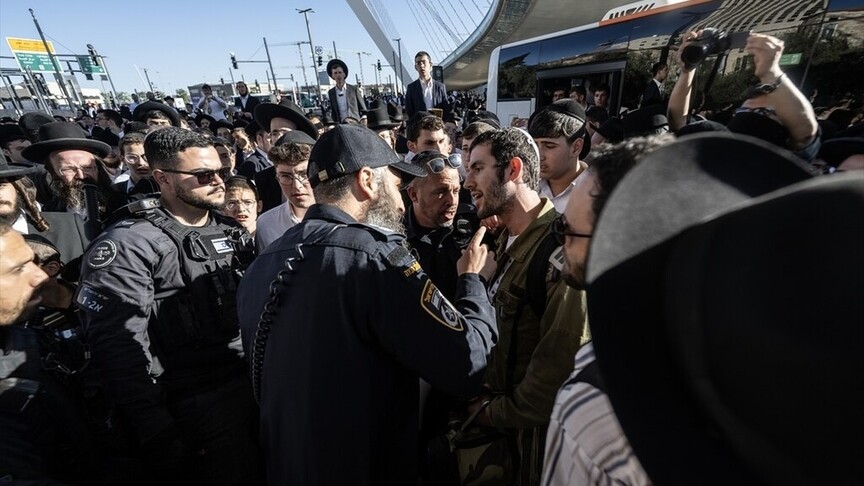
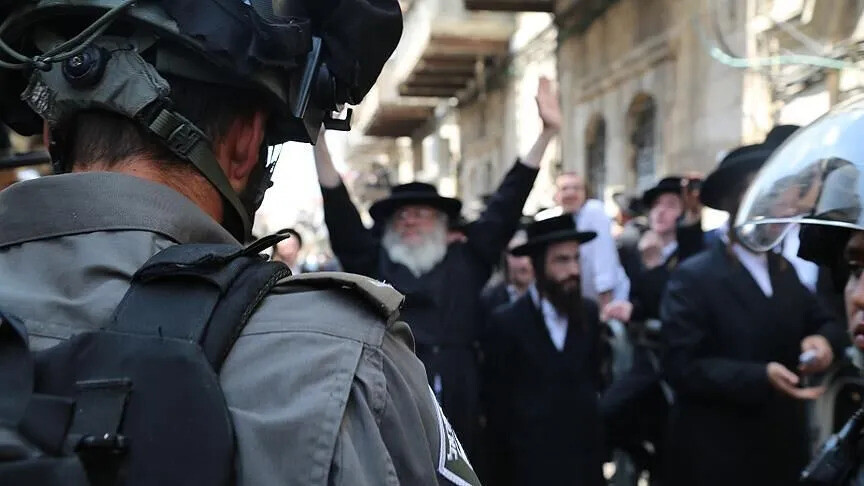
The upcoming Knesset elections come during one of the most politically complex periods in Israel in years, following the repercussions of the Gaza war, internal divisions over war management, disagreements over the Haredi conscription law, and continued debate over judicial reforms.
Former senior military figures, led by Eisenkot, are emerging in Israel to compete with Netanyahu for moderate right-wing and centrist votes.
Most opinion polls indicate a decline in either camp’s ability to decide the election alone, strengthening the likelihood of continued political deadlock. This could revive scenarios of early new elections—repeating what happened years ago, when the last election was the fifth in four years—or lead toward a broad unity government.
What do the polls say?
The latest opinion polls, especially the Israel Broadcasting Corporation poll of July 12, show a continued gradual decline of Netanyahu’s camp, while opposition parties gain ground.
According to the camp breakdown based on the poll, Netanyahu’s camp gets 52 seats, compared to 68 for all other parties combined.
However, if the Democratic Front for Peace and Equality–Arab Movement for Change and the United Arab List are excluded from any potential governing coalition, the anti-Netanyahu camp drops to only 58 seats, below the required majority (61 seats) to form a government.
What are the main camps?
In practice, the Israeli political arena is divided into several main camps.
First: The Netanyahu camp
It includes the parties that form the backbone of the ruling coalition:
Likud party.
Religious Zionism party.
Otzma Yehudit (Jewish Power) party.
Shas party.
Yahadut HaTorah party.
This camp represents the nationalist and religious right, relying on a close alliance between nationalist, conservative, and Haredi parties.
Second: The anti-Netanyahu camp
It includes parties seeking to end Netanyahu’s rule and form an alternative government:
Yeshar party.
BeYachad (Together) party.
Yisrael Beiteinu (Israel Our Home) party.
The Democrats party.
This camp includes parties from the moderate right and center, as well as liberal parties, united by the common goal of replacing Netanyahu’s government.
Third: The Arab parties
The Arab parties participating in the elections include:
Democratic Front for Peace and Equality.
Arab Movement for Change.
National Democratic Assembly.
United Arab List.
Attempts have been made to unify the four Arab parties, but they have not yet succeeded.
Advocates of a "unity government" without Arabs
Alliances between Jewish figures and parties are pushing various political forces toward forming a broad national unity government after the elections, excluding the Arab parties.
This idea is based on the fact that most opinion polls, except for only two in recent months, indicate that neither camp alone can form a stable government, as a majority of Israeli parties continue to refuse to include Arab parties in the governing coalition.
Key parties contesting the elections:
Likud: Netanyahu’s party
Likud is Israel’s ruling party, led by Benjamin Netanyahu, and is considered the largest nationalist conservative right-wing party in the country.
In recent years, the party has adopted tougher stances on security and foreign policy issues, focusing on maintaining security control in the West Bank and opposing the establishment of a Palestinian state, although Netanyahu had taken different positions in earlier stages.
Original source: Asharq News
Comments (0)
Be the first to comment.