Israel's Ambassador in Washington: Withdrawal from Southern Lebanon Conditional on Dismantling Hezbollah
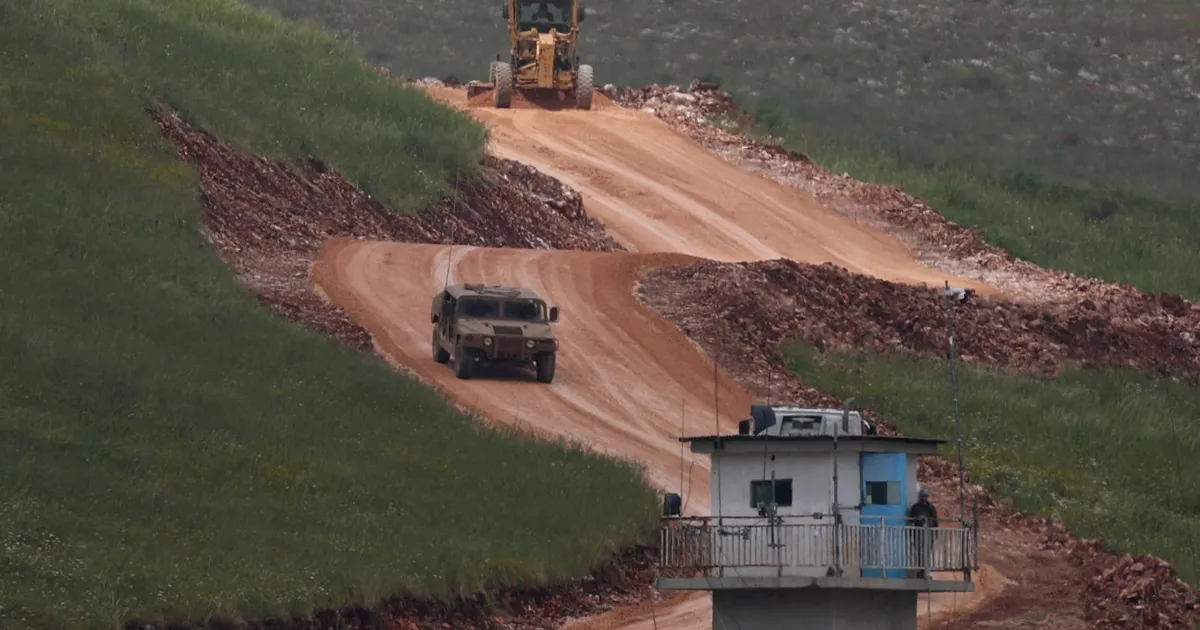
Israeli ambassador says withdrawal from southern Lebanon depends on dismantling Hezbollah; disputes over timeline; Rome negotiations set to discuss implementation mechanisms.
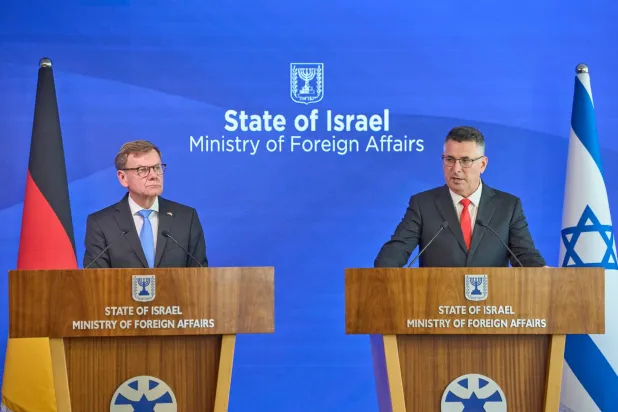
Israeli Ambassador to the United States, Michael Laiter, said that Israel is ready to withdraw from southern Lebanon once Hezbollah is dismantled, stressing that Israeli forces will remain in the security zone if that is not achieved.
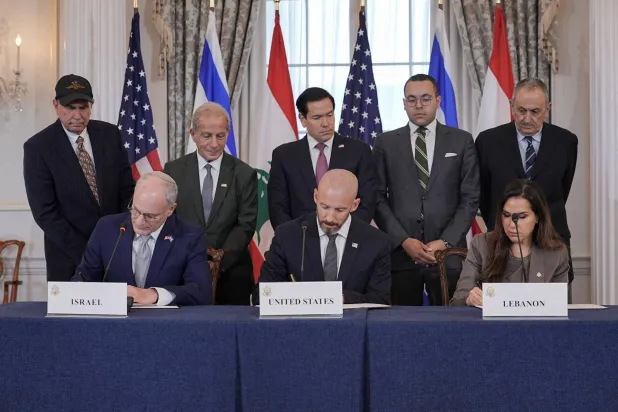
In response to a question during an interview with Face the Nation host Margaret Brennan on CBS News on Sunday, regarding US efforts to mediate between the Israeli and Lebanese governments to cooperate against Hezbollah, and whether Israel still intends to withdraw from areas in southern Lebanon according to the framework reached last month, Laiter said he leads the negotiations with Lebanon on behalf of Israel, and therefore he 'knows the details of the trilateral agreement.'
He clarified that the agreement with Lebanon 'takes Iran completely out of the equation,' adding: 'Iran should have no role in Lebanon, and has no business there.'
Laiter added that Hezbollah also 'has no place in Lebanon,' noting that Israel and Lebanon 'share the same position,' because Israel wants to remove Hezbollah to preserve its security, while Lebanon seeks that to preserve its sovereignty. He continued: 'We can withdraw as soon as Hezbollah is dismantled.'
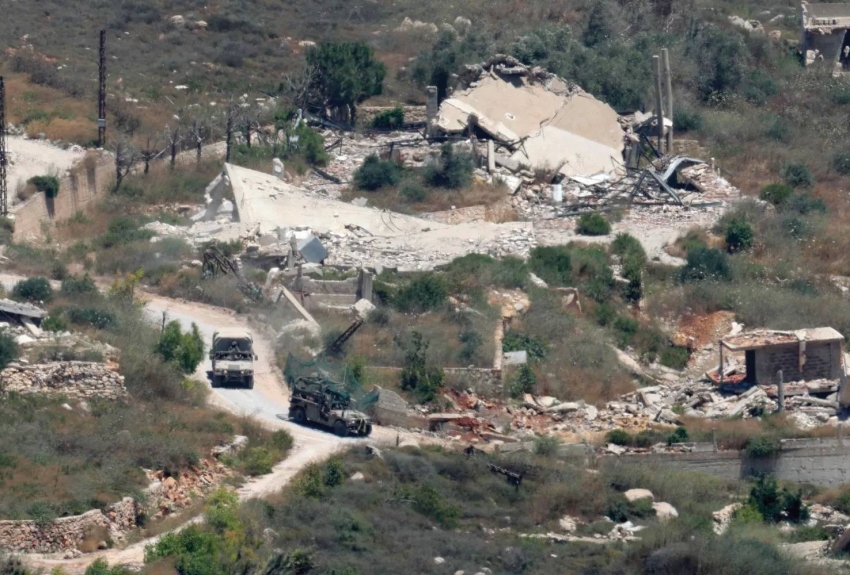
He went on: 'But if Hezbollah is not dismantled, Israel will be forced to remain inside the security zone, because we will not return to a situation where our citizens are threatened by an Iranian proxy that fires rockets and digs tunnels to launch attacks, as Hamas did on October 7.'
Dispute over withdrawal timeline
During the interview, Brennan noted that this position differs from what the US State Department had announced, which spoke of two pilot zones from which Israel is supposed to withdraw, with the US Central Command (CENTCOM) overseeing the process, and asked about the timeline for those withdrawals.
The Israeli ambassador replied that preparations are currently underway, but he clarified that the idea of the 'pilot zone' is based on preparing the appropriate conditions first.
When Brennan noted that Lebanon says implementation of the plan is delayed, Laiter denied that, saying: 'No, it's not delayed.'
He explained that Israel is working with US Central Command and the Lebanese army to prepare the necessary conditions that allow the transfer of control in the pilot zones to the Lebanese Armed Forces.
He added that if those areas are not ready for the Lebanese army to take responsibility, and Hezbollah continues to exist in them, 'we will have achieved nothing,' stressing that this is why they are called 'pilot zones.' He continued: 'If the experiment succeeds, we will continue the withdrawal. If it fails, we will remain in our current positions.'
Rome negotiations
Sources in the Lebanese presidency told Asharq on Saturday that the sixth round of direct negotiations between Lebanon and Israel, scheduled in Rome on July 14 and 15, will discuss mechanisms for implementing the framework agreement signed in Washington, and the possibility of forming specialized committees to complete the implementation of some of its provisions.
The sources explained that the Lebanese delegation, headed by Ambassador Simon Karem, will go to Rome to conduct negotiations with the Israeli delegation.
They added that the meeting will be dedicated to discussing the provisions of the framework agreement, signed between Lebanon and Israel on June 26, and starting to develop implementation mechanisms for them.
They indicated that the US military delegation that arrived in Beirut will work in parallel with the Lebanese army to develop the security and military mechanisms for the clause related to the two pilot zones, and the mechanism for its implementation on the ground.
Formation of committees and expansion of delegation
The sources revealed that during the Rome meetings, it will be discussed whether some other provisions require forming specialized committees, with these committees to be formed to complete the work as stipulated in the framework agreement.
The sources said that the possibility of new figures joining the Lebanese delegation, alongside Ambassador Simon Karem, is still under discussion, pending Israel's announcement of its delegation, especially since discussing some technical aspects of the framework agreement may require the participation of specialists.
A US military delegation, headed by the head of the Military Coordination Committee, General Joseph Clearfield, arrived in Beirut on Friday evening to discuss the Israeli withdrawal from the two pilot zones, coordination with the Lebanese army on the mechanism of its entry and deployment in them, and monitoring and supervising the implementation of the withdrawal.
Lebanese demands
According to the sources, the Lebanese delegation will renew during the Rome meetings the demands repeated by President Joseph Aoun, foremost among them a complete ceasefire, stabilizing calm in the south, and pressuring Israel to stop its military operations and commit to the framework formula announced at the conclusion of the Lebanese-American-Israeli negotiations in Washington.
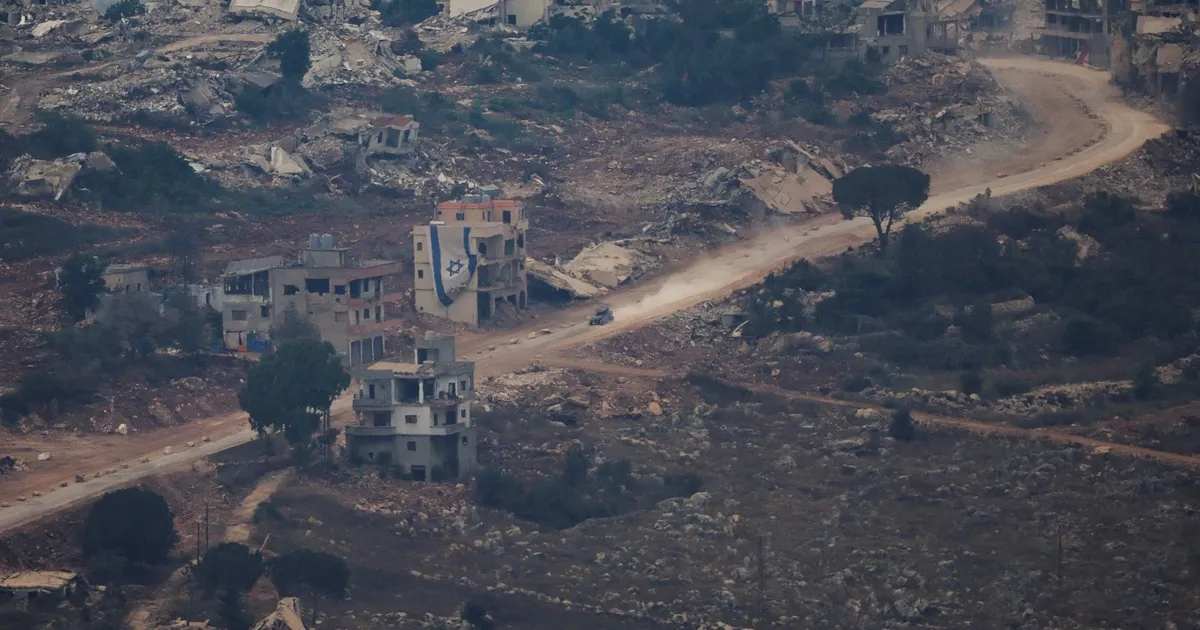
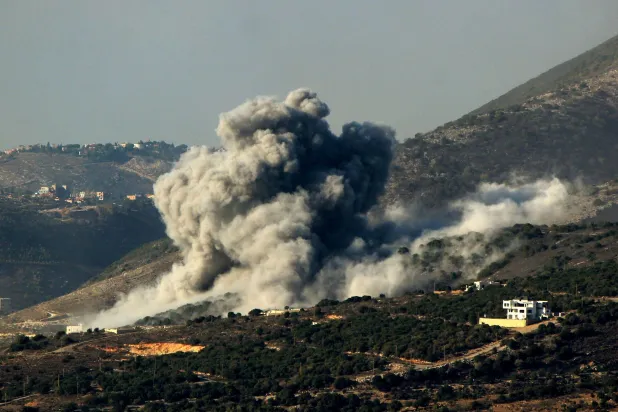
Lebanon will also demand a halt to the shelling, bombing, and bulldozing carried out by Israeli forces in a number of towns and villages it occupies.
A US official said on Thursday that Lebanon and Israel have moved to the 'implementation phase of the framework agreement,' referring to the trilateral agreement sponsored by the United States, which sets a roadmap towards reaching a permanent settlement between the two countries.
Original source: Asharq News
Comments (0)
Be the first to comment.