Legacy of the Hormuz Crisis: Thousands of Trucks Carry Iraqi Oil Through Syria

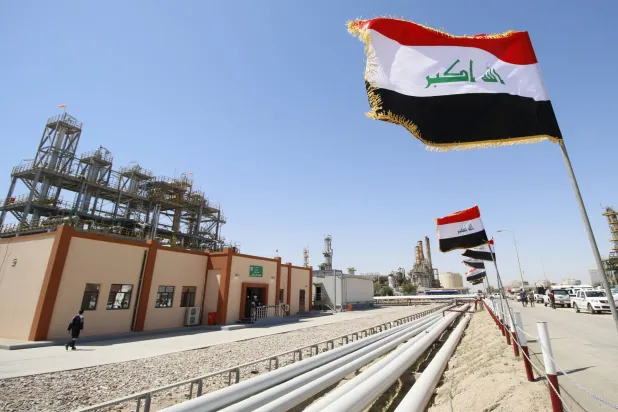
Iraq is using a huge fleet of trucks to transport fuel oil through Syria, redirecting flows away from the Strait of Hormuz, quickly turning its neighbor into the largest export hub in the Middle East.
In just a few months, Syria went from exporting none of this fuel to accounting for more than a quarter of the volumes exported from the Middle East.
Supplies arrive on thousands of trucks that may take about four days to reach Syrian ports on the Mediterranean, illustrating how the war with Iran is reshaping energy flows in the region.
Gulf states are seeking ways to reduce their dependence on Hormuz for exports, including using existing pipelines or building new ones, and expanding port infrastructure outside the waterway. The renewed escalation of fighting in the region is affecting fuel shipments, highlighting once again the importance of alternative routes. About a fifth of global oil supplies usually pass through the strait.
Sat, 18 2026
Syria is gradually integrating into the global economy
The sharp increase in flows also highlights efforts to integrate Syria into the global economy, after the United States lifted years-long sanctions and supported the country's transformation.
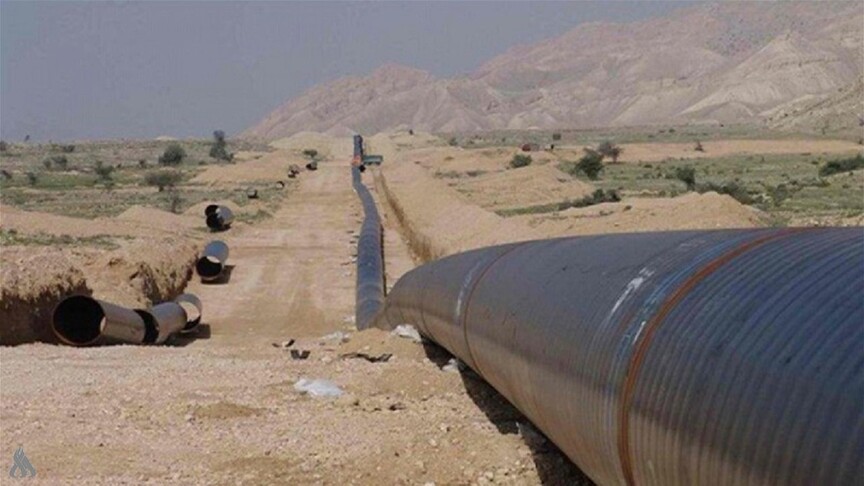
Syria is increasingly seen as a gateway for energy flows from Iraq, including plans to build pipelines for crude oil, aiming to weaken Iran's influence over the vital waterway.
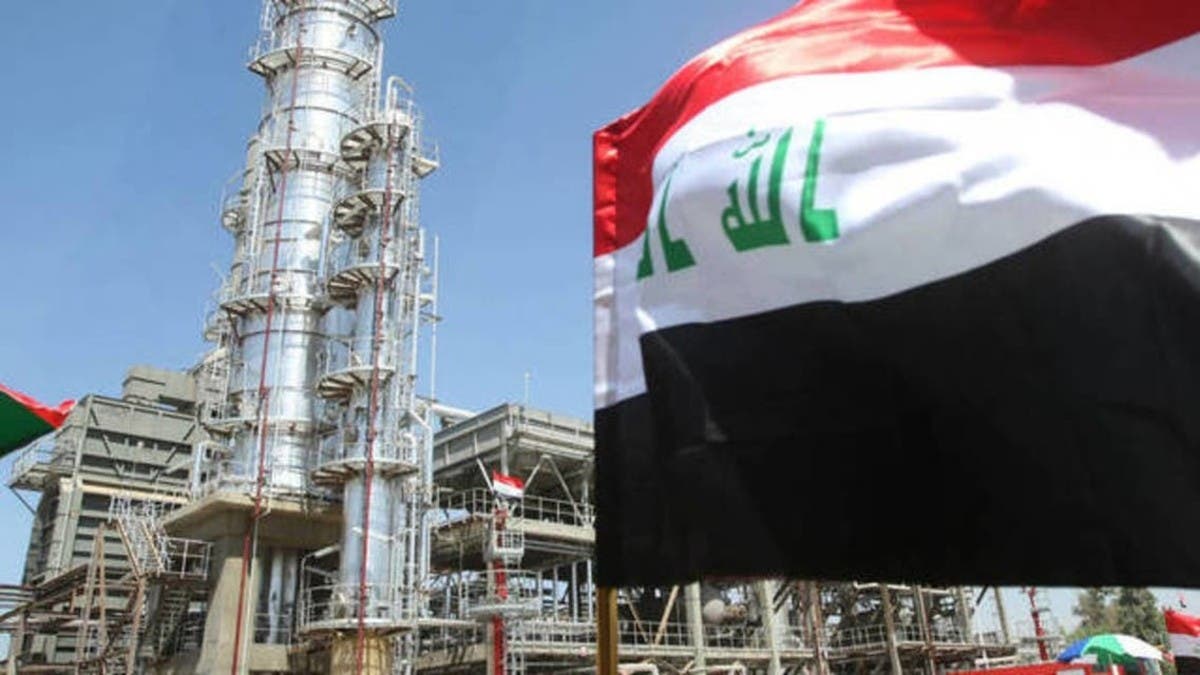
Fuel oil, used in shipping and power generation, is the main refined petroleum product that Iraq exports.
But with rising tensions in the Gulf and its limited ability to bypass Hormuz, the country must find other ways to prevent refineries from exhausting their storage capacity and being forced to shut down. That in turn would affect supplies of other fuels like gasoline and diesel.
The country is also seeking to bolster its oil revenues after the closure of Hormuz severely damaged its finances. In addition to Syria, Iraq also sends trucks loaded with fuel oil through Jordan, and traders say small amounts of crude oil, the backbone of the economy, are transported by truck in the same way.
Sat, 18 2026
These flows could become crucial for Syria, which is seeking to emerge from the aftermath of the civil war. President Donald Trump recently offered new praise for Syrian President Ahmed al-Sharaa, while French President Emmanuel Macron made a state visit recently, and Patrick Pouyanné, CEO of TotalEnergies, promoted Syria as a potential pipeline route.
Raad al-Qadri, managing partner at 3TEN32 Associates, a Washington-based political risk firm focused on the region, said: "There is a confluence of several factors at the same time, most notably Iraq's search for ways to transport products, in particular."
He added that while there were previous state-led trucking operations when fuel was transported to the Gulf, "this time there is a greater commercial character, one that serves the political ambition to improve strategic relations with the United States."
The truck fleet
It takes a huge number of trucks to equal what one ship carries. Each truck carries about 20 tons, or 135 barrels, during a journey of four to six days to ports in Syria and Jordan.
In comparison, about 300,000 barrels can be loaded onto a ship that transfers cargo to a larger tanker at sea, with a capacity of about 700,000 barrels.
Traders involved in the market estimate that truck-borne flows to Syria exceeded 600,000 tons of fuel oil last month, with the port of Baniyas on the Mediterranean receiving thousands of these vehicles.
Sat, 18 2026
Lytton SA, a Geneva-based trading house with ties to Iraq, handled the majority of the trucking operations, according to people familiar with the matter who asked not to be identified because the details are private.
At the same time, about 100,000 tons of fuel oil are trucked monthly through the Jordanian port of Aqaba on the Red Sea, with some volumes marketed by Iraq's Rania Group, according to the same people.
Iraq's oil ministry points to larger flows, estimating that fuel oil exports trucked to Syria and Jordan reached 1 million tons in June, up from about 500,000 tons in May.
Original source: Aleqtisadiah



Comments (0)
Be the first to comment.