Navigation in Strait of Hormuz Hits Lowest Levels After Renewed Clashes

Navigation traffic in the Strait of Hormuz has sharply declined to its lowest level in a month, after Iran attacked a container ship flying the Cypriot flag last Saturday, while the United States launched airstrikes on Iranian targets, triggering a new wave of reciprocal strikes, according to The New York Times.
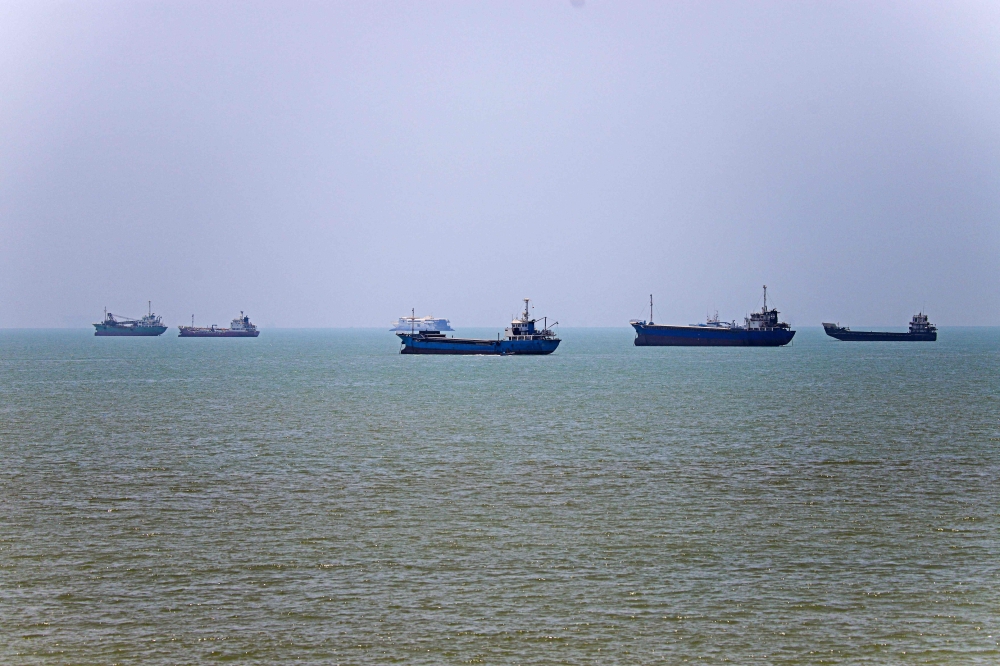
According to data from Kepler, a company specializing in maritime navigation data, only 14 ships crossed the waterway on Sunday, the lowest level in a month. Among these ships, only three tankers were leaving the Arabian Gulf loaded with crude oil, chemicals, or other goods, all of which were unlicensed or sanctioned vessels.
Before the start of Iran's war in late February, the average number of ships crossing the Strait of Hormuz daily was over 130.
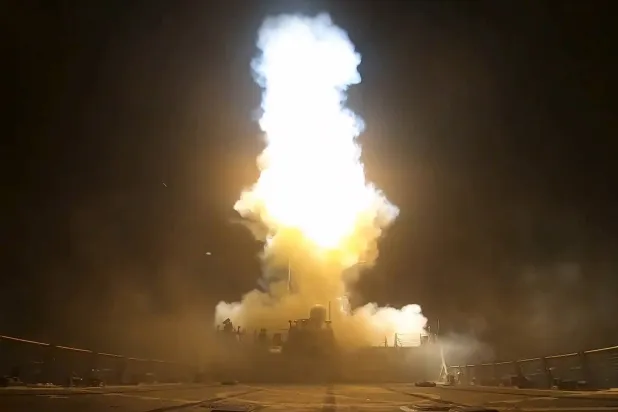
The US military announced it launched a series of airstrikes at night on military targets in Iran. The operation, which used fighter jets, warships, and drones, and for the first time naval drones, targeted Iran's capabilities to attack commercial vessels.
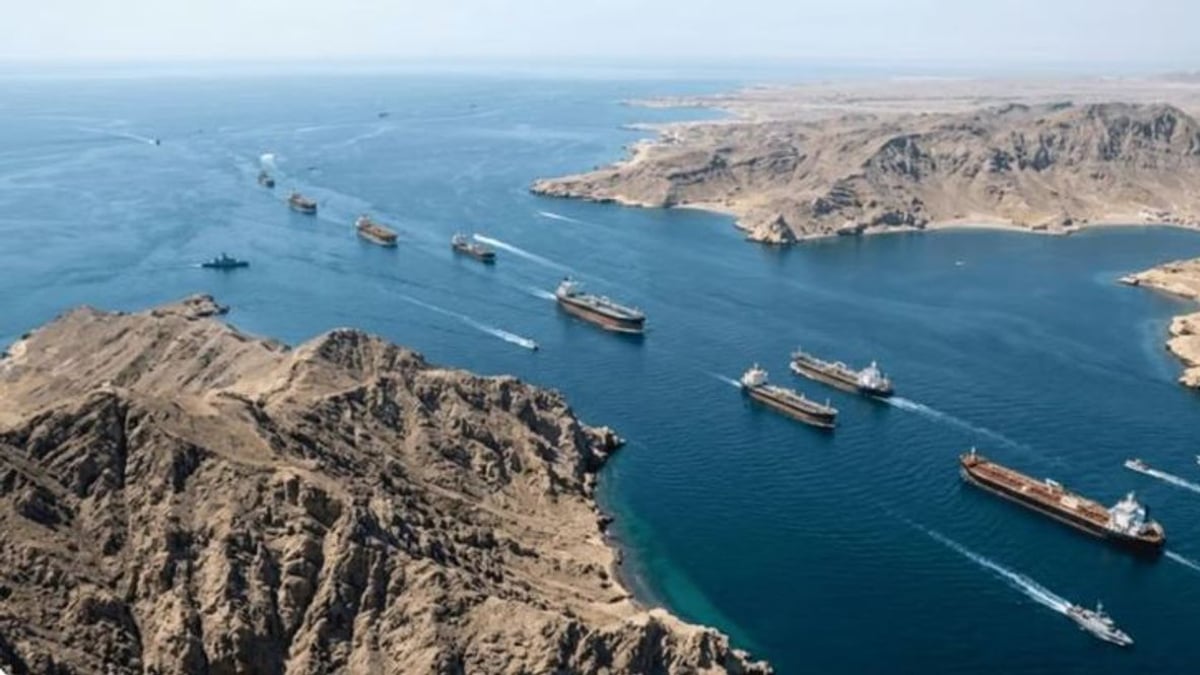
With the main navigational channel through the strait closed due to the danger of mines, ships are forced to choose between sailing through the southern Omani corridor, which is covered by the US Navy, or through a northern corridor in Iranian waters.
Decline in navigation traffic
Jakob Larsen, Chief Safety and Security Officer at BIMCO, the world's largest shipping association, said that the memorandum of understanding signed on June 17 between the United States and Iran raises issues because it downplays the importance of international agreements regulating maritime navigation, which allow freedom of passage for ships through international waterways. He added that the agreement also did not address the fundamental differences between the two countries.
Larsen added: 'At the same time, Iran still has the capability to target ships with drones and missiles throughout the strait and surrounding waters, and recent events indicate it is ready to use that capability.'
Larsen also considered that ship traffic through the strait will likely remain low 'as long as the Iranian threat persists.'
He continued: 'It is difficult to determine the time needed to reduce the Iranian threat to an acceptable level, as it depends on several factors, including the United States' ability and efforts to actually eliminate this threat, and the impact of renewed economic sanctions on Iran.'
Earlier, US President Donald Trump sent a formal notification to Congress stating the resumption of combat operations against Iran, a message that his administration believes opens a new 60-day window for the use of military force in the region without Congressional approval.
Trump said in the letter dated July 10, Monday: 'I issued directives for this military operation in line with my responsibility to protect Americans, US national security, and its foreign policy interests.'
The letter included a detailed account of the actions taken by Trump, including issuing a ceasefire order for two weeks on April 7, which was extended, and his administration's efforts to reach a diplomatic solution to the conflict.
Return of the US blockade
The US Central Command announced that its forces would begin, on Tuesday, imposing a blockade on maritime navigation entering and leaving Iranian ports, starting at 4:00 PM Eastern Time.
The Central Command said in a statement on Monday that it would impose the blockade on ships heading to or departing from Iranian ports and coastal areas, adding that the US military would continue to support navigation through territorial waters for all ships not violating the blockade.
The statement indicated that the resumption of the blockade on Iran follows its first implementation from April 13 to June 18, during which Central Command forces diverted more than 140 ships that complied with instructions, disrupted nine violating ships, and allowed passage of more than 50 commercial vessels carrying humanitarian aid.
Iranian Foreign Ministry spokesman Esmaeil Baghaei warned that Tehran will not fulfill its obligations under the memorandum of understanding with the United States 'as long as the other party does not fulfill its commitments,' according to his statement.
He considered that the memorandum of understanding 'has undoubtedly entered a crisis phase.' Adding that Iran is trying to reach a joint mechanism with Oman regarding the Strait of Hormuz, 'but US pressures hinder these efforts,' as he claimed.
Original source: Asharq News



Comments (0)
Be the first to comment.