Oil jumps more than 3.3 percent as US-Iranian escalation continues
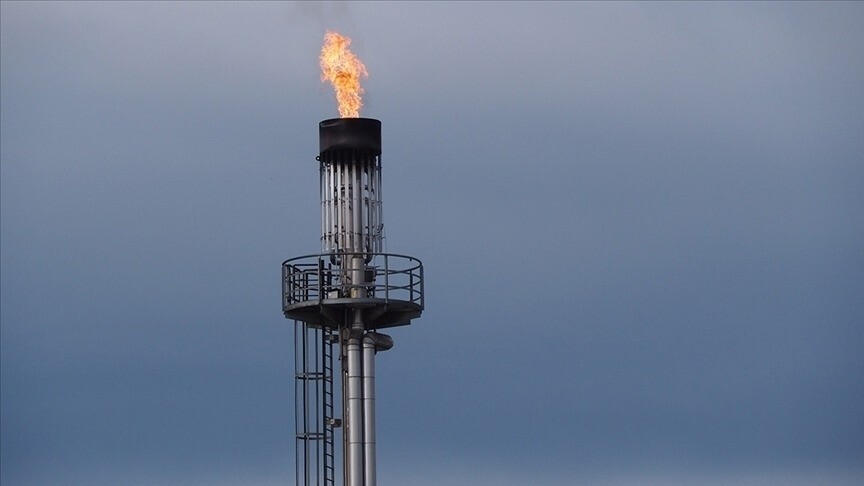
Brent crude closed at $94 per barrel, US crude at $86.8
International Economy
Oil jumps more than 3.3 percent as US-Iranian escalation continues
Brent crude futures closed at $94 per barrel, while US crude recorded $86.8.
This price jump comes amid escalating military tension between the two countries that threatens global energy supplies.
Khalid Mejdoub
July 22, 2026 • Update: July 22, 2026
RABAT
Istanbul / Anadolu
Oil prices jumped more than 3.3 percent at Wednesday's settlement, as the escalation between the United States and Iran continues, and fears grow of widening energy supply disruptions across the Strait of Hormuz and the Red Sea.
At settlement, futures for global benchmark Brent crude rose by $3, or about 3.3 percent, to close at $94 per barrel.
Futures for US West Texas Intermediate crude also rose by $2.4, or about 2.9 percent, to $86.8 per barrel.
Washington and Tehran have been exchanging strikes for about two weeks, with the US launching attacks on Iran, and Tehran targeting military bases and facilities it says are linked to America in regional countries.
This escalation comes despite Washington and Tehran signing a memorandum of understanding last June to cease fire that began on February 28, and to work on negotiations for a broader agreement.
But US President Donald Trump announced on July 8 the end of the truce after attacks on tankers in the Strait of Hormuz attributed to Iran, prompting Washington to resume bombing targets inside Iranian territory.
Washington demands that Tehran stop targeting ships and 'guarantee freedom of navigation through the Strait of Hormuz,' while Iran insists on subjecting ship transit to a mechanism regulated through the waterway overlooking its coasts, exacerbating fears of disruption to oil and gas exports from the region.
Washington secures the passage of commercial ships through the Strait of Hormuz along a route different from that set by Iran, which Tehran rejects, affirming that it will target any ship that does not coordinate with it before crossing the strategic waterway for global energy supplies.
The Strait of Hormuz remains a major flashpoint, as about a third of global oil production passes through it. Markets fear the clashes turning into a full-scale war that disrupts supplies. If the escalation continues, prices could rise to record levels. The failure of international mediation also complicates prospects for a diplomatic solution.
Original source: Anadolu Agency





Comments (0)
Be the first to comment.