Oil prices creep toward $90 per barrel
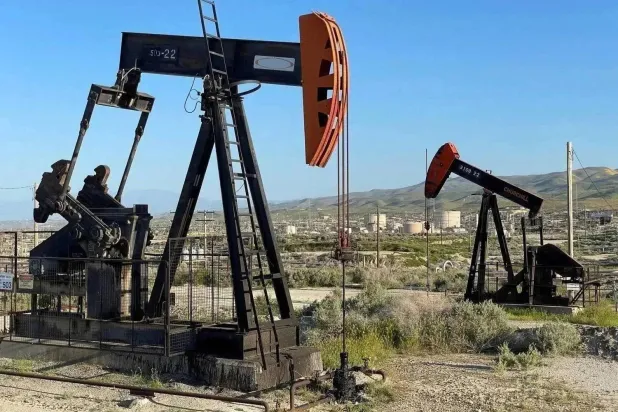
Brent crude, the global benchmark, approached $90 per barrel after oil prices jumped about 14.5% over Monday and Tuesday sessions...
Brent crude, the global benchmark, approached $90 per barrel after oil prices surged about 14.5% over Monday and Tuesday sessions, following US President Donald Trump's reimposition of a naval blockade on Iran and renewed attacks between Washington and Tehran.
Oil prices rose during Tuesday's session to their highest level in four weeks, as concerns grew over energy flows through the Strait of Hormuz.
Brent crude futures rose 4.5% to $87.01 per barrel at 11:45 GMT, while US West Texas Intermediate crude rose 3.4% to $80.76 per barrel.
Soni Kumari, an analyst at ANZ Bank, told Reuters: 'Despite signing the Memorandum of Understanding and reaching an agreement, it didn't even last a few weeks. That is the concern the market is trying to digest currently.'
She added: 'We believe the peak of escalation is over, but there are upside risks for oil prices if these disruptions continue, which will keep prices in a range between $85 and $90.'
Tensions between the United States and Iran escalated this week, as US President Donald Trump reimposed a blockade on Iranian shipping and proposed a 20% levy to protect the Strait of Hormuz.
This waterway is a vital artery for global energy trade, carrying about a fifth of the world's daily oil and liquefied natural gas supplies before the conflict erupted.
Shipping data on Monday showed the number of oil tankers crossing the Strait of Hormuz fell to its lowest level in two months.
Citibank noted in a memo an increased likelihood of the Iranian regime withdrawing from the Memorandum of Understanding until after the US midterm elections, a scenario likely to push oil prices higher in the long term.
However, Iranian Oil Minister Mohsen Paknejad confirmed via his official Telegram account that Iranian oil exports continue as usual despite the US cancellation last week of a 60-day waiver from oil sanctions.
Original source: Asharq Al-Awsat


Comments (0)
Be the first to comment.