Oil prices decline globally due to profit-taking |...
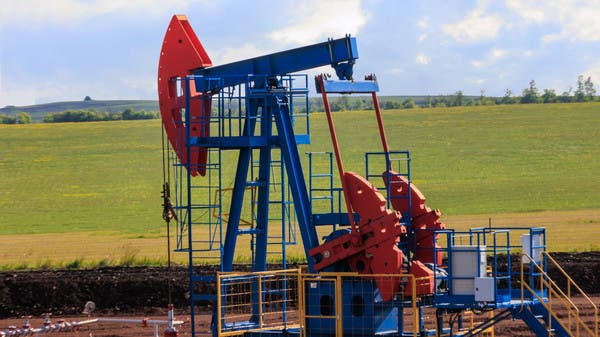
Oil prices fell in US trading on Thursday, but they remain above their levels at the start of the week, as traders turned to selling to take profits following the significant gains crude posted over the past days.
Bloomberg News reported that benchmark Brent crude for global oil traded around $84 a barrel, while benchmark West Texas Intermediate crude for US oil traded around $79 a barrel. Despite the decline, both crudes remain 11% higher compared to the end of last week's trading.
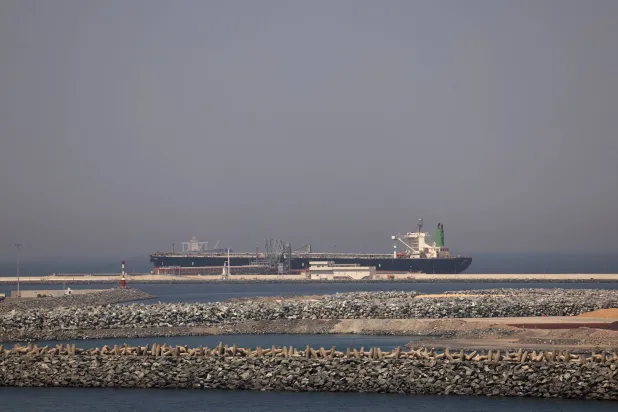
On the US-Iran confrontation front, the United States intensified its strikes against Iran overnight, as US forces targeted an oil tanker near Iran's main export port on the Gulf, while shipping traffic through the Strait of Hormuz in the Gulf, through which about a fifth of global energy supplies pass, continued to decline, indicating that Washington is expanding the scope of the naval operation.
Meanwhile, news reports said that Tehran informed its loyalist Houthi group in Yemen to close the Bab el-Mandeb Strait in the Red Sea if Iran's energy infrastructure is attacked, following US President Donald Trump's threat to target infrastructure facilities and bridges in Iran if no agreement is reached between the two countries.
For her part, Rebecca Babin, senior energy trader at CIBC Private Wealth Management, said: 'In the absence of a real escalation, traders are reluctant to raise prices significantly. The physical market still does not indicate a severe supply shortage.'
While ship traffic through the Strait of Hormuz has decreased, some voyages appear to continue, as a limited number of oil tankers are conducting ship-to-ship oil transfers off the coast of Oman. At the same time, the United States has provided assistance to ten ships through the Strait of Hormuz in the past 48 hours, according to the Combined Maritime Information Center.
By around 2:00 p.m. New York time, West Texas Intermediate crude fell 1.1% to $78.66 a barrel for August delivery, while Brent crude fell 1% to $84.08 a barrel for September delivery.
Original source: Al-Mowaten





Comments (0)
Be the first to comment.