Oil Prices Steady as U.S.-Iran Tensions Escalate

Oil prices steadied on Thursday as markets assessed the fallout from new U.S. military strikes on Iran, which could hinder efforts to end the war between the two countries and delay the full resumption of navigation through the Strait of Hormuz, one of the world's most important energy chokepoints.
Brent crude futures rose 6 cents, or 0.1%, to $78.08 a barrel by 07:10 GMT, while U.S. West Texas Intermediate crude futures gained 13 cents, or 0.2%, to $73.65 a barrel.
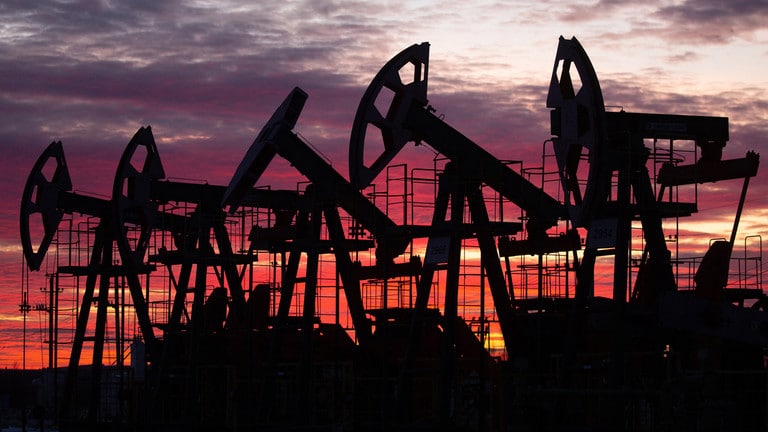
Oil Prices
Both benchmark crudes had gained more than $1 in post-settlement trading on Wednesday, after the U.S. military began a new wave of strikes against targets inside Iran.
Related News
This came after both benchmarks ended Wednesday's session at their highest in over two weeks, following U.S. President Donald Trump's threat to launch new attacks on Iran. Before the latest escalation, oil prices had been trending lower as markets absorbed the return of Middle Eastern oil supplies after a temporary truce, along with signs of rising oil inventories. Linh Tran, market analyst at XS platform, said that WTI crude is likely to continue sharp fluctuations in the near term, noting that continued or escalating tensions between the U.S. and Iran could push prices up to $80 a barrel, according to Reuters. She added that a reduction in geopolitical risks in the Middle East would refocus markets on fundamentals, primarily rising U.S. inventories, increased domestic production, and plans by major producers to boost supplies. Data from the U.S. Energy Information Administration showed that U.S. crude oil inventories rose last week for the first time since mid-April, amid a decline in exports.
In the latest developments, the U.S. military announced it had completed strikes targeting sites inside Iran to ensure the continued flow of navigation through the Strait of Hormuz, hours after the U.S. president declared the end of the temporary agreement aimed at ending the war.
U.S. Central Command said the strikes targeted about 90 military targets inside Iran, including air defense systems, coastal surveillance facilities, missile and drone warehouses, naval capabilities, and military logistics infrastructure along the Iranian coast.
In response, Iran said on Wednesday it had targeted U.S. military sites in Bahrain and Kuwait, retaliating for previous U.S. strikes that hit facilities and infrastructure inside its territory.
About a fifth of the world's oil and liquefied natural gas supplies pass through the Strait of Hormuz, which has been one of Tehran's key leverage points since the war broke out following U.S. and Israeli airstrikes on Iran on February 28.
Suvro Sarkar, head of energy research at DBS Bank, said geopolitical risks remain high despite the temporary agreement between Washington and Tehran, expecting uncertainty to continue supporting oil prices in the near term.
He added that Iran has strong incentives to prolong negotiations, meaning the geopolitical risk premium added to oil prices could persist for months, keeping prices volatile, though they are likely to decline gradually over the medium term.
Original source: Al-Yaum



Comments (0)
Be the first to comment.